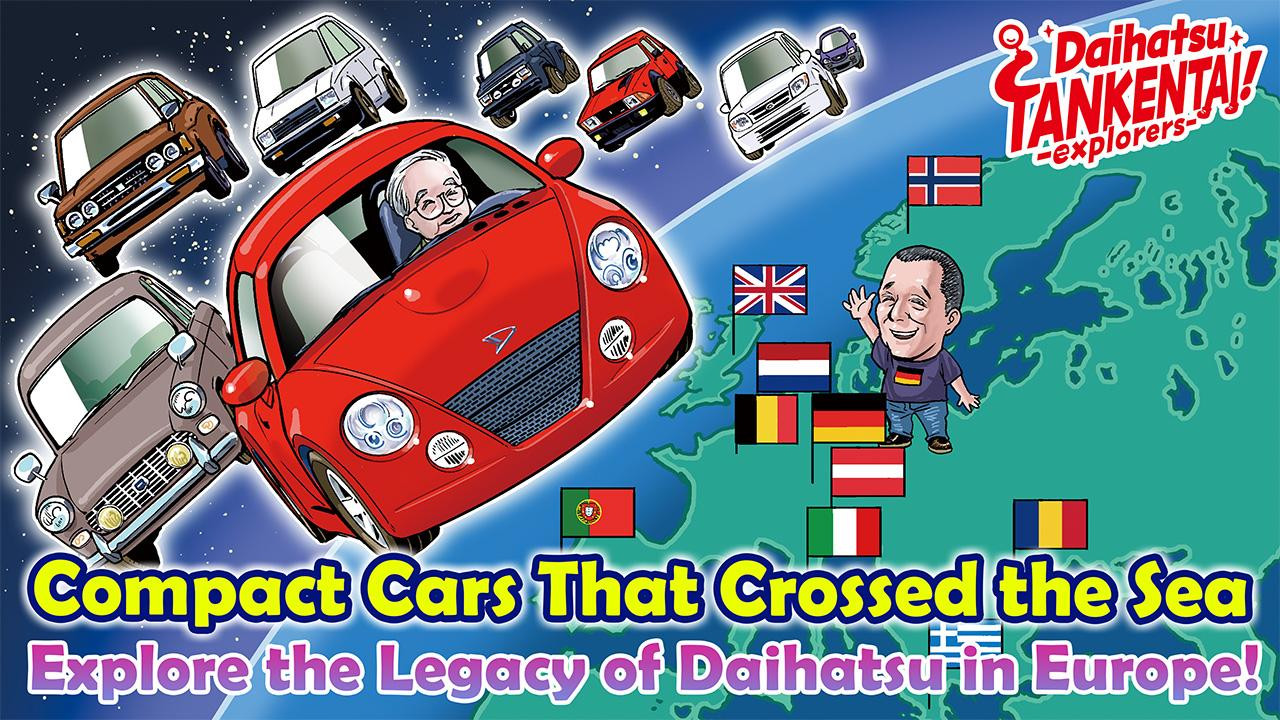
For this fourth article, we are exploring Europe!
Did you know that Daihatsu used to sell cars in Europe?
This exploration was prompted by an interview with Shibaike-san, a former general manager of overseas operations.
Although it is not widely known today, Daihatsu cars were sold in various European countries, including the UK and Germany, and were much loved by many customers.
In a market crowded with major vehicle manufacturers, what challenges did Daihatsu take on over the years?
Through this exploration, we have gained insight into Daihatsu's history--which is little known in Japan nowadays--and the cars that continue to be loved by locals.
So, let's begin our exploration!
Chapter 1: Compact Cars That Crossed the Sea
Daihatsu cars once blended seamlessly into the streetscapes of Europe. There was the Cuore, cruising along cobbled streets; the Terios, tackling snow-covered roads; the Charade, battling it out in rallies; and the Copen, speeding along winding roads. What mark did they leave in those lands so far from Japan?
In this article, we would like to explore that journey with all of you—from the first steps taken in the 1960s right through to the end of its sales in 2013.
Paving the Way
|
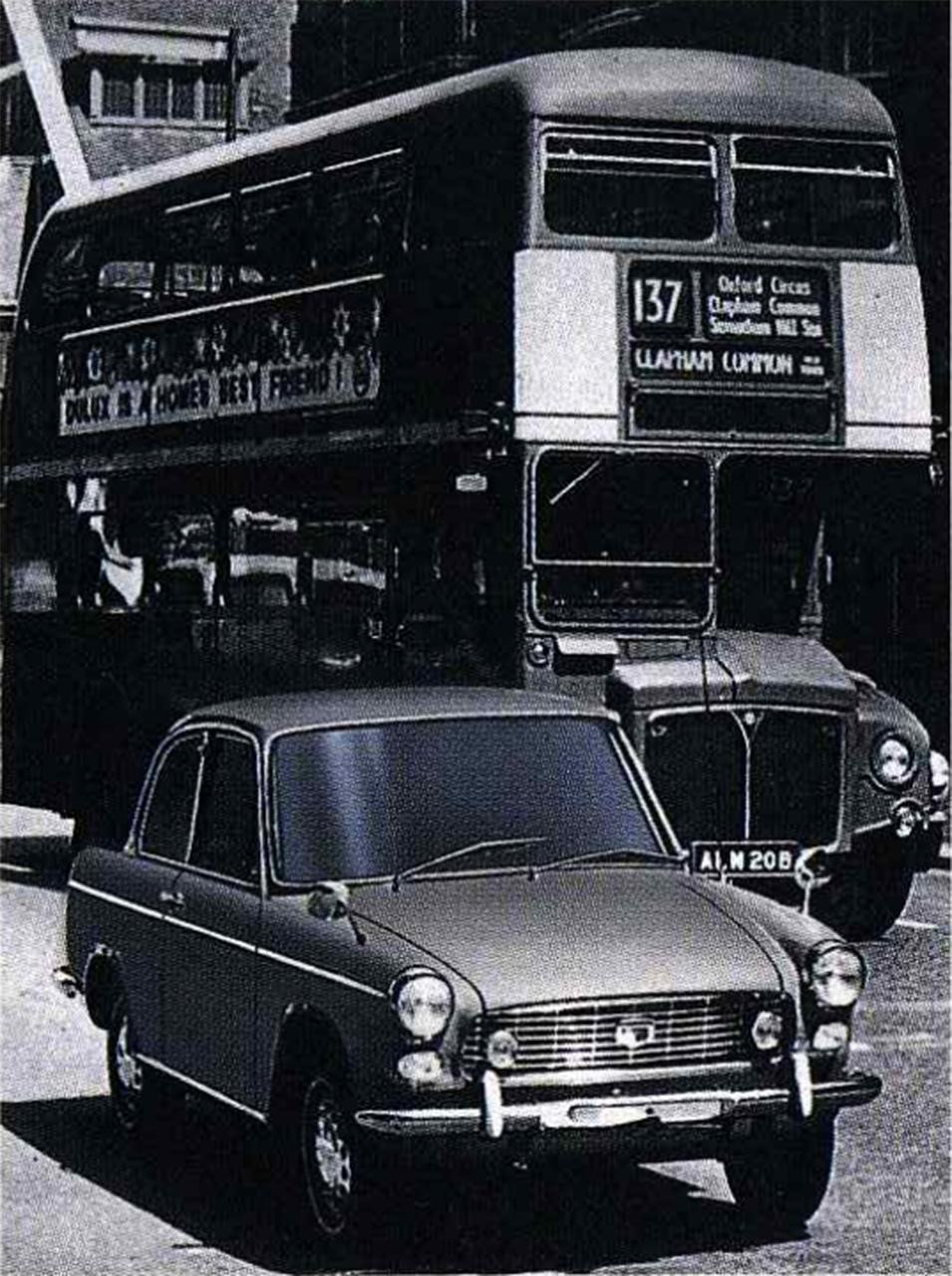
The story dates back to 1965, when Daihatsu launched the Compagno Berlina model in the UK. It was the first Japanese car to enter the British market. This venture would eventually lead to a long journey into the European market. |
Compagno Berlina |
With Time On its Side, Charade Took Center Stage
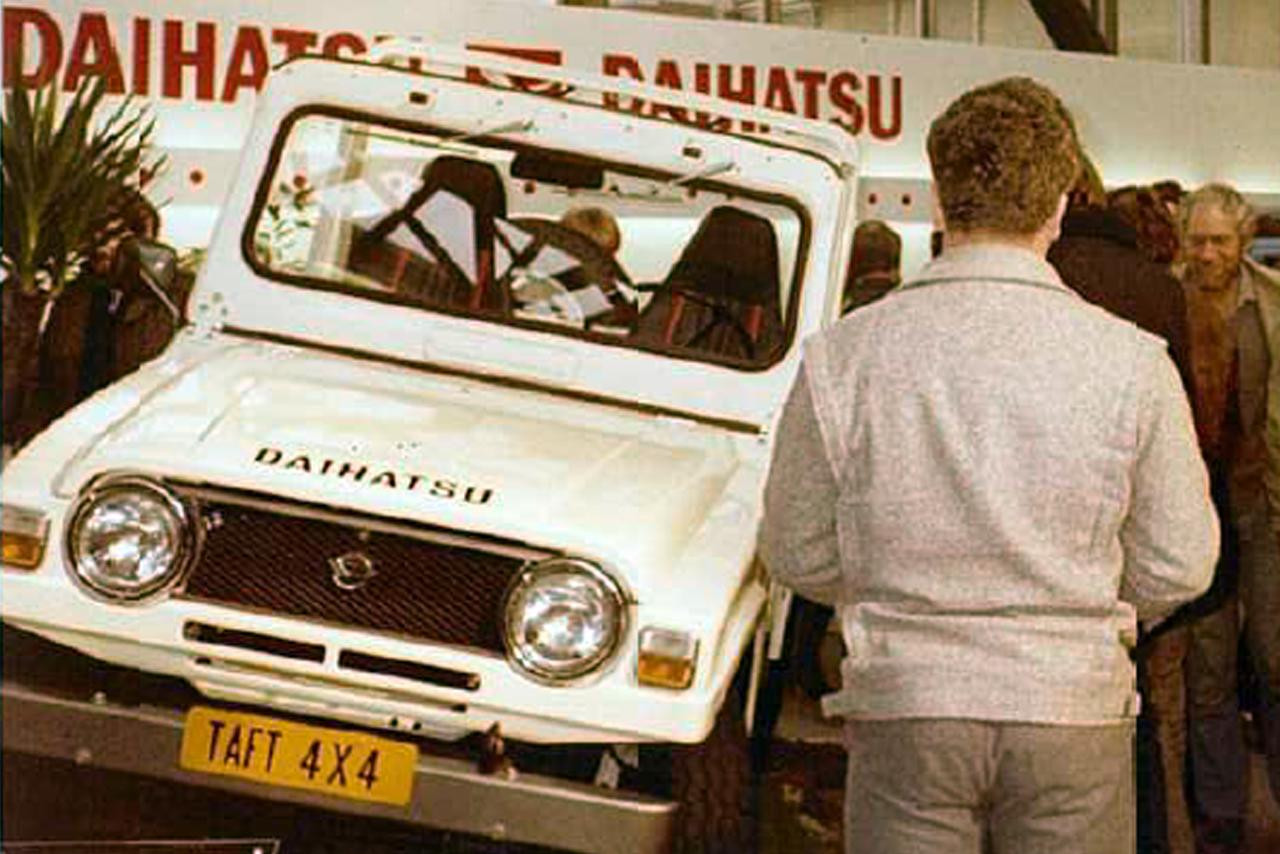
As the 1970s began, Daihatsu strengthened its export operations and embarked on a full-fledged push into the European market. It began exporting the Taft, a compact four-wheel drive, and the Charmant, a mass-market passenger car, thus expanding its sales channels.
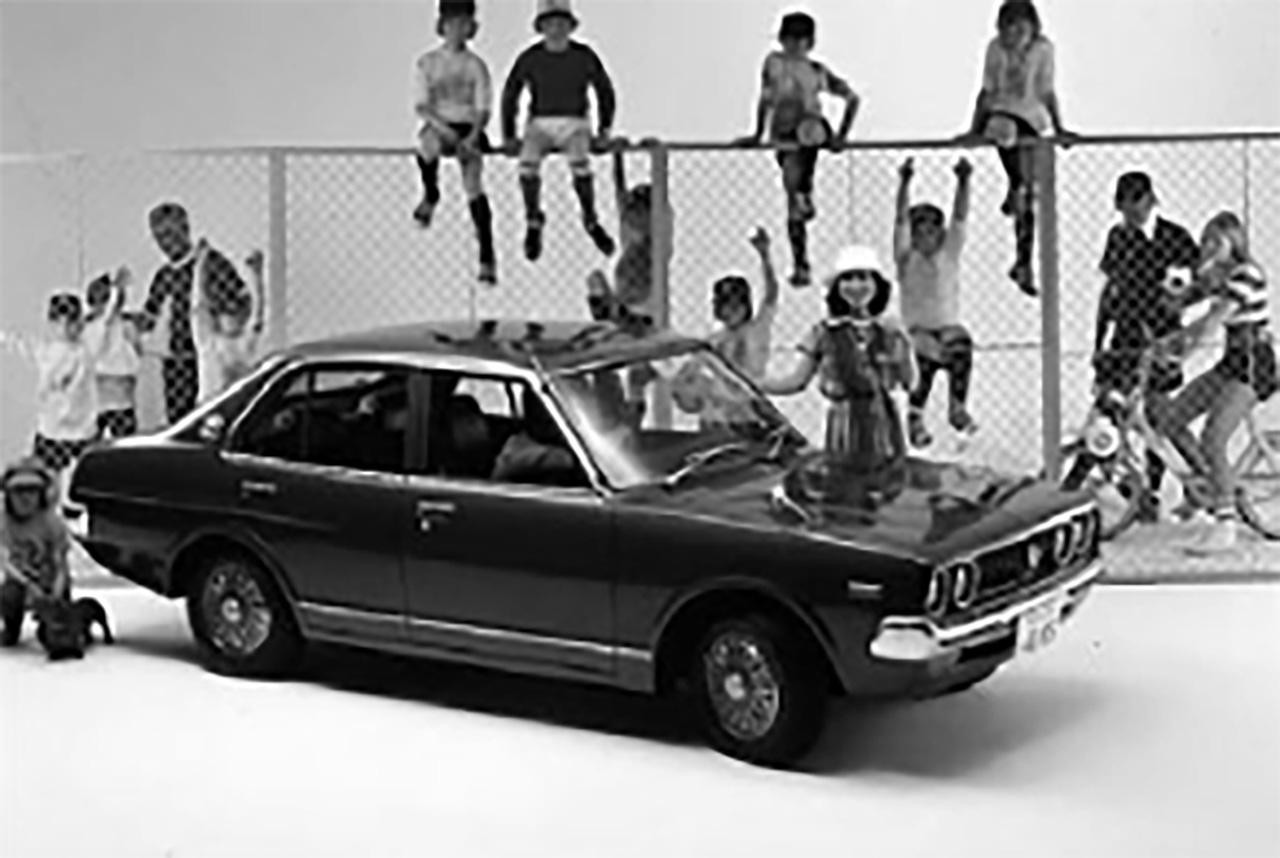
In 1978, the first-generation Charade was launched on the European market: it was lightweight, fuel-efficient, and highly practical. At that time, Europe had just weathered two oil crises, and interest in fuel economy was on the rise. Riding this tailwind of the times, the Charade proved a great success. However, the Charade had far more to offer than fuel efficiency alone. The Charade also proved its toughness in international rallies, which Daihatsu entered to support its local distributors. At the 1981 Monte Carlo Rally, it claimed victory in its class, showing Europeans that Daihatsu built tough compact cars that performed well.
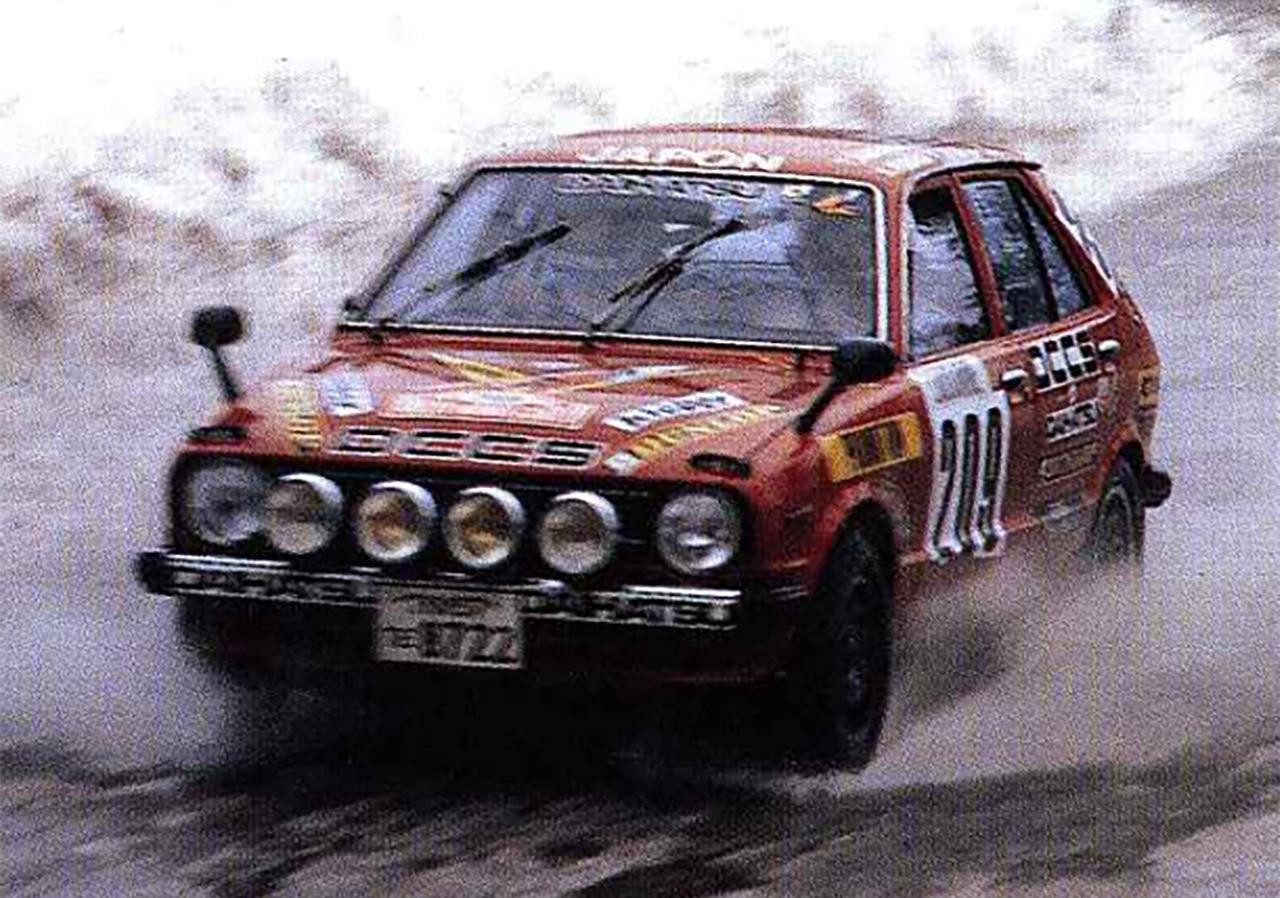
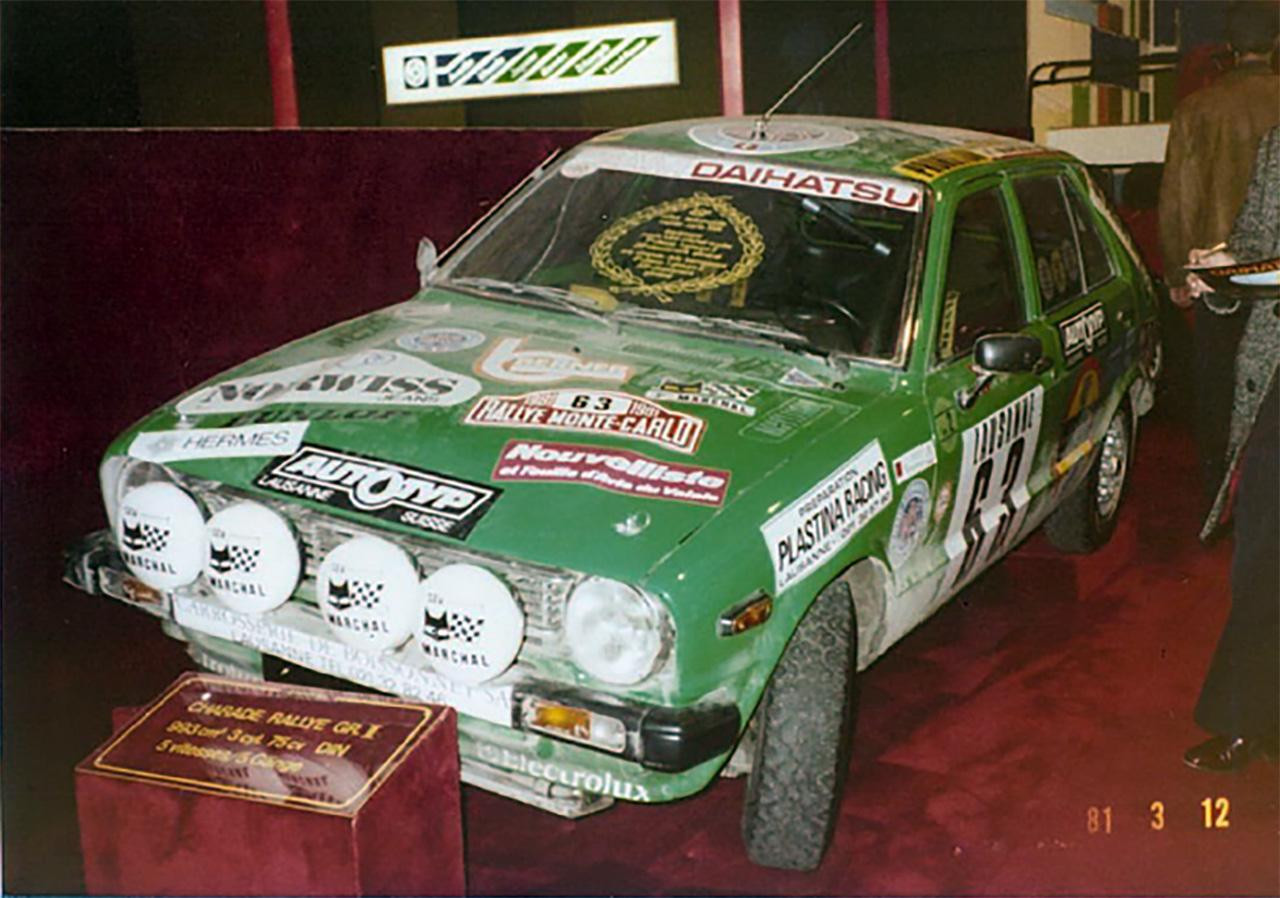
[Major Results in International Rallies (Europe)]
| Year | Event | Model | Best Result |
| 1978 | WRC*Acropolis Rally | Charmant | 6th in class, 24th overall |
| 1979 | WRC Monte Carlo Rally | Charade | 8th in class, 86th overall |
| 1980 | WRC Monte Carlo Rally | Charade | 2nd in class, 38th overall |
| 1981 | WRC Monte Carlo Rally | Charade | Class winner, 28th overall |
※WRC:FIA World Rally Championship
Laying the Groundwork for Business in Europe
As export volumes increased, operations became increasingly busy as market demand grew. In 1979, the Factory Representative Office (FRO) was established in Brussels, Belgium, to gather information and handle certification procedures. In the same year, the Kobe Center, a distribution base for vehicles to be exported, was completed. Furthermore, between 1982 and 1989, Daihatsu established bases in which it held an equity stake in the Netherlands, Austria, and Germany, thus developing its sales network.
|
Loading vehicles onto Ships at the Kobe Center |
Distributor (The Netherlands) |
Distributor (Switzerland) |
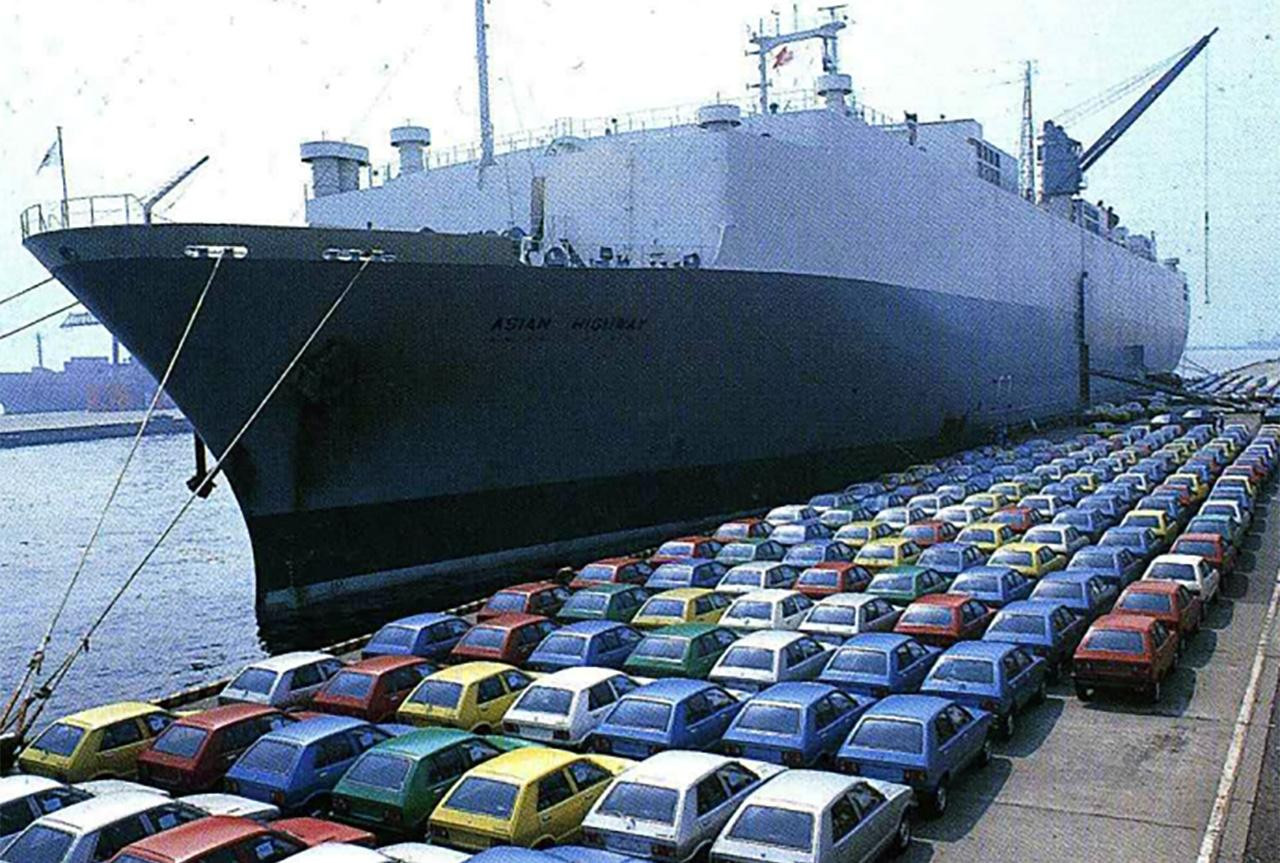
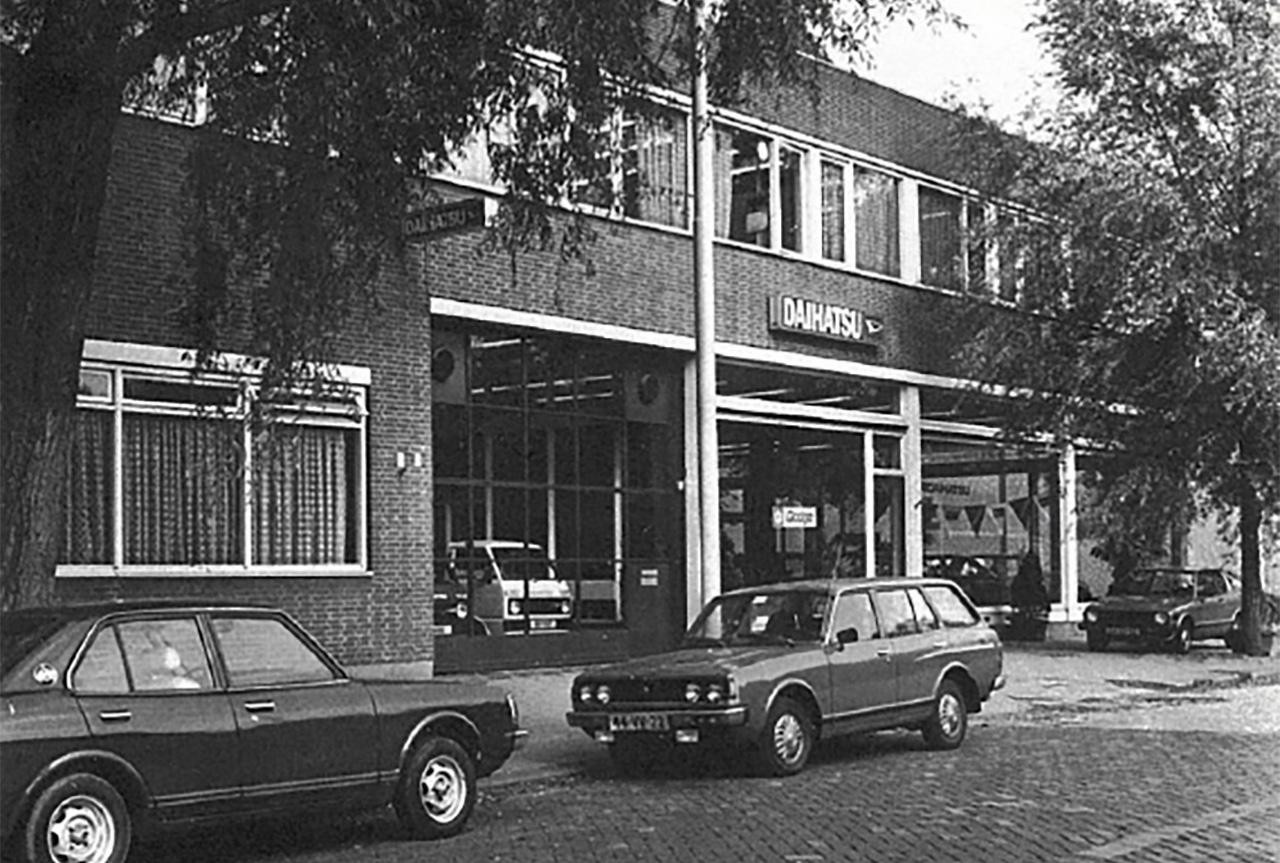
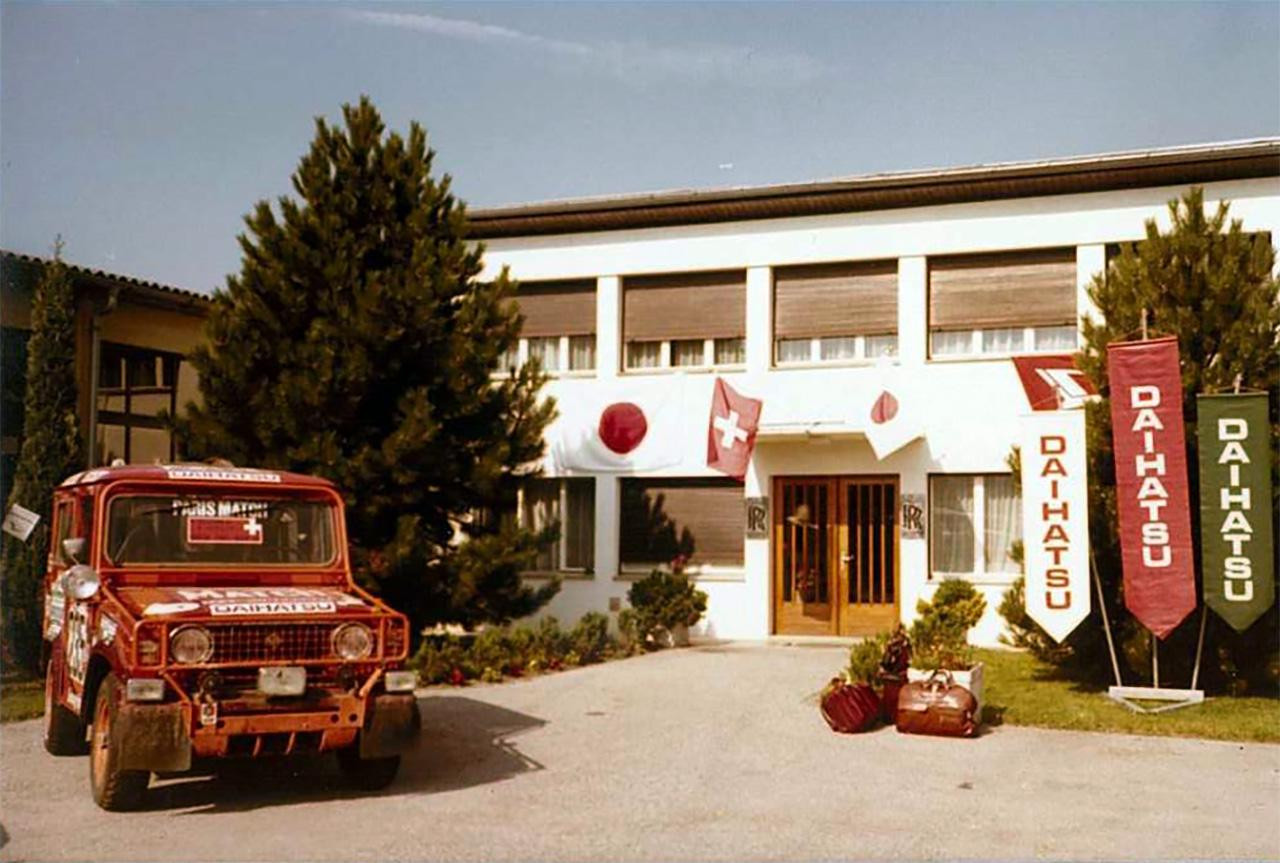
*The Taft on the left is the car that competed in the 1981 Dakar Rally.
Even if the Spotlight Shifts, Compact Cars are at the Heart of Daihatsu
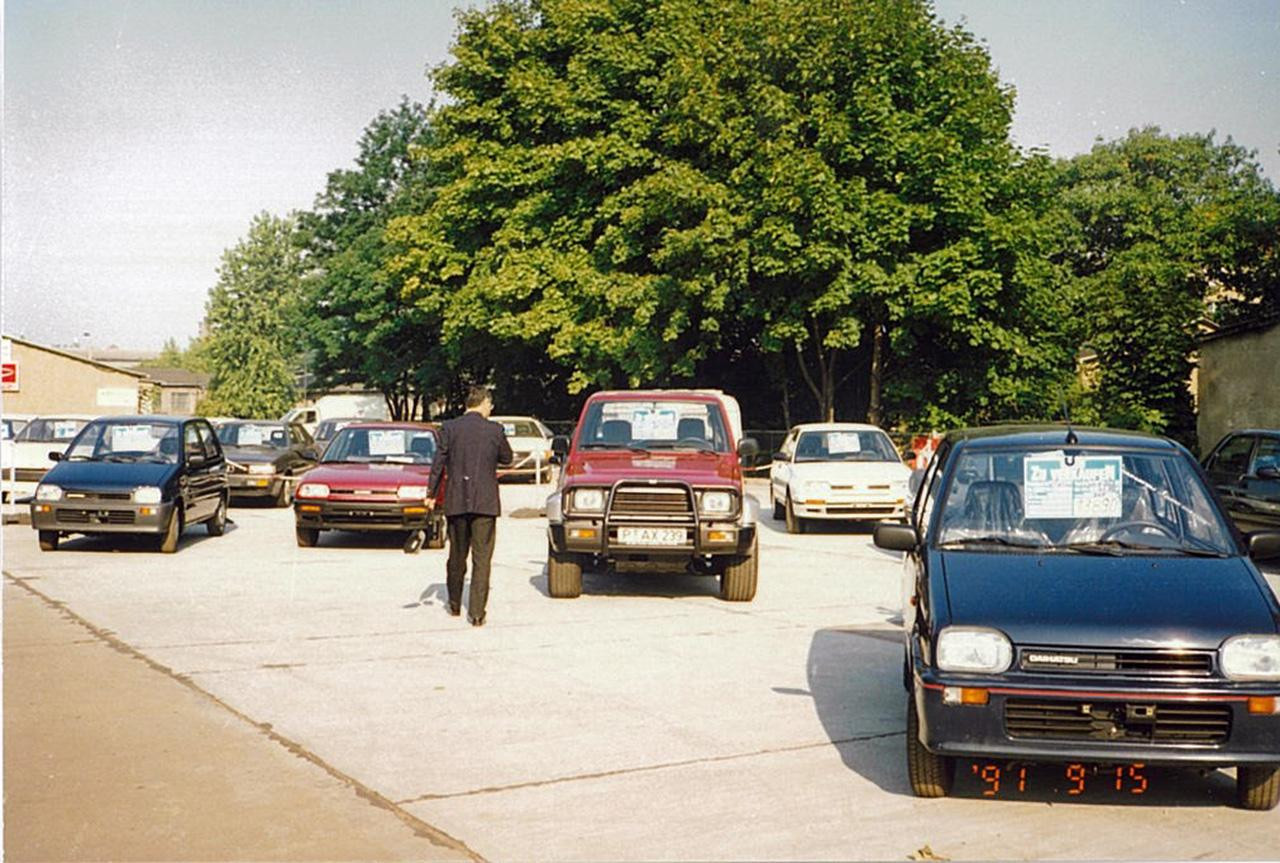
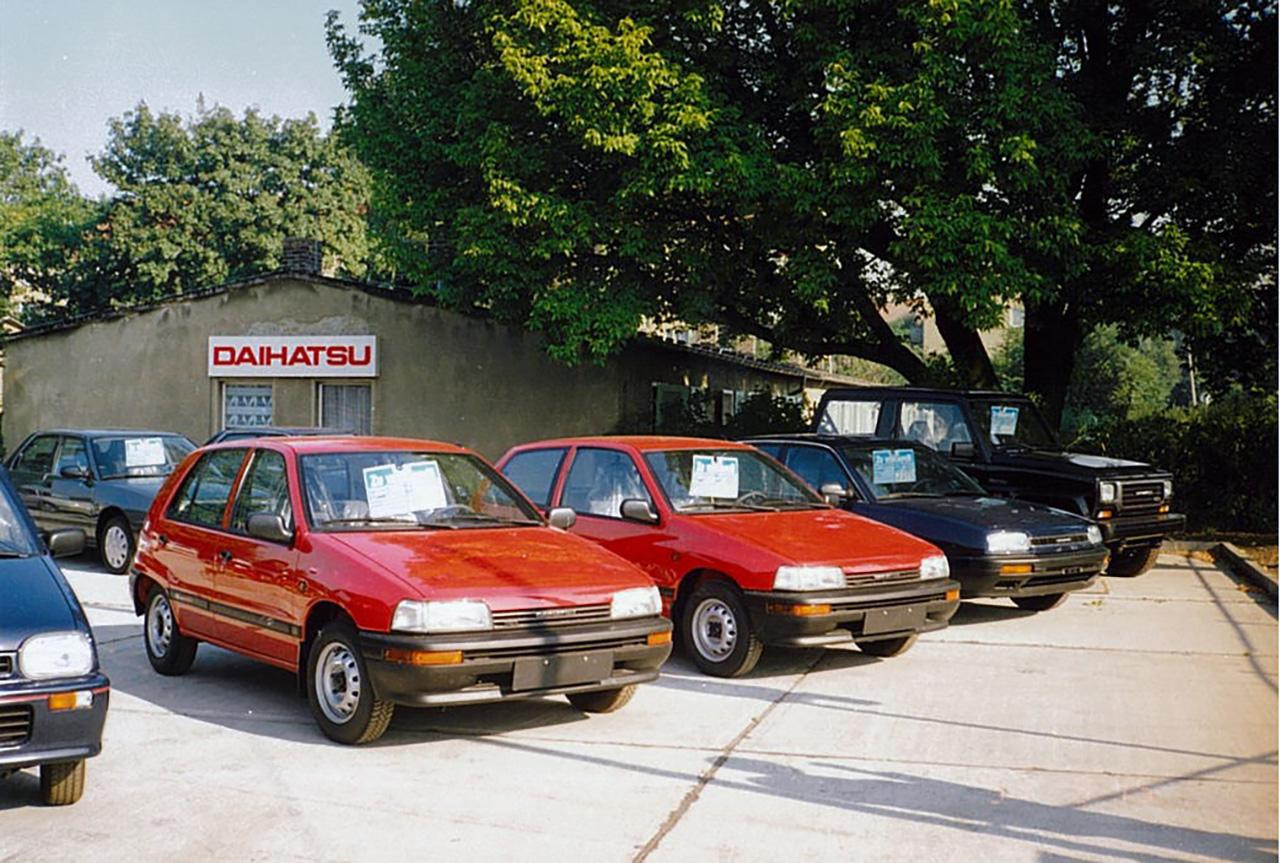
In the early 1990s, the best-selling models were the Cuore, Charade, Applause, Feroza, and Rocky.
As the times changed, the line-up gradually evolved. The Charade, which had long been the best-selling of Daihatsu’s compact car range, was succeeded by Sirion, while the SUV lineage established by the Taft, Feroza, and Rocky continued with the Terios.
|
Sirion (Japanese name: Storia) |
Terios |
Copen |
Trevis (Japanese name: Mira Gino) |
Materia (Japanese name: COO) |
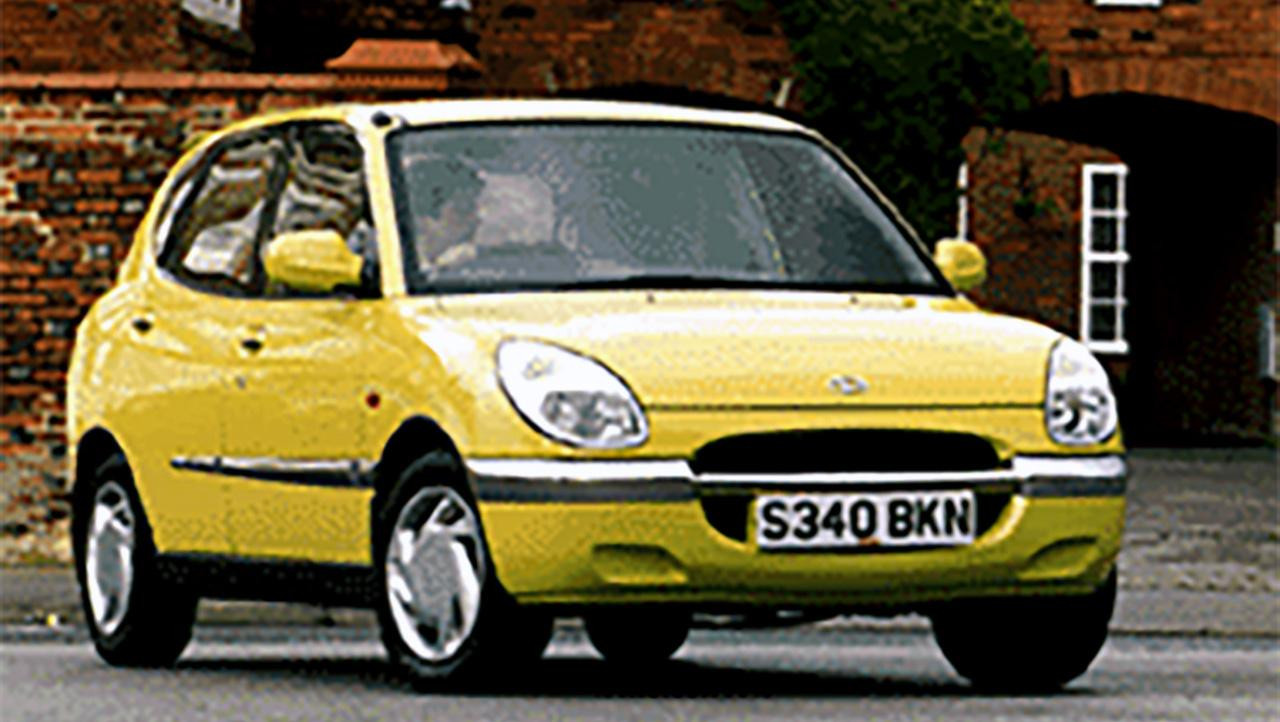
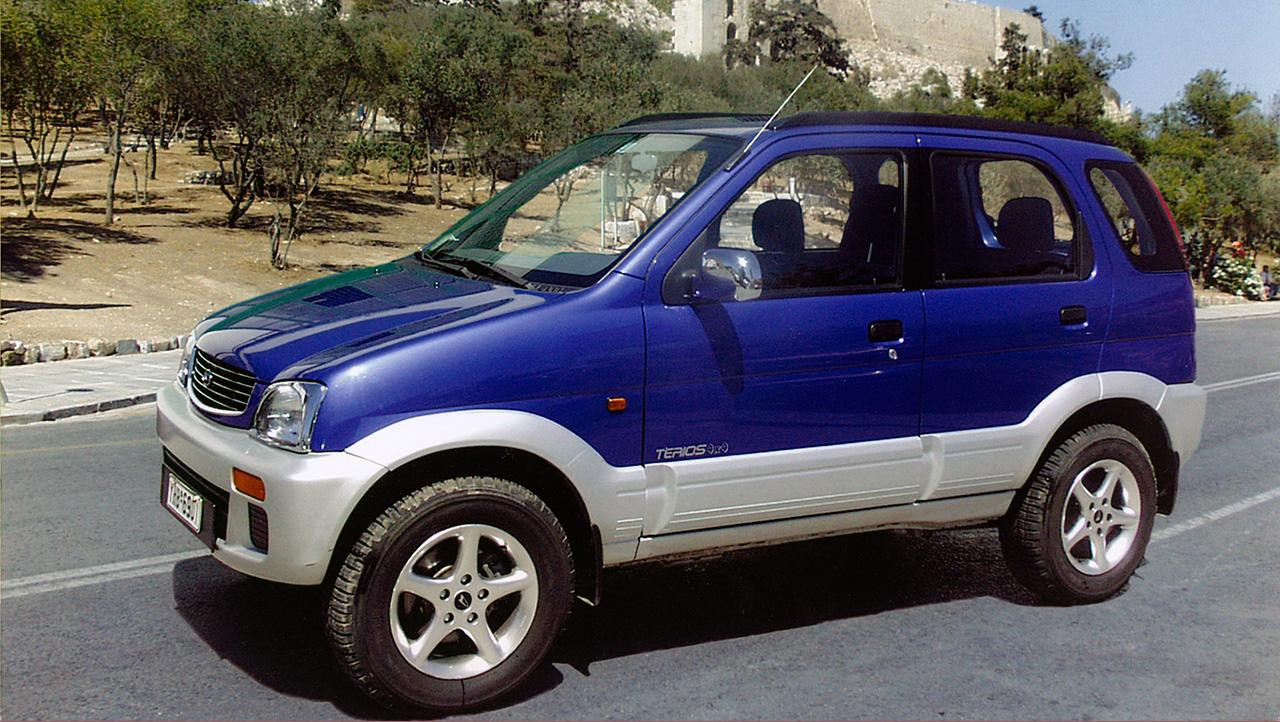
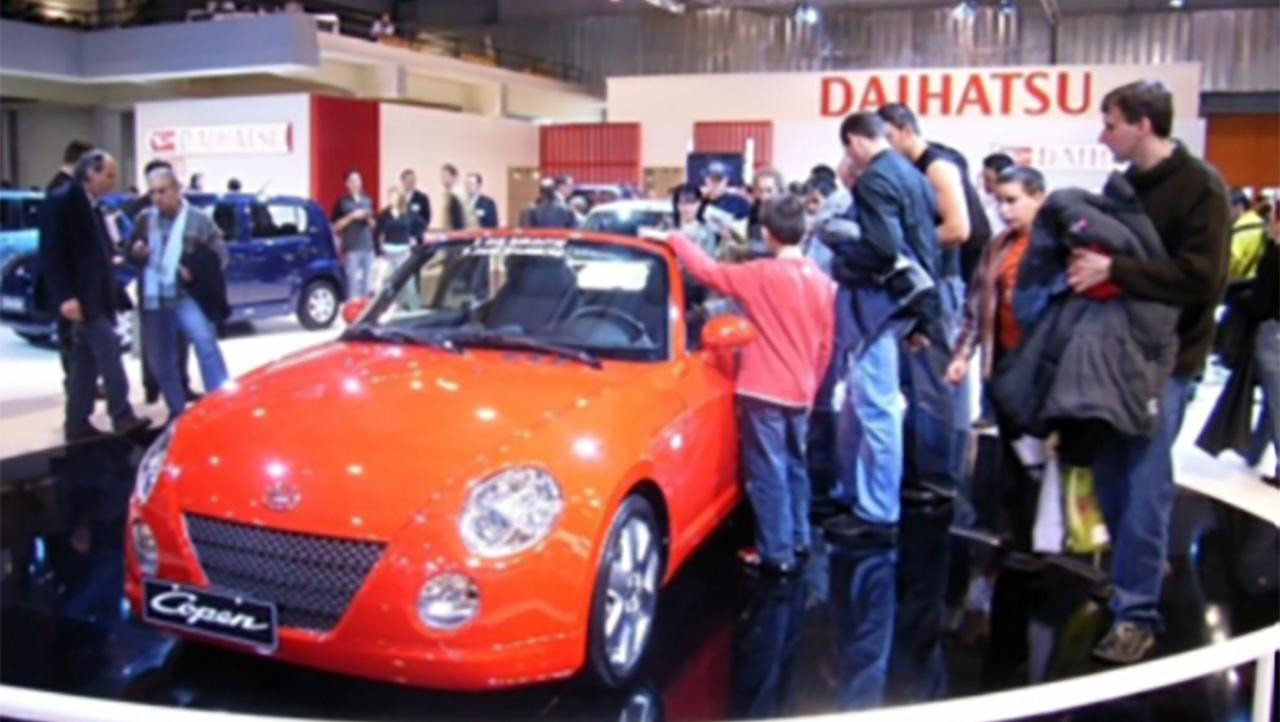
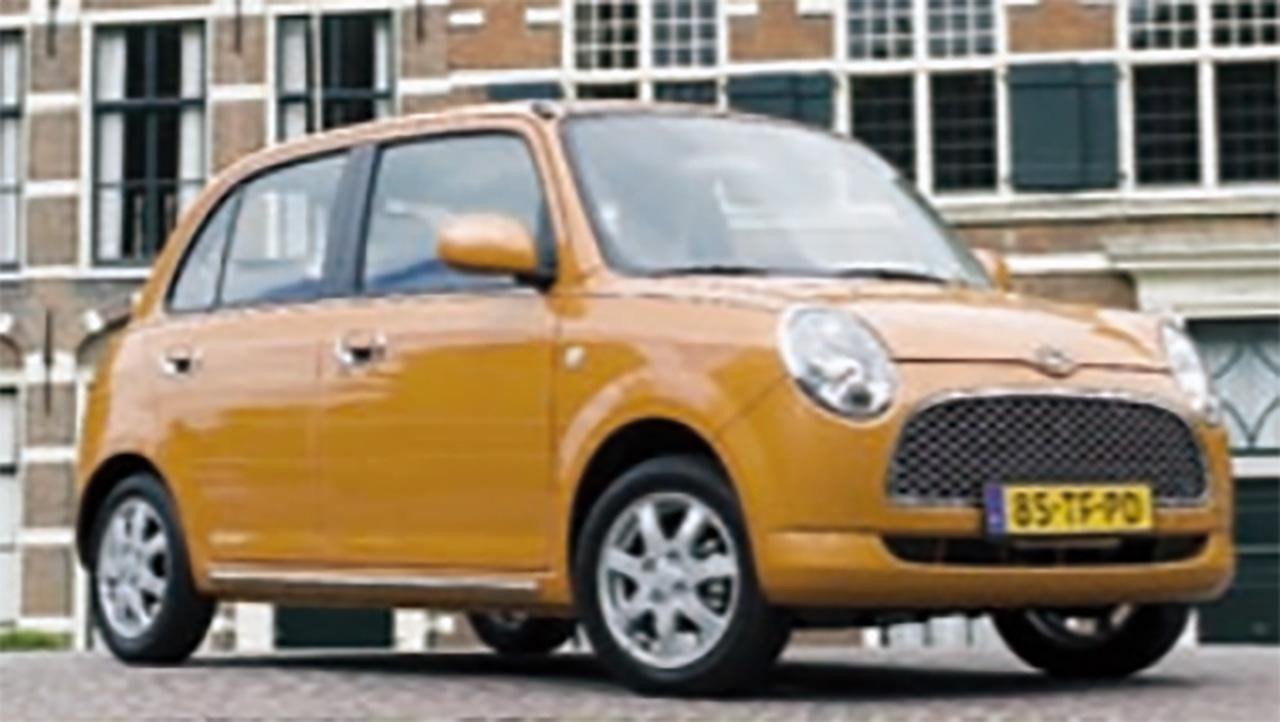
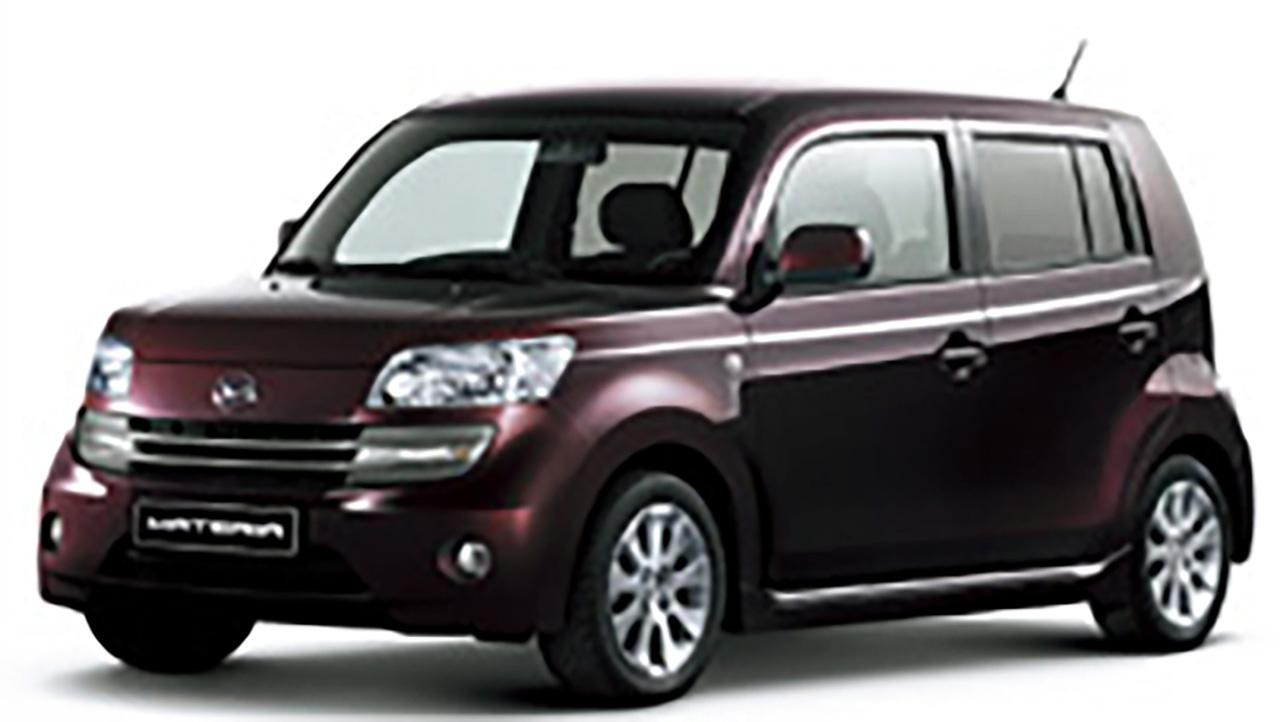
In addition, as the 2000s began, the YRV, Extol, Copen, Trevis, and Materia also made their way overseas.
Then, in 2007, the number of vehicles exported to Europe reached 65,000, marking a high point in this long journey.
A New Direction
However, the company’s venture in Europe, which lasted nearly half a century, was about to reach a turning point.
In January 2011, Daihatsu announced a plan to restructure its overseas operations, shifting its management resources from “exporting CBU (Completely Built Up) vehicles to Europe” to “local development and local production in ASEAN”.
Daihatsu had concluded that the CBU business scheme was no longer commercially viable due to increased costs resulting from stricter CO2 emissions regulations in Europe, as well as deteriorating profitability caused by the weak euro and strong yen.
It is no easy task to reflect these increased costs in the prices of compact, cost-sensitive cars. The very strengths that came from producing compact cars had turned into the very challenges associated with them.
Consequently, new car sales in Europe came to an end in January 2013. This brought a chapter spanning nearly half a century to a close.
However, the experience gained in Europe was carried forward into the company’s subsequent overseas operations.
Chapter 2: The Heart is Daihatsu
Incidentally, Daihatsu’s legacy in Europe extends beyond the brand’s compact cars. If you lift the bonnet, you will find that Daihatsu’s technology also breathes life into some rather unexpected cars. Let’s now take a look at some of these rare “cousins”.
SADO550
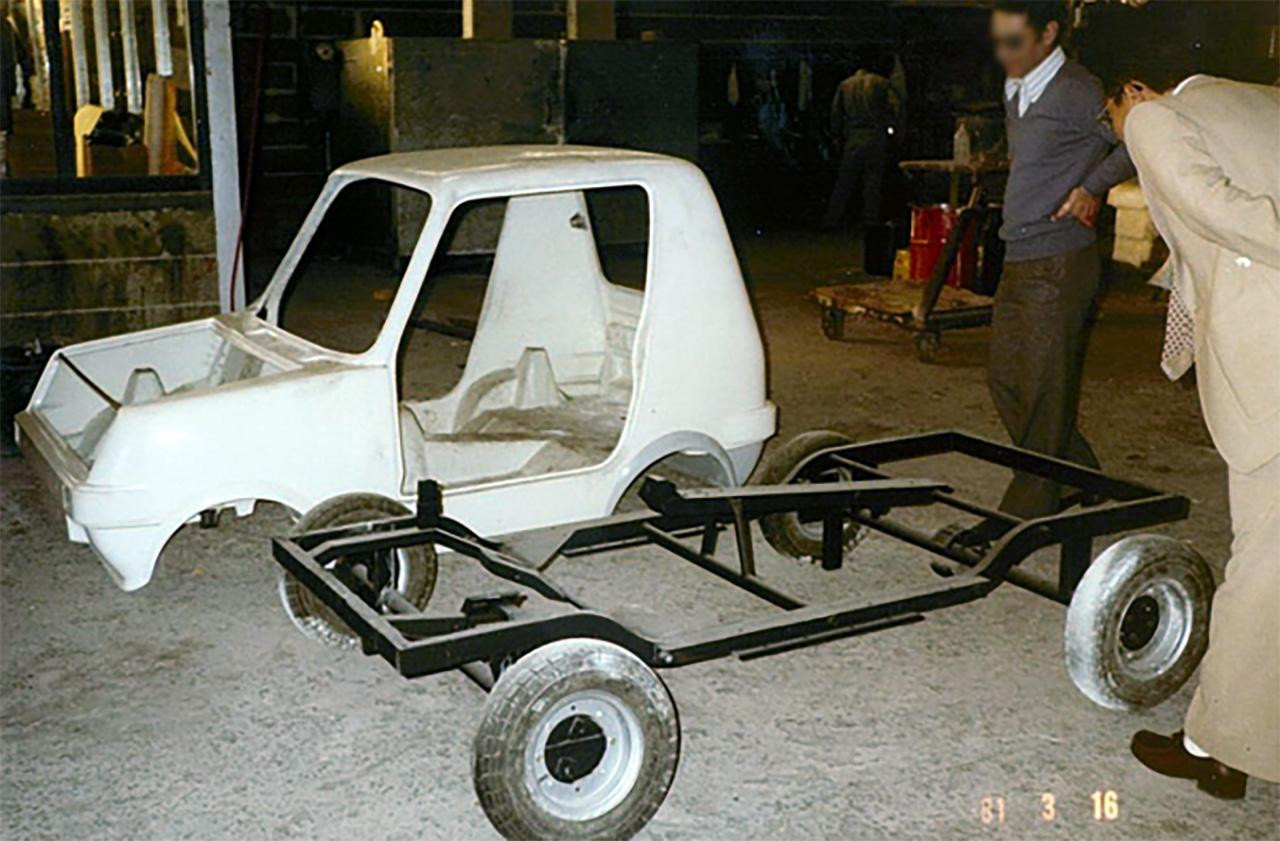 Body and chassis of SADO550
First up is the SADO550. This microcar was designed and manufactured based on the “Made in Portugal” concept. A single letter to Daihatsu requesting engines led to the compact car being fitted with a Daihatsu powertrain (the AB type engine used in the Hijet).
PORTARO
Next up is the PORTARO.
This model is a four-wheel drive manufactured in Portugal from 1975 onwards. It features a body and chassis designed by the Romanian company ARO, with modifications, combined with a Daihatsu powertrain (DG and DL type engines).
See here for details on the PORTARO
Portaro, o primeiro todo-o-terreno português – Museu do Caramulo
ZEBRA
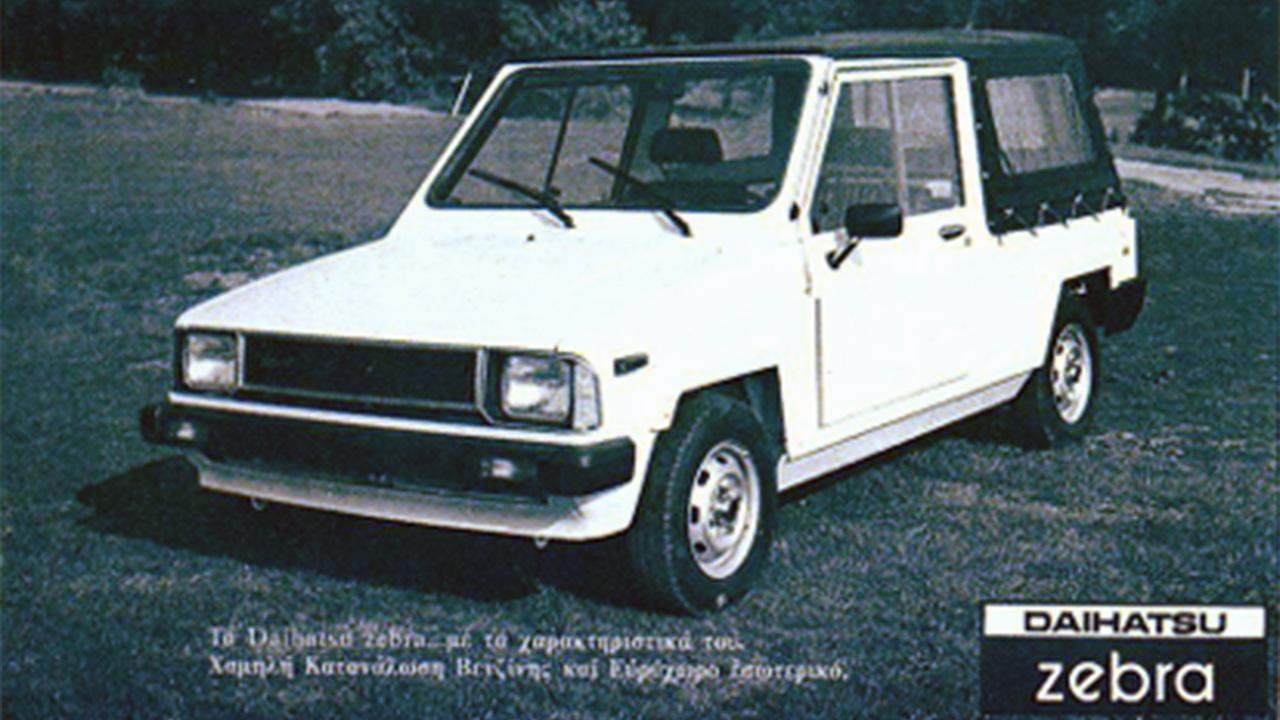 ZEBRA
ZEBRA
The ZEBRA is a utility vehicle produced in Greece, based on a powertrain (CB type engine) supplied by Daihatsu. It featured luggage space fitted with a removable canvas top and was manufactured from 1981 to 1985.
INNOCENTI Models
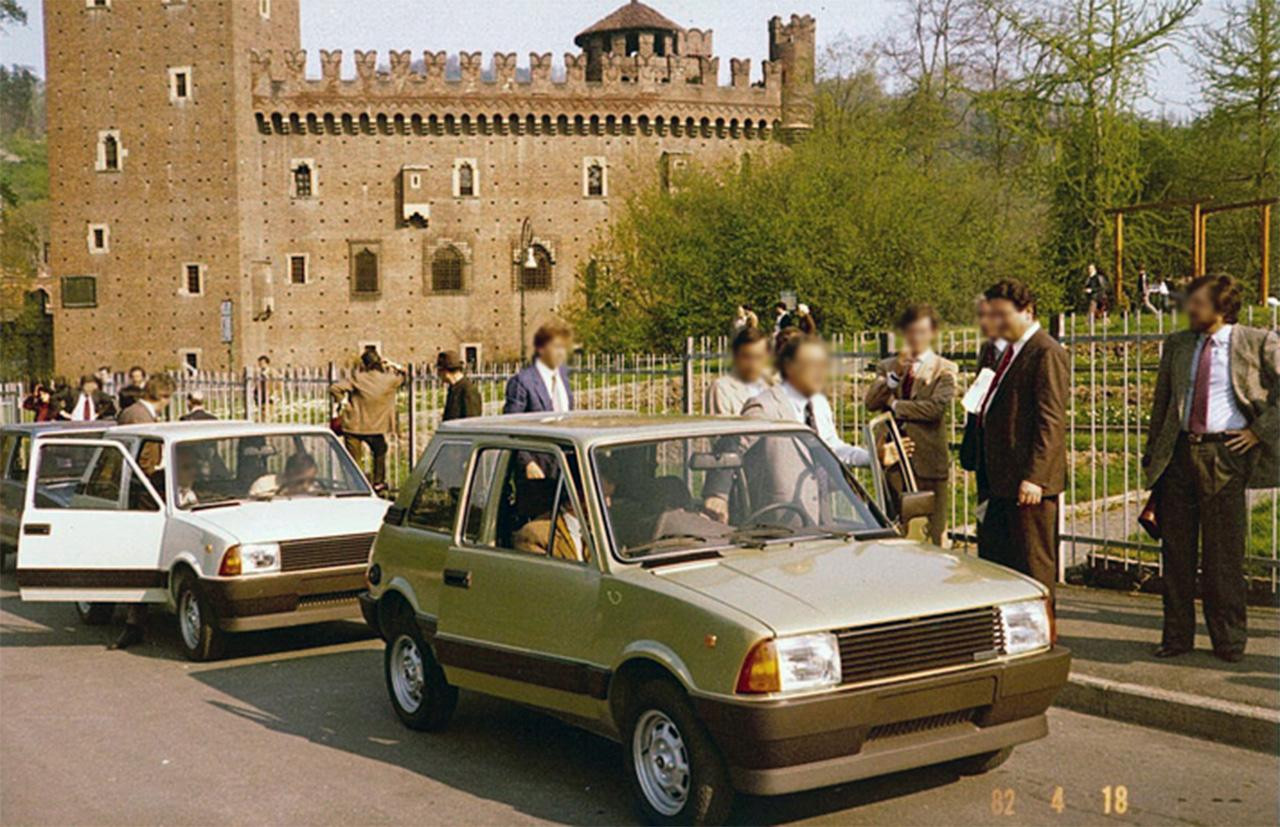 INNOCENTI TRE CILINDRI launch event (1982)
Next, there was the Italian manufacturer INNOCENTI. The company, also known for its Lambretta scooters, produced cars fitted with various Daihatsu powertrains (AD, CB, CL, EB, and EF type engines) between 1982 and 1993. Although the bodywork differed, the heart of the car was Daihatsu. It is this connection that leads us to the story of Charade de Tomaso, but that is a tale for another time.
Chapter 3: Daihatsu Sales Representatives Who Travelled Around Europe
Daihatsu’s venture into the European market began with the Compagno and continued through the Charade, Cuore, Terios, and Copen. So, who were the people working behind the scenes to make this happen?
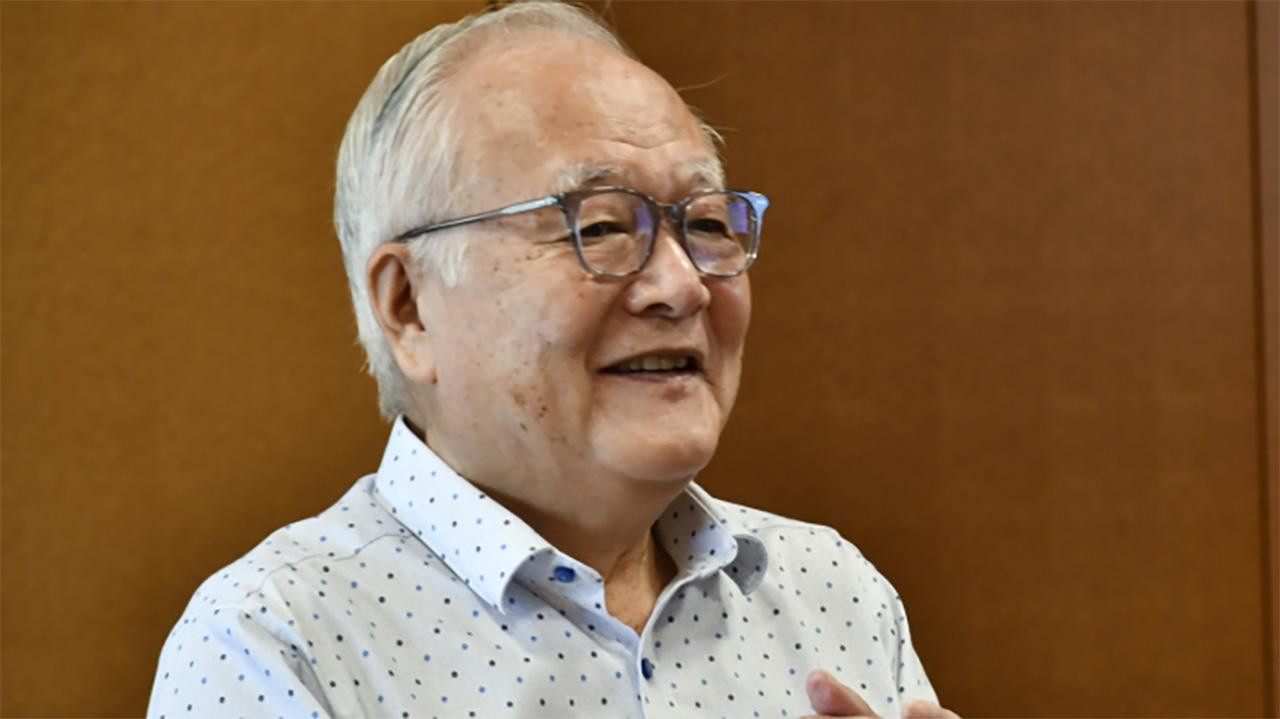
The Daihatsu TANKENTAI spoke to Shibaike-san, a former Daihatsu general manager who took the lead in the early European operations (at FRO in Belgium from 1980 to 1985 and at DDG in Germany from 1987 to 1991) and later served as general manager of the Overseas Sales Department, to hear his account of those days. What emerged was a story of perseverance, ingenuity, and passion far beyond what we had imagined.
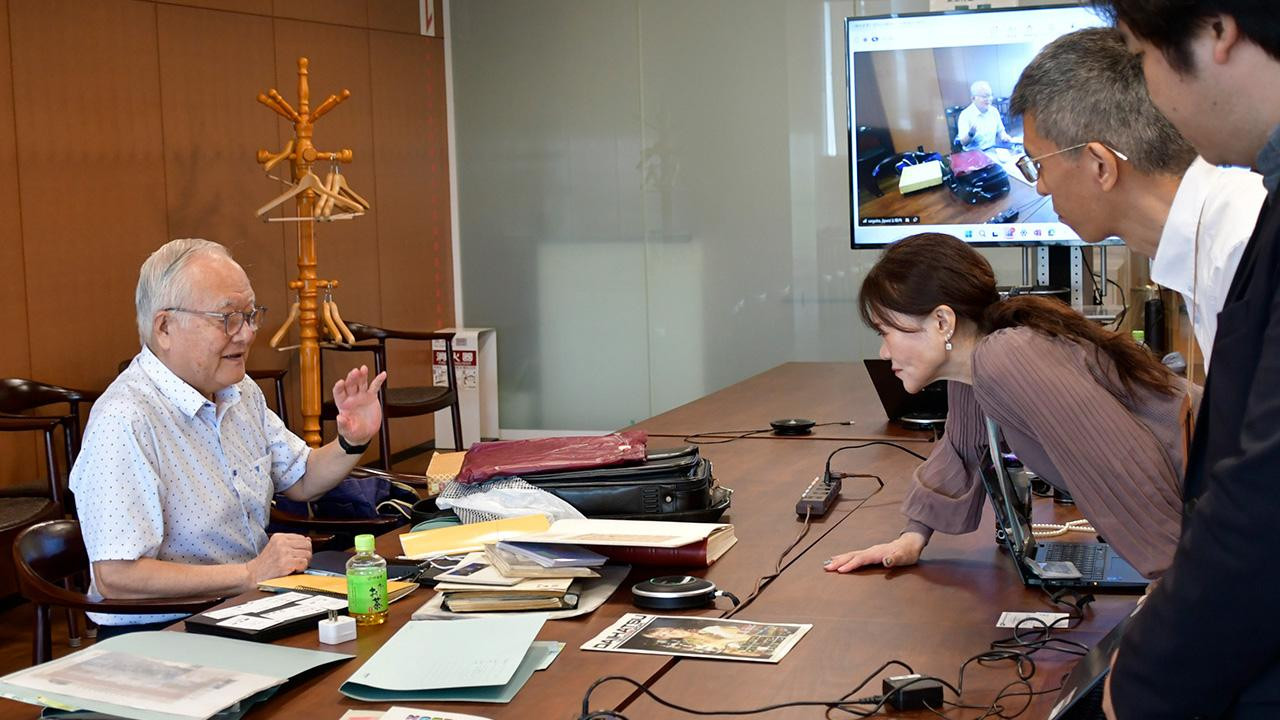
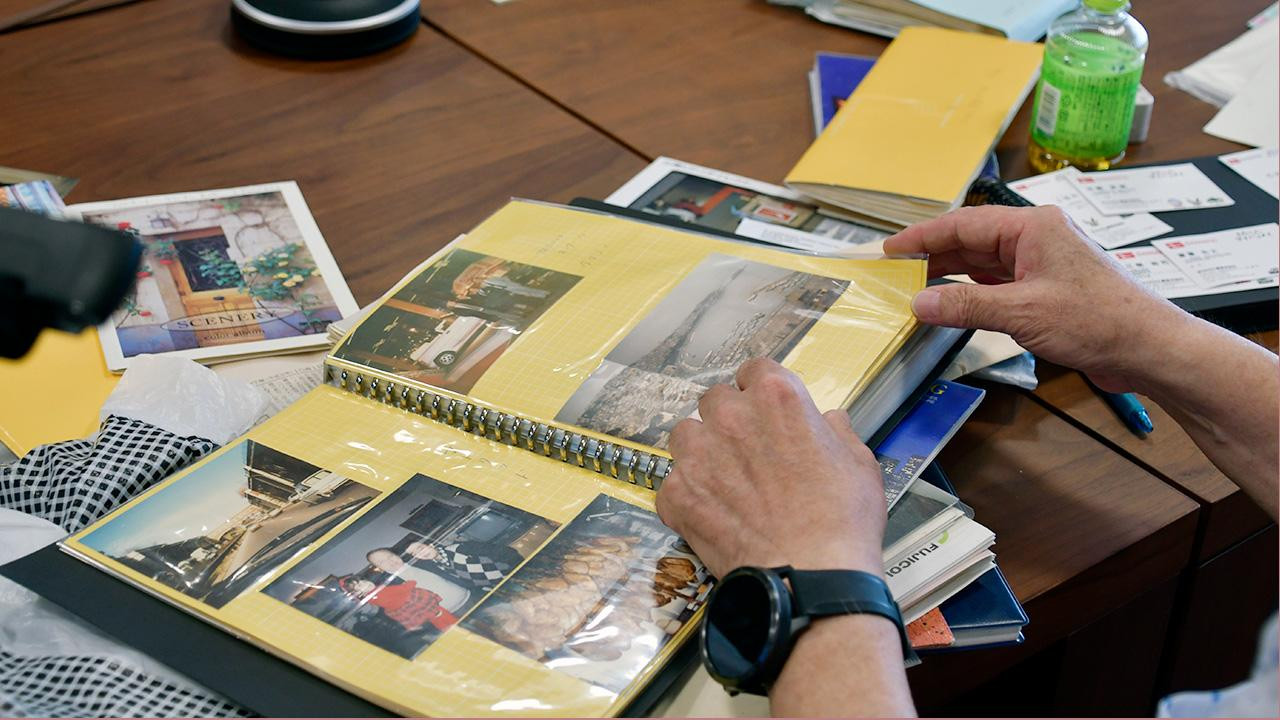
If There’s No Budget, Use Your Wits!
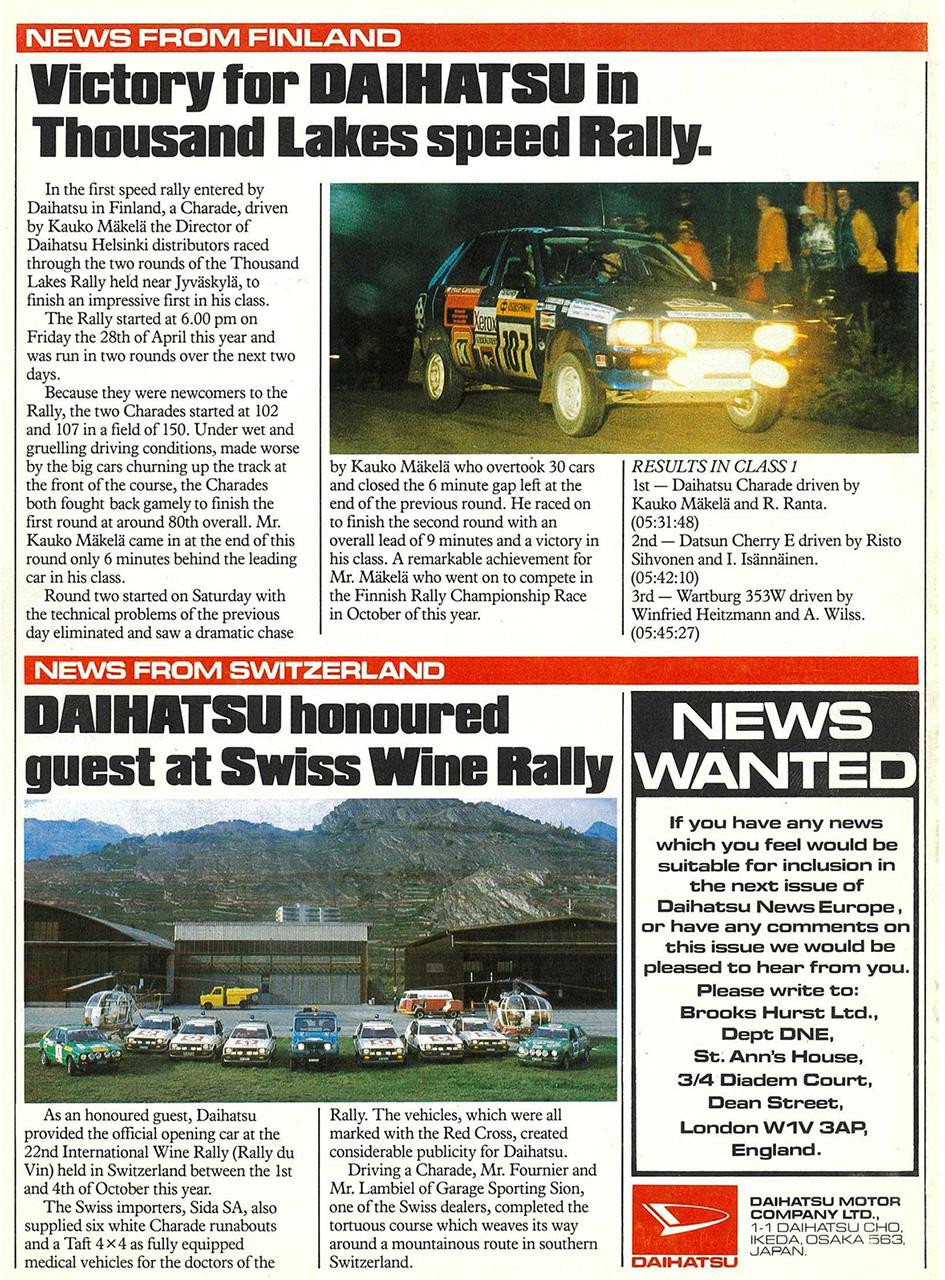
In 1980, while stationed in Belgium, Shibaike-san planned to publish “DAIHATSU NEWS,” an informational magazine for European dealers. However, there was no production budget.
Shibaike-san: “I went round asking the trading companies, shipping companies, and tire manufacturers we did business with, saying, ‘If you place an advert in the magazine, sales in Europe will increase by 20%!’ Everyone was keen to help, and we somehow managed to get it published (laughs).”
Soccer Stars’ Car of Choice: The Rocky
However, Shibaike-san did not stop there. There is a story that left the Daihatsu TANKENTAI utterly astonished.
Shibaike-san: “In 1989, while on secondment in DDG, we provided the Rocky free of charge to Lothar Matthäus, Andreas Brehme, and Jürgen Klinsmann—players for Inter Milan, a powerhouse in Italy’s Serie A, which was then regarded as the world’s top league.”
Lothar Matthäus went on to win the Ballon d’Or (the award for the best player of the year), while Andreas Brehme scored the decisive penalty in the 1990 World Cup final. Furthermore, Jürgen Klinsmann was named Man of the Match (MOM) in the knockout stage match against the Netherlands at the same tournament. All three of them were world-class stars.
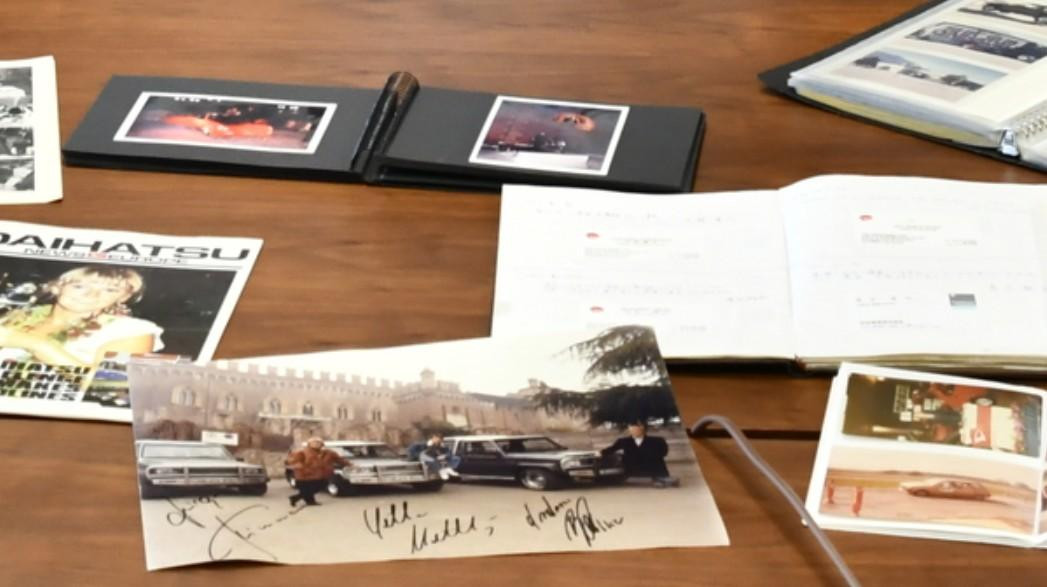
As a condition of lending the Rocky free of charge, DDG reportedly arranged to use photographs of the three players with the car in a promotional booklet. They used the players’ popularity to help boost sales. This creative approach helped raise awareness of the Rocky in the European market.
An Outpouring of Love 💌 for the Copen From Europe
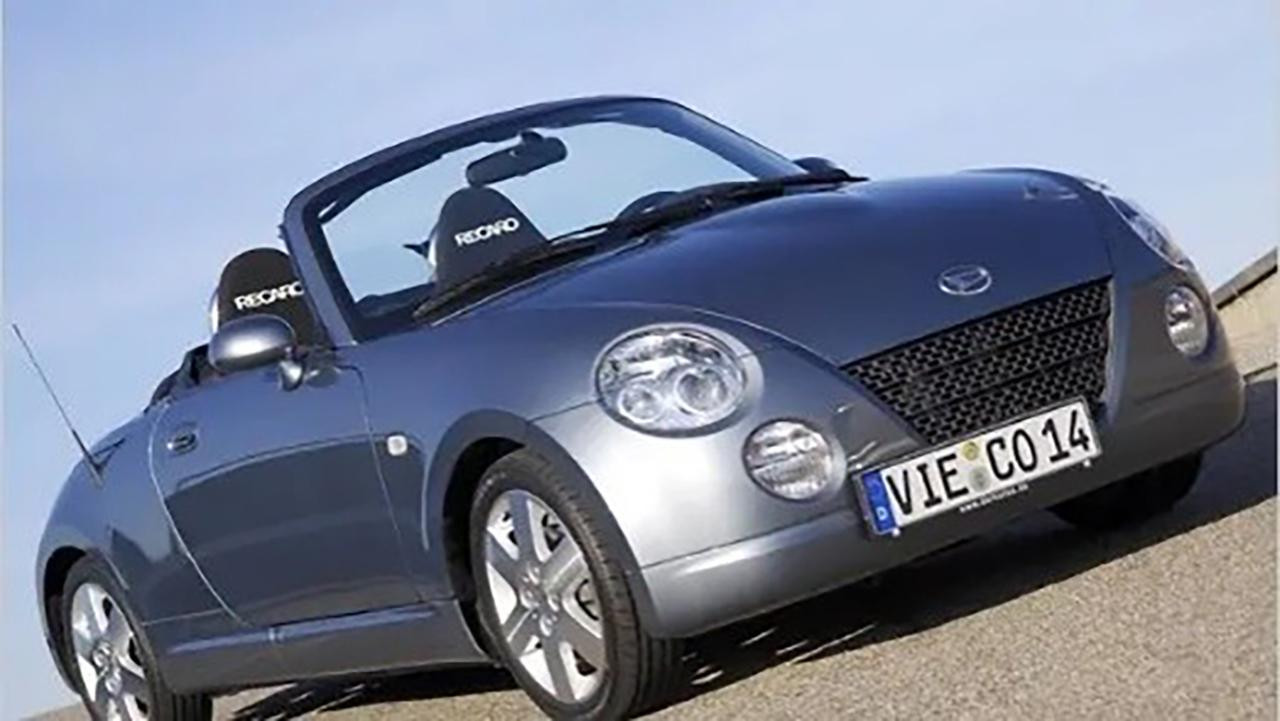
Following its exhibition at the 2002 Geneva Motor Show, the Copen attracted considerable attention in Europe as well.
Shibaike-san: “I gathered articles from the local media and feedback from customers, then went round to persuade the relevant departments and the then Vice-President, and somehow managed to get the go-ahead for exports to Europe.”
That enthusiasm bore fruit, and sales of the Copen began in Germany in 2003, where, as expected, it proved a great success.
However, although most cars in Europe were left-hand drive, it was sold as a right-hand drive model with a 660cc engine.
Local dealers and customers soon began asking, “We want a left-hand drive Copen!” and “We want more power too!” Determined to turn these passionate sentiments into a reality, Shibaike-san persisted in his negotiations with the management and development teams. Although there were many challenges, including profitability concerns, the strong demand from Europe motivated those involved, and this eventually led to the launch of a left-hand drive model equipped with a 1.3-liter engine. European enthusiasm for the Copen had reached across borders and moved Daihatsu to act.
Chapter 4: The Copen – Still Beloved in Europe Today
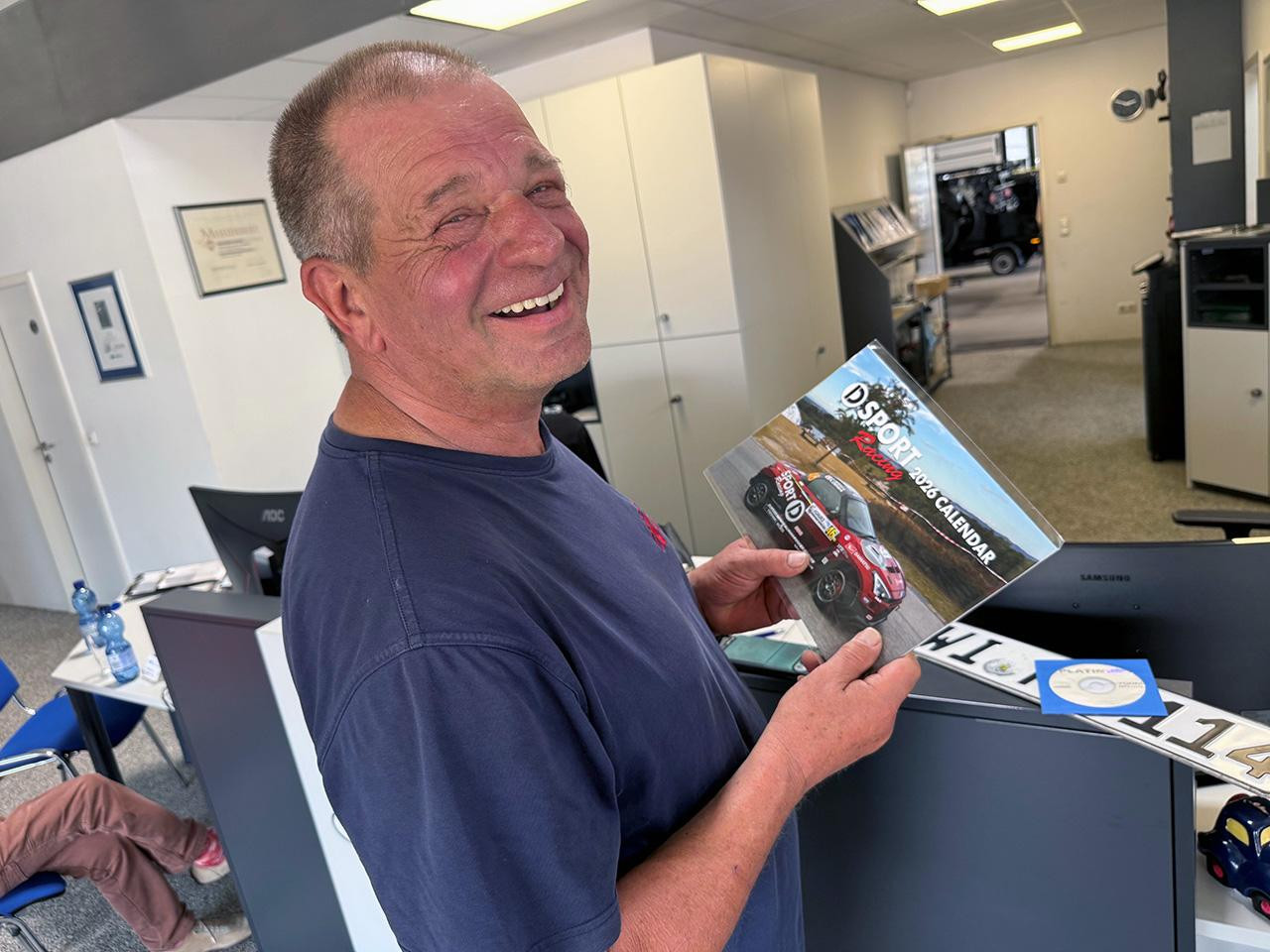 Mr. Bernd Kiessetz
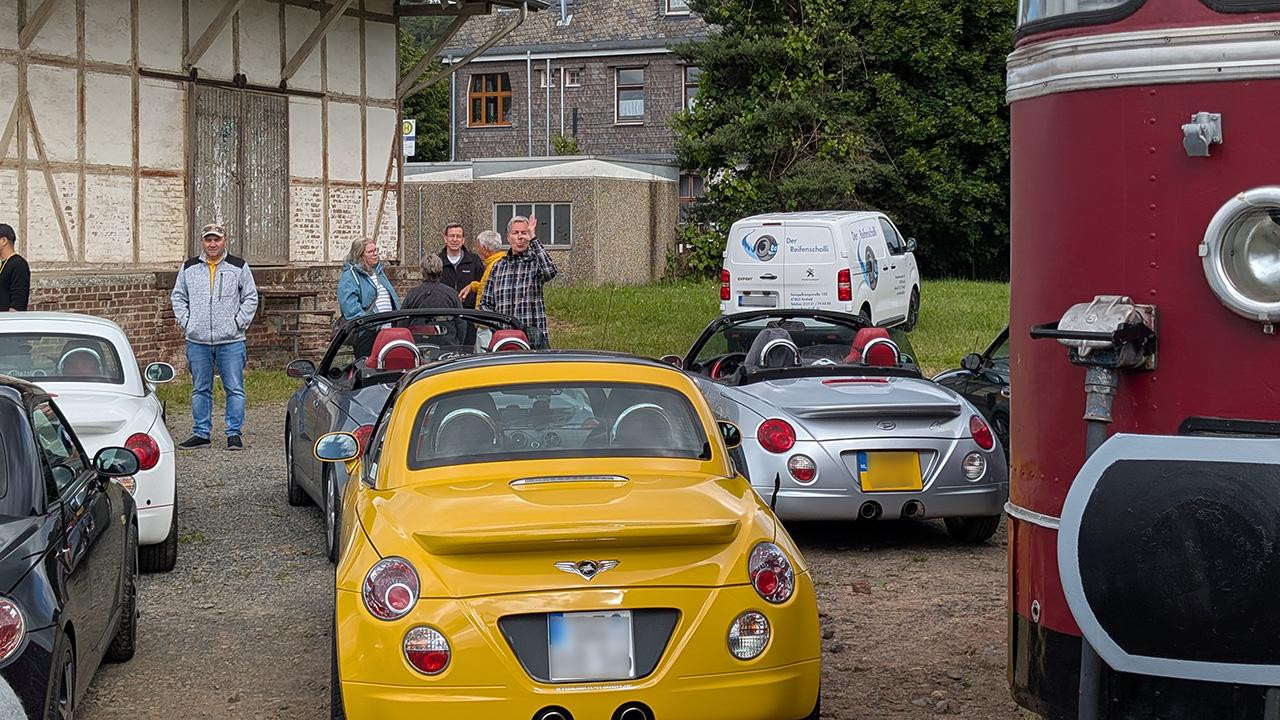
It has been more than 10 years since the sales of new Copen cars ended in Europe. Even so, in Europe—particularly in Germany—there are still groups of people who love the Copen and enjoy going on road trips and attending events.
The Daihatsu TANKENTAI had the opportunity to hear about this passion for the Copen from Mr. Kiessetz, who ran a Daihatsu dealership in Germany at the time and is still involved in the activities of the Copen Owners’ Club, as well as from Mr. Andreas Krueger, who co-runs an online forum dedicated to the Copen.
Die-Hard Fans in Europe
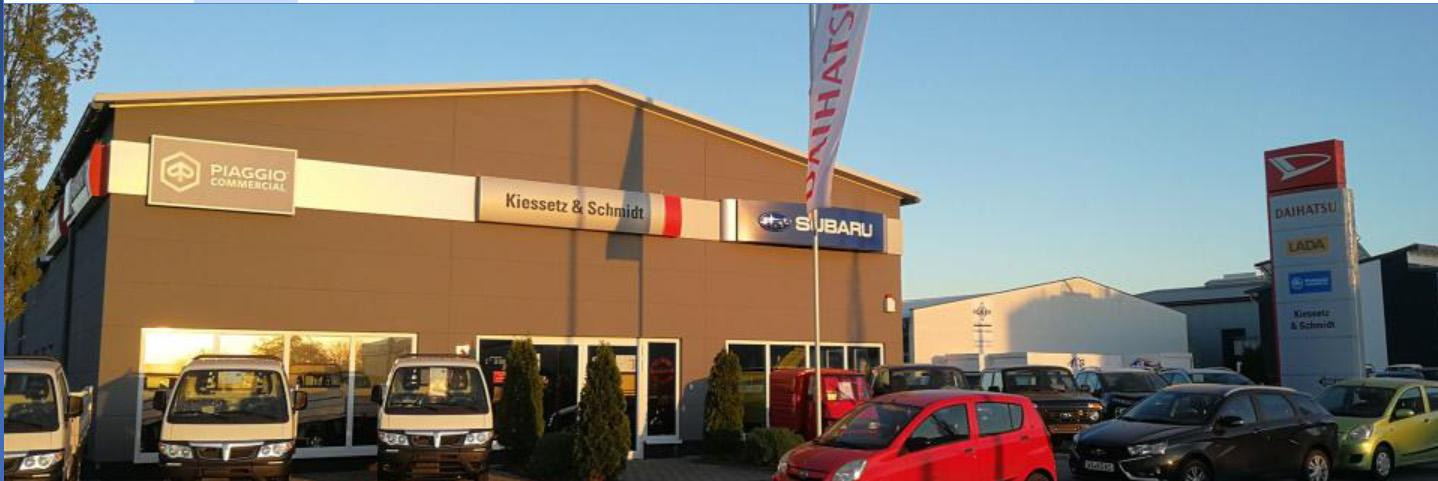
Mr. Kiessetz has been running a Daihatsu dealership since 1994 and bought his first Copen in 2003.
Mr. Kiessetz: “I took a liking to it from the very first moment I saw it! Since then, I’ve driven at least five Copens.”
Of all the cars out there, why does he keep choosing the Copen? The answer was, in fact, quite simple.
“Because it’s fun to drive!” he said.
The friends Mr. Krueger introduced to us were no less enthusiastic. There are enthusiasts who have imported 1,300cc right-hand drive models from the UK—a specification unavailable in Germany—while others have reportedly imported the second-generation Copen (LA400) model from Japan and, after going through a complicated administrative process, had them approved for road use in Germany. They are willing to go to such lengths just to drive the Copen they love. The Daihatsu TANKENTAI was truly amazed by the lengths these enthusiasts went to just to get the car they loved.
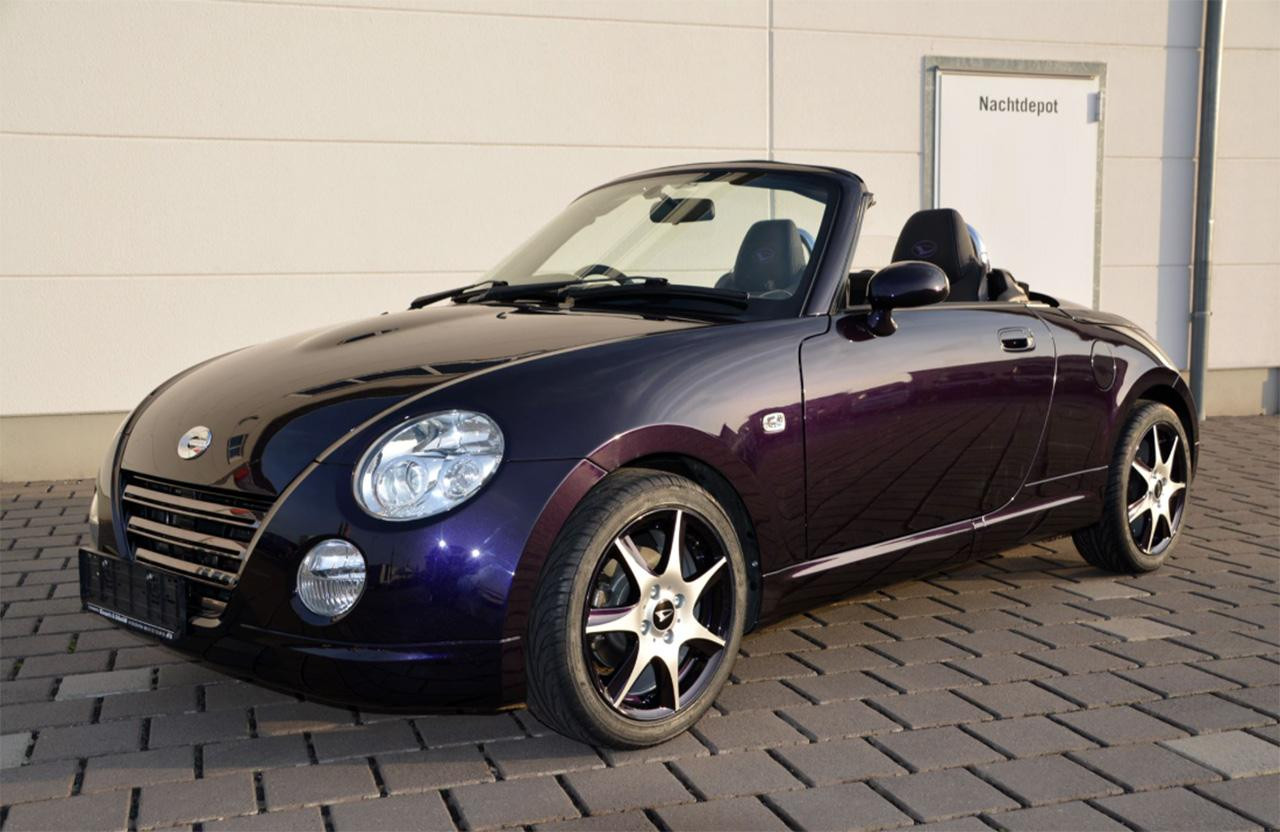
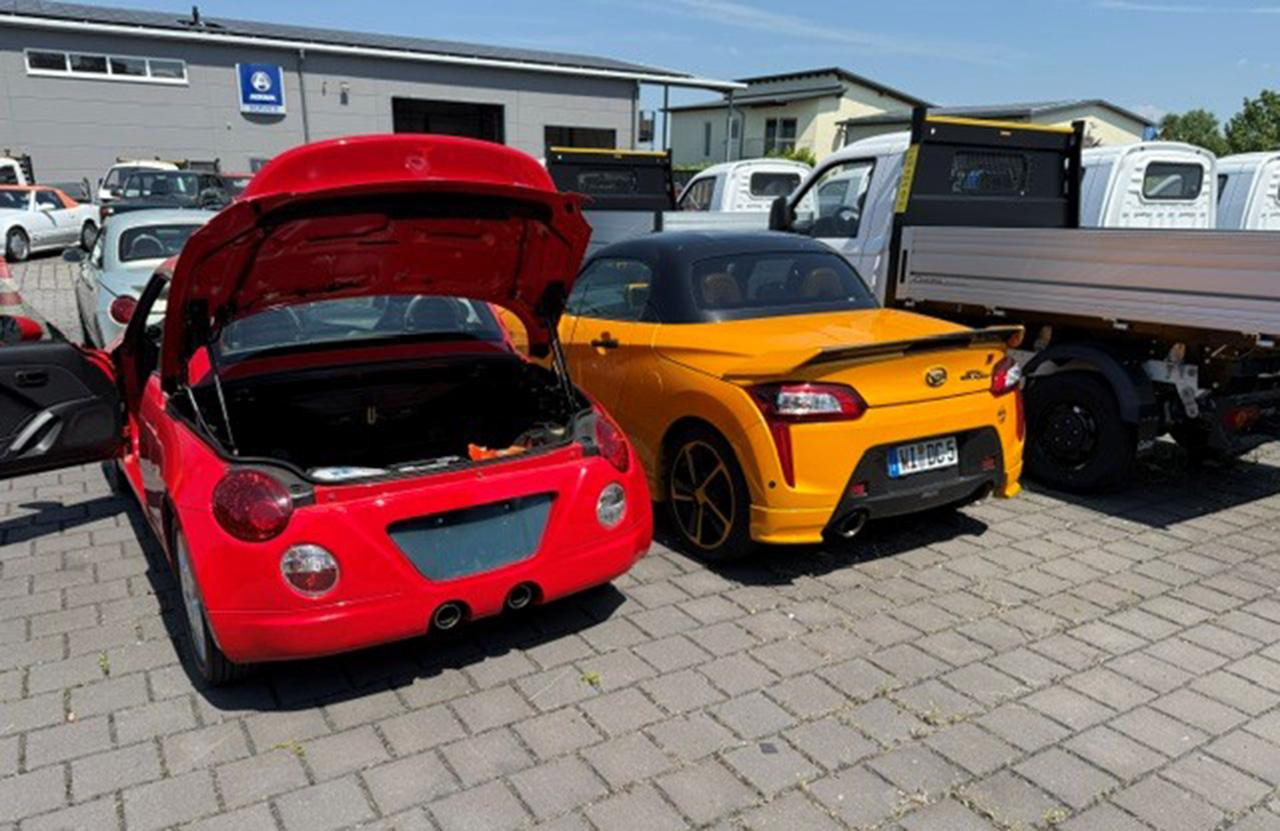
A Cross-Border Copen Gathering!
According to Mr. Krueger, the Copen Owners’ Club has around 400 to 500 registered members. He says that around 70 to 100 cars turn up for the annual Copen meet.
Mr. Krueger: “Copen come from the Netherlands, Poland, France, Switzerland, Belgium, the UK, and elsewhere. We always go on a road trip as part of the meet.”
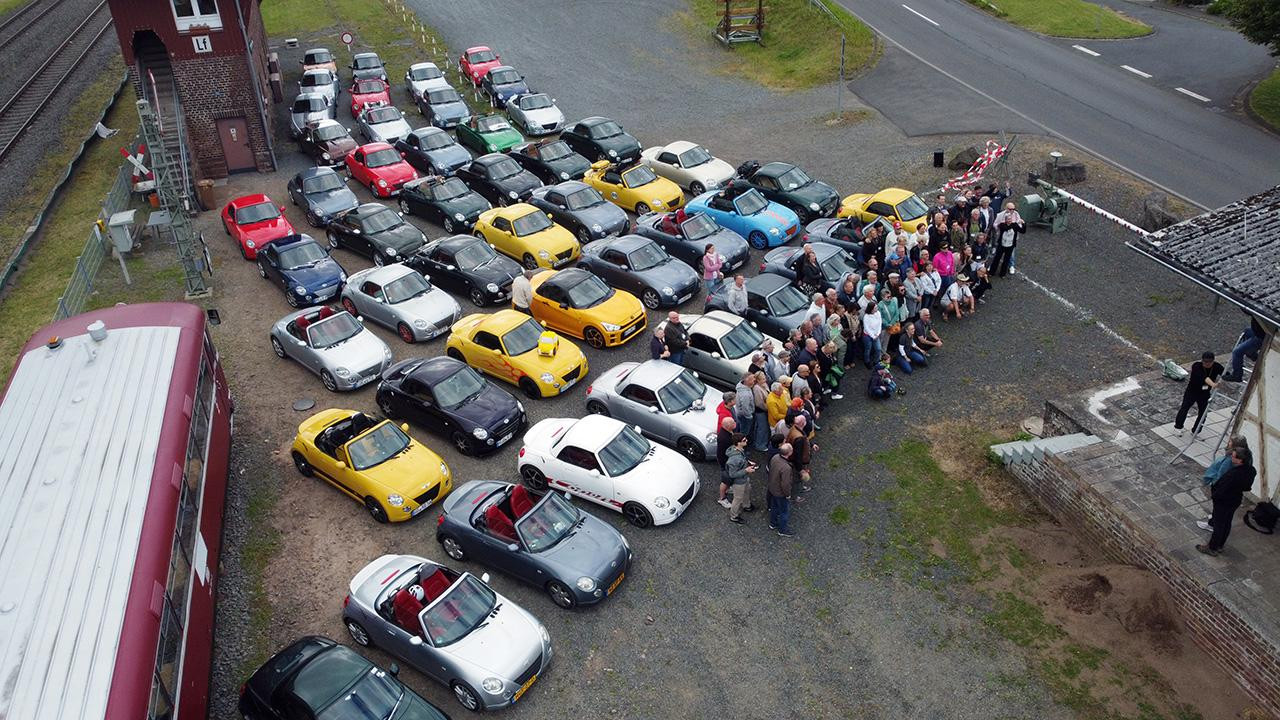
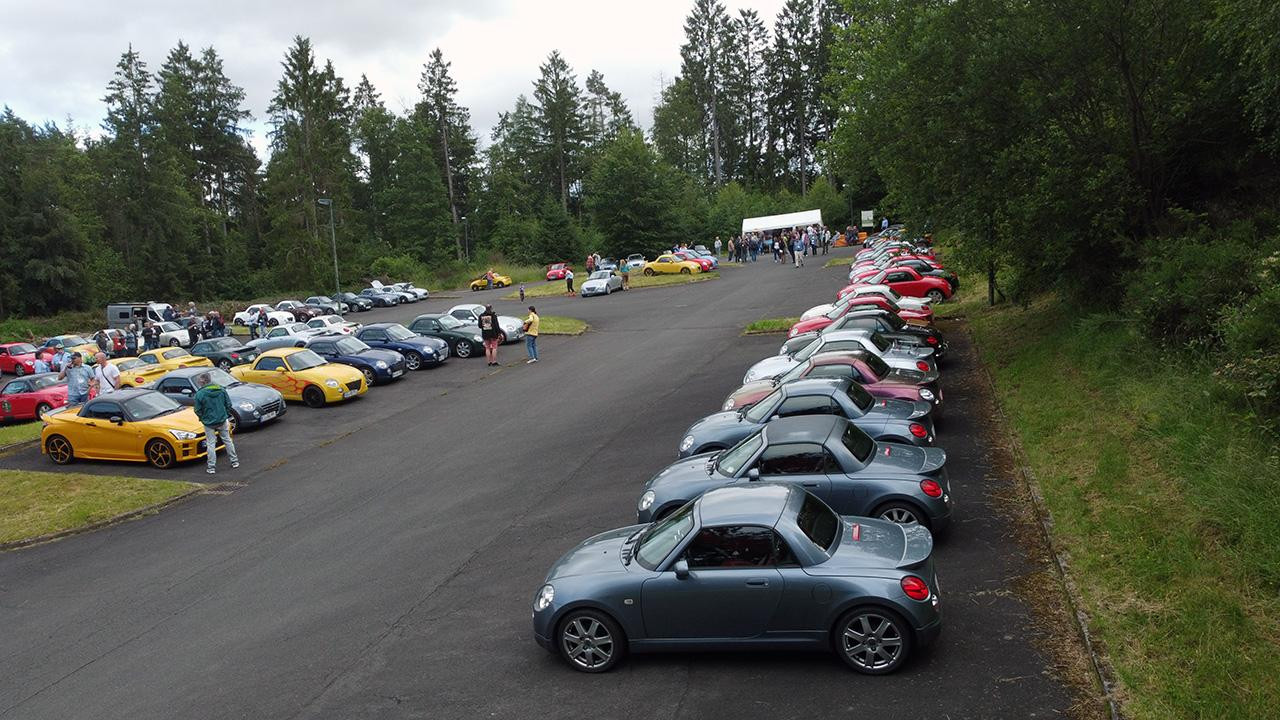
Planning and organization are carried out by volunteer members. They have worked together to foster the joy of coming together across borders and driving together.
Mr. Kiessetz looked back on the tour in the Taunus region, which he helped organize himself.
Mr. Kiessetz: “I enjoyed a drive in the Copen with everyone. The scenery at the time was truly spectacular!”
The memories of driving alongside fellow enthusiasts who share a love for the same car remain as vivid as ever, even now, many years later.
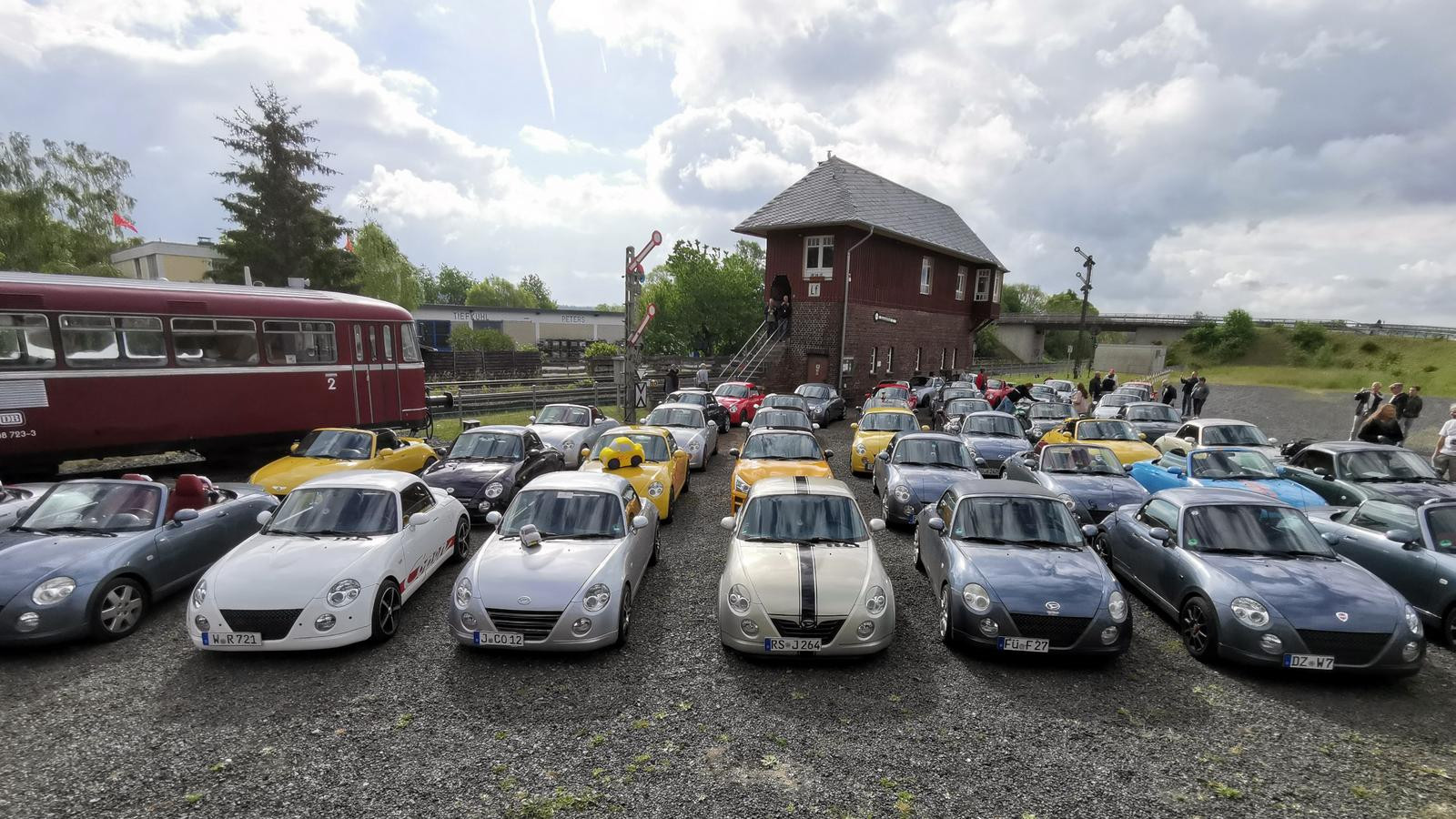
Copen, the Cupid of Love
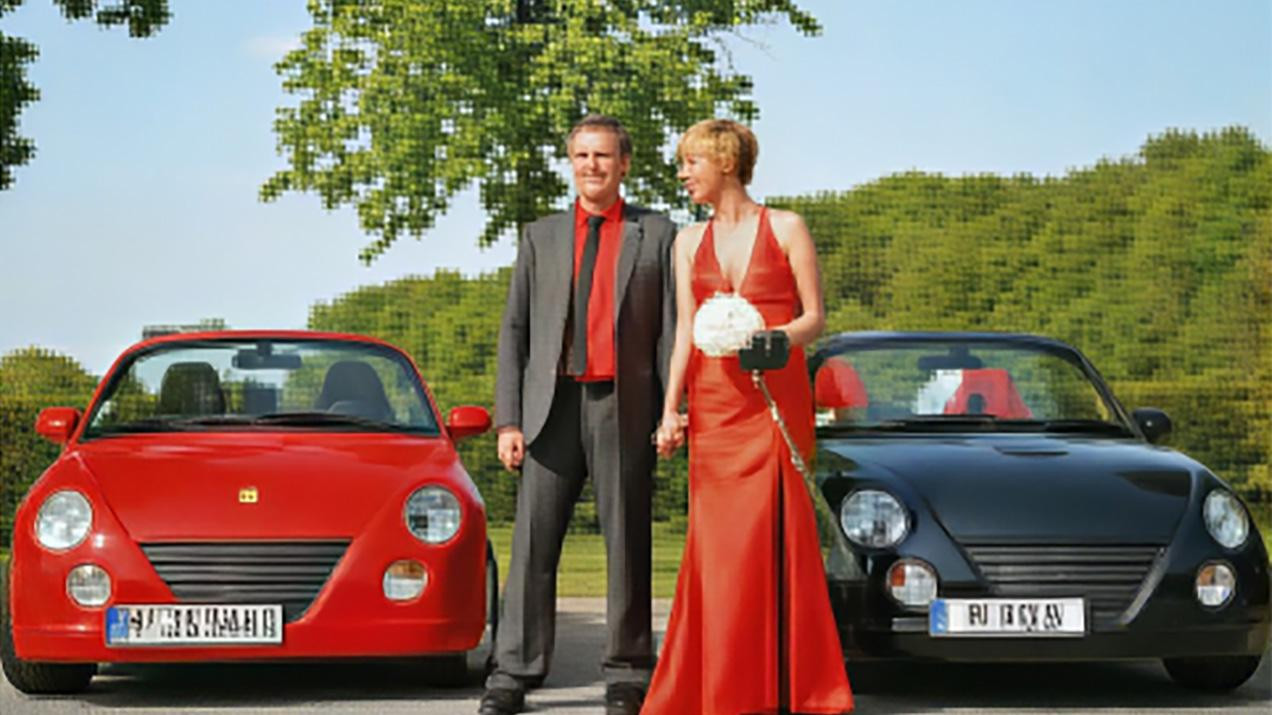
There was one particularly memorable moment during this exploration: the story of a couple who met thanks to the Copen.
The two met at a Copen event organized by DDG in 2007. As fellow enthusiasts of the same car, they hit it off talking about the Copen and eventually got married. Their respective Copen cars were present at their wedding ceremony to mark the start of their new life together.
A car is not merely a means of transport. At times, it can connect people and become a source of lifelong memories.
For this couple, the Copen has become an irreplaceable part of their lives.
Copen, Forever Love♡
Finally, Mr. Kiessetz shared his hopes for Daihatsu.
Mr. Kiessetz: “It would be brilliant if Daihatsu were to bring the Copen back, wouldn’t it? And, of course, sell it in Europe too! If that happened, I would be absolutely thrilled.”
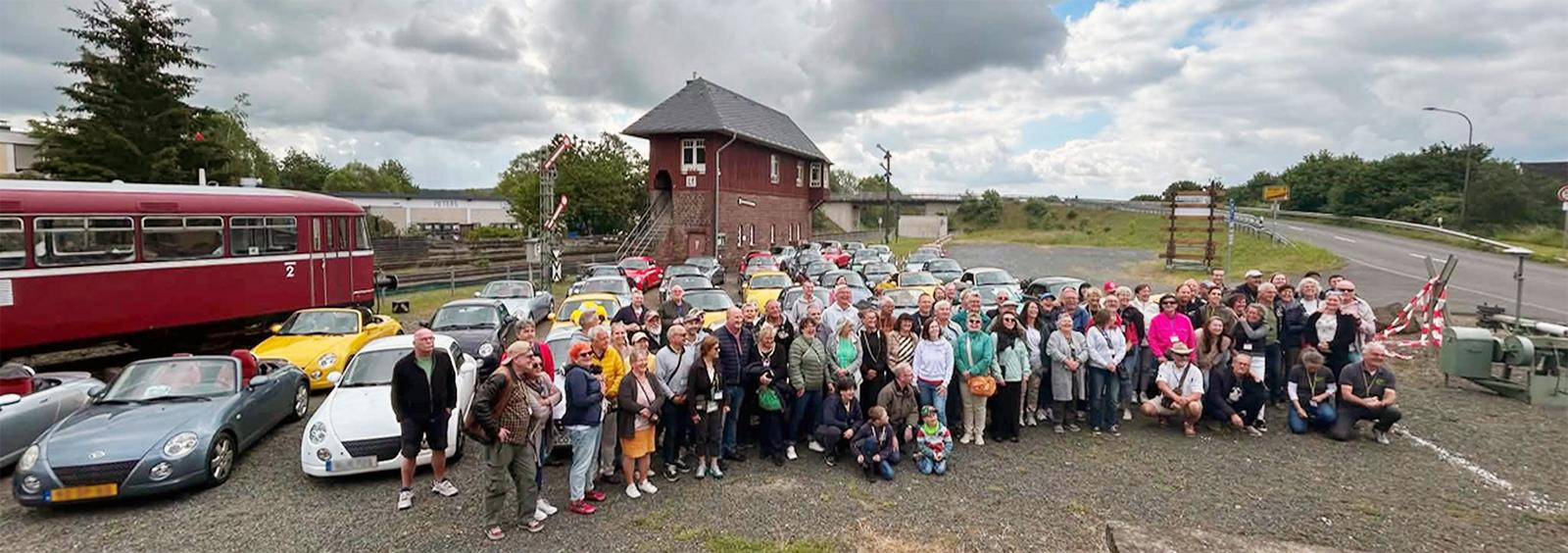
What this exploration revealed was not merely the history of the cars sold in Europe.
It was the story of Daihatsu—a story that has connected people across borders and left behind a wealth of memories.
As long as there are people who love cars, the stories will never end.
And so, the Daihatsu TANKENTAI set off on their next adventure in search of a new story.
(Text: Ema, Sakuragi)
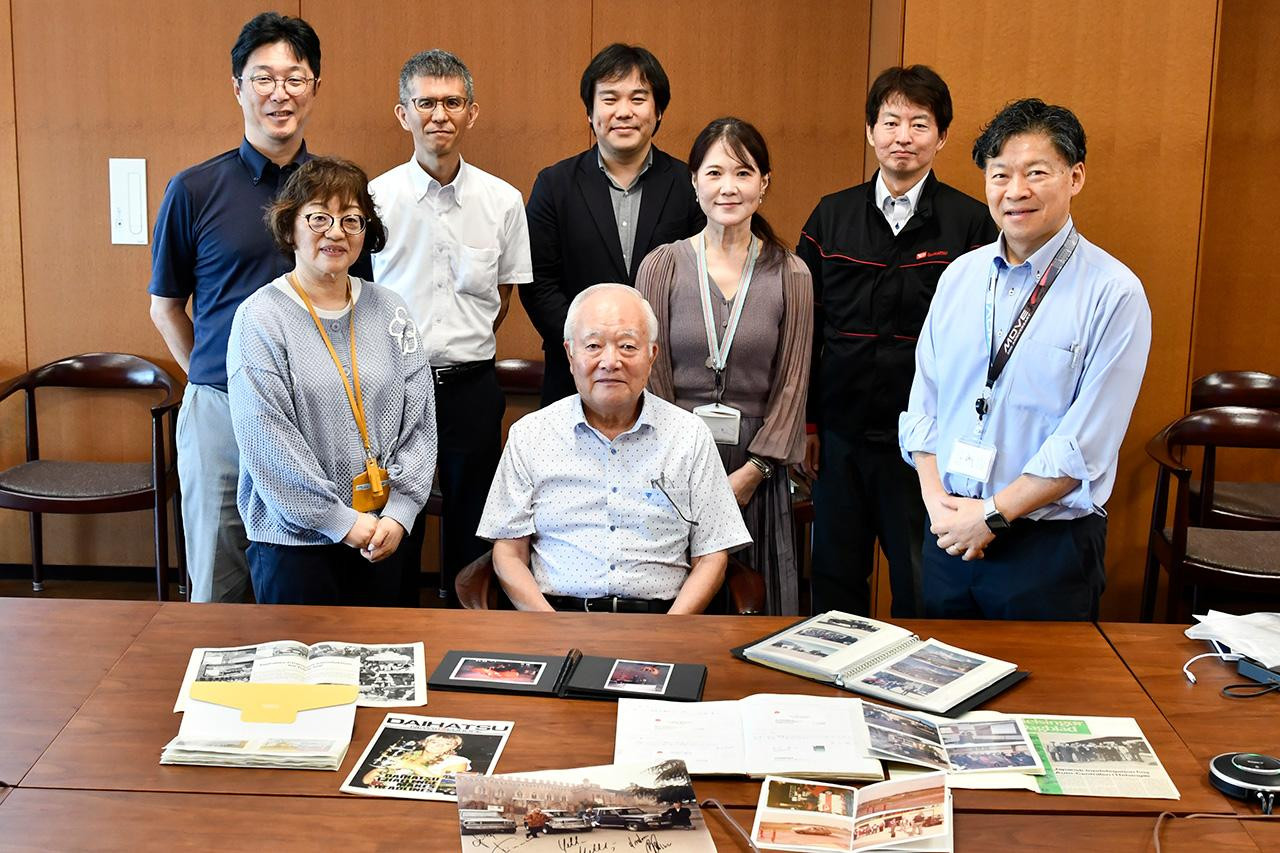
Editor’s Note
What did you think?
This article was written by two members of the Daihatsu TANKENTAI, based on joint research carried out by the entire team. I imagine that many younger readers may not closely associate Daihatsu with Europe, but in fact, the company has been operating in countries around the world for many years. This article is a record of our three-month exploration, undertaken with the encouragement of our predecessors who paved the way and the customers who love Daihatsu cars all over the world. We hope you enjoyed reading it.
In addition, the Daihatsu TANKENTAI’s reporters are a group of enthusiastic volunteer members from within the company. While we stay close to our customers through our products and services on a regular basis, we also use this publication to reach fellow employees and the public in a new way. We may not be professional journalists, but we believe our passion is second to none.
Thank you for reading to the end. We will continue to embark on explorations that you will all enjoy. We look forward to your continued warm support.
Tanizumi, Team Leader
Reference Materials
・A Brief 70-Year History of Daihatsu
・The 80-Year Journey of Daihatsu (Moete Kakete)
・The 90-Year Journey of Daihatsu
・100 Years of Daihatsu (General History, Documentary Collection, 100 Stories of a Century)
・110 Years of Daihatsu
・DAIHATSU NEWS EUROPE Issue No2
・DAIHATSU NEWS Vol01 No3
・WRC+PLUS June 2008 issue, March 2009 issue (San-ei Shobo)
・AUTOMÓVEIS PORTUGUESES(MUSEU DO CARAMULO)
The people in this article

Daihatsu TANKENTAI Team Leader (this time)
Tanizumi-san(Product Planning Div.)
Daihatsu TANKENTAI Team Leader
Wakabayashi-san ("Three Pledges" Reform Promotion Div.)

Daihatsu TANKENTAI
Ema-san (Distribution Planning Div.)

Daihatsu TANKENTAI
Sakuragi-san (Digital Transformation Promotion Div.)

Daihatsu TANKENTAI
Saito-san (Value Chain Business Div.)

Daihatsu TANKENTAI
Wakabayashi-san (Vehicle Structure & Function Development Div.)

Daihatsu TANKENTAI
Tanaka-san (Power Train Production Engineering Div.)
Daihatsu TANKENTAI
Fujiwara-san (TAR Product Engineering Div.)
Daihatsu TANKENTAI
Kawakita-san (General Affairs Div.)

Daihatsu TANKENTAI
Ishida-san (Corporate Management Div.)

Daihatsu TANKENTAI
Uegaito-san (Corporate Management Div.)

Daihatsu TANKENTAI
Takahashi-san (Corporate Management Div.)