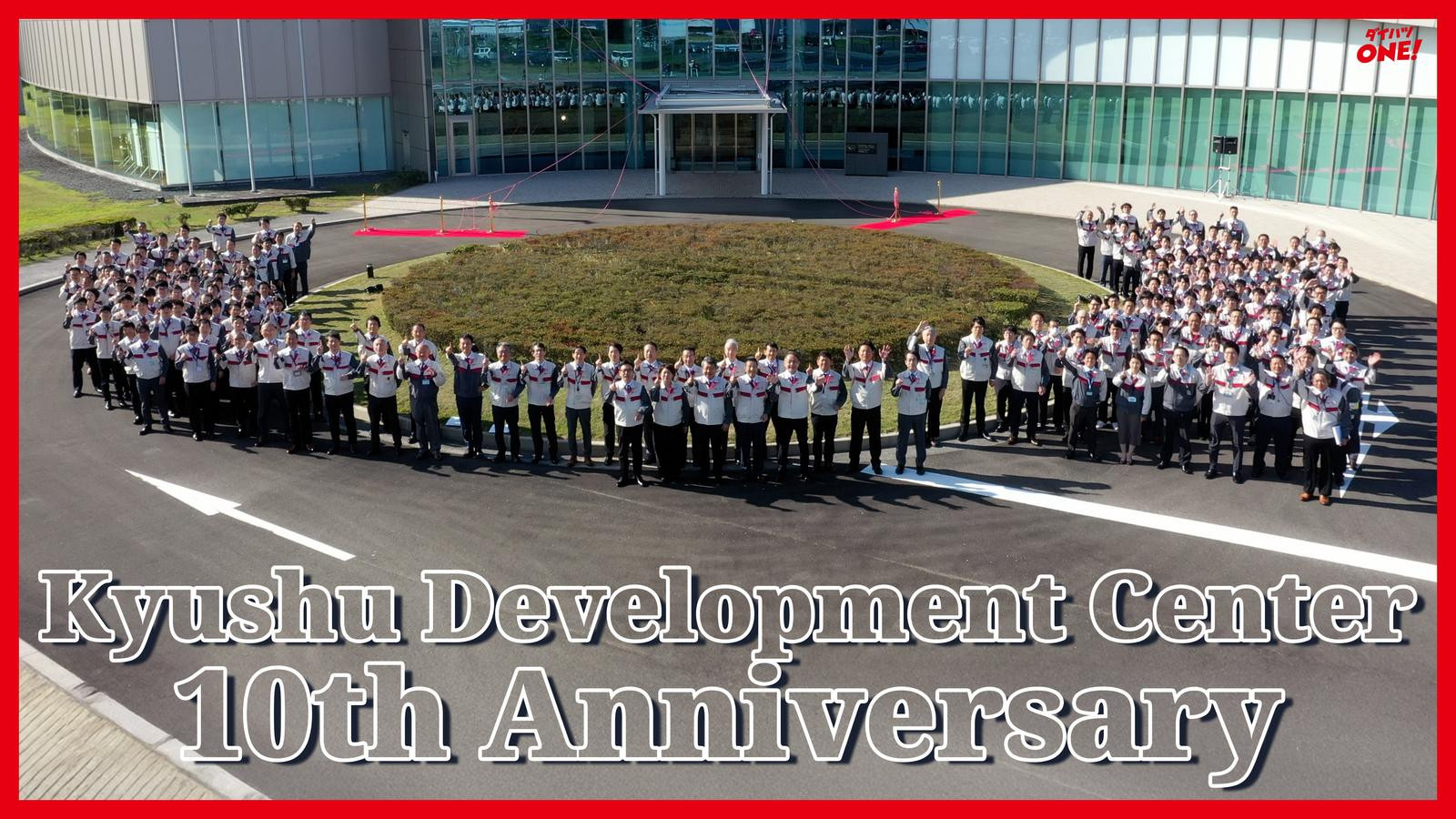
On October 24, 2025, the Daihatsu Group Kyushu Development Center celebrated its 10th anniversary since its establishment and held a commemorative ceremony together with stakeholders in the local community!
Uegaito from the Inner Communication Group covered the ceremony and the center's 10-year journey.
Commemorative Ceremony Weaving Together “Passion”
Many honored guests, including representatives from relevant ministries and government agencies, local stakeholders, suppliers, and universities, attended the commemorative ceremony held at the KDC Hall within the Kyushu Development Center. Following the ceremony, guests were given a tour of the center’s initiative showcase and the development site. Please watch the video to see how it all unfolded.
Key Figures on the 10-Year Journey
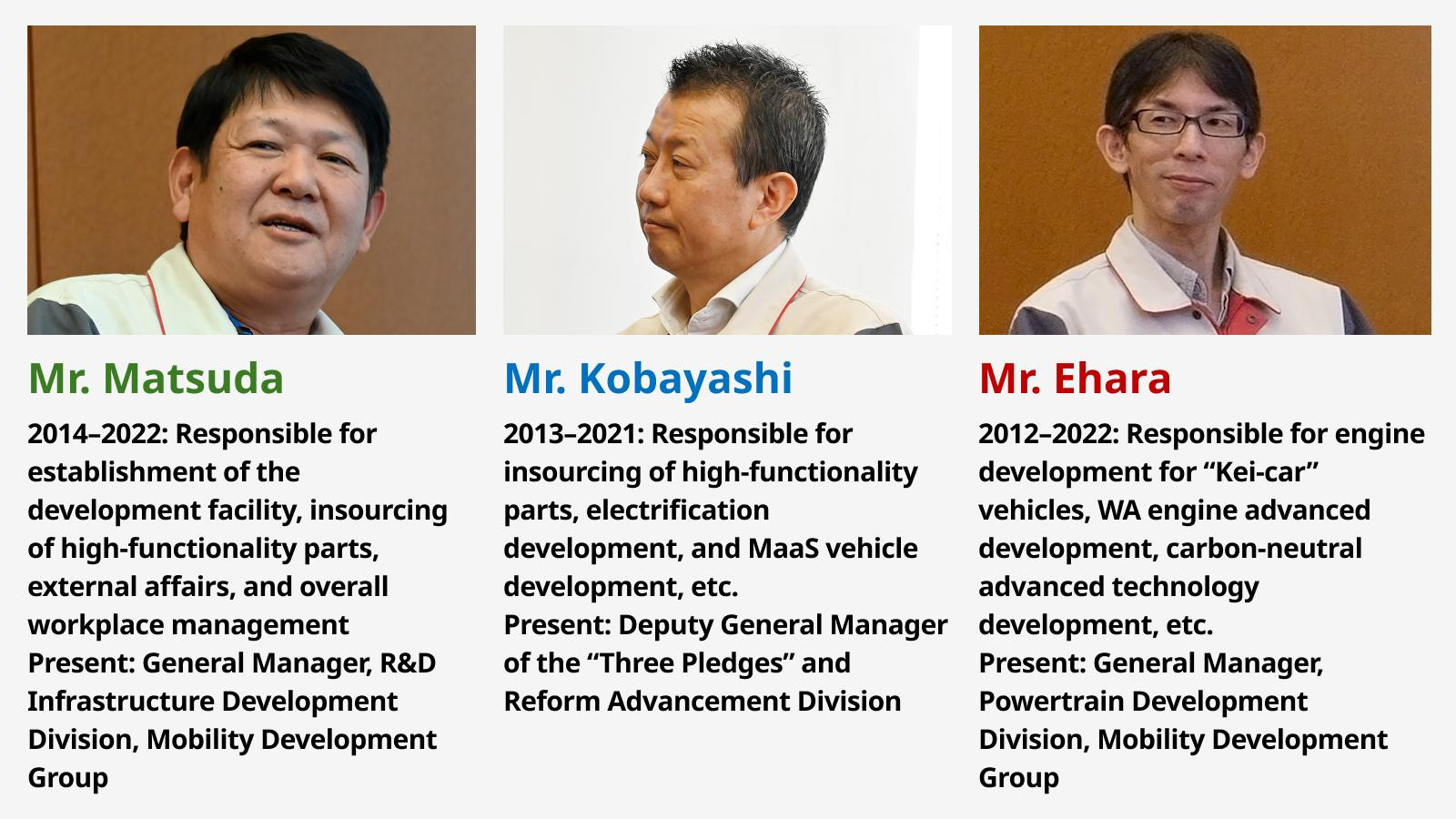
The past 10 years have certainly not been smooth sailing. This time, we asked the key figures who have supported the Kyushu Development Center from its establishment until today to share the progress of its advanced development, hardships faced in the past, and the intense passion poured into it!
Advanced Development: Creating Something from Scratch
Mr. Matsuda Advanced development means creating something from scratch. Having only experience in mass production development, I found the very act of creating something new to be extremely difficult.
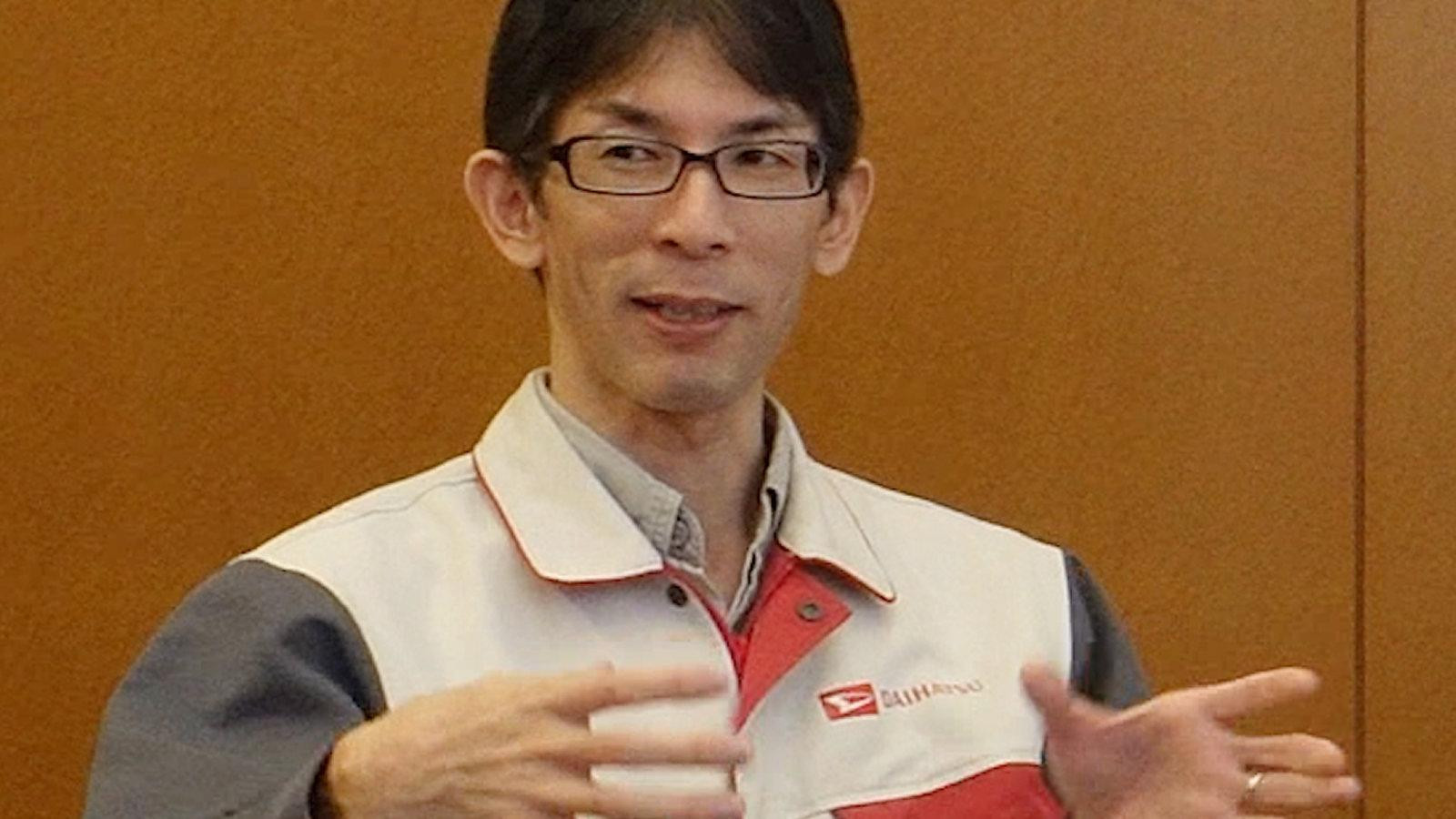
Mr. Ehara I haven’t necessarily achieved great results in advanced development, so I won’t make bold statements, but speaking from experience in both advanced development and mass production development, I believe the difficulty lies in setting your own goals and challenging yourself in areas where you don’t even know if answers exist. However, even if things don’t go well, simply being involved fundamentally changes your way of thinking, so I believe it will lead to human resources development.
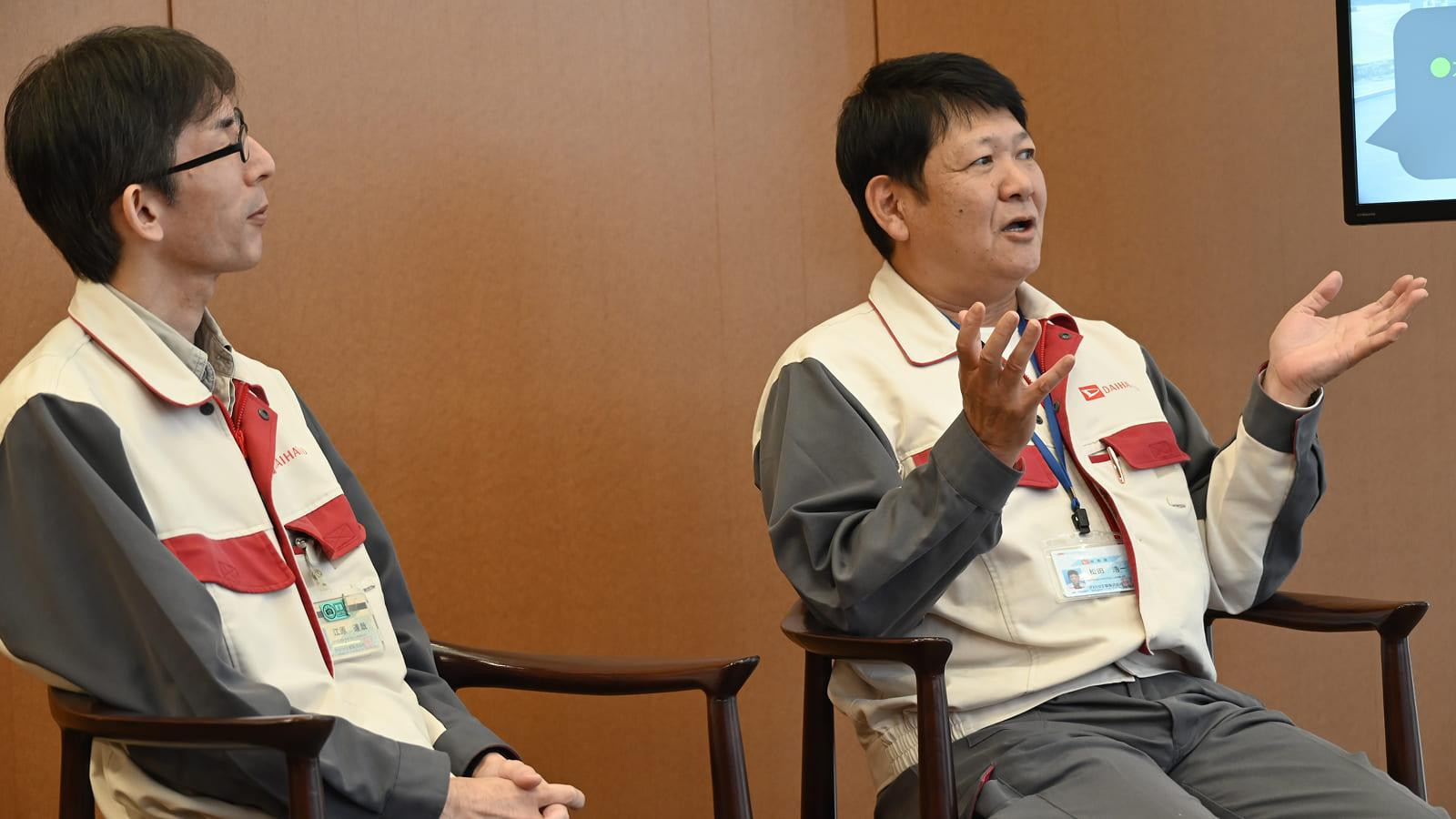
Mr. Matsuda From my own experience, I’ve learned that there is no such thing as “failure” in advanced development. Since we’re taking on challenges with no clear answers, it’s not so much “failure” but a “stepping stone” on the path to success. What truly matters is seeing it through to the end and reaching a conclusion. The result of thinking for yourself and seeing it through becomes, in a sense, the “correct answer.” I believe everyone at the Kyushu Development Center has had this kind of experience to some extent.
Mr. Ehara I believe it’s better for the area of advanced development to maintain a certain “physical distance” from mass production development. If their locations are too close, short-sighted opinions that confuse their respective purposes tend to creep in. Conversely, if they’re too far apart, communication gaps emerge, often leading to different problems. In that sense, Osaka and Kyushu might be just the right distance apart. Furthermore, the understanding of managers who encourage and oversee challenges in both advanced development and mass production development is crucial.
Mr. Matsuda While rules and systems are important in a company, I believe allowing a certain degree of freedom within reasonable limits fosters more diverse ideas. Physical distance is also important here. By maintaining a balance, I think we can create something truly valuable.
The Era of Building New Technological Culture in New Land
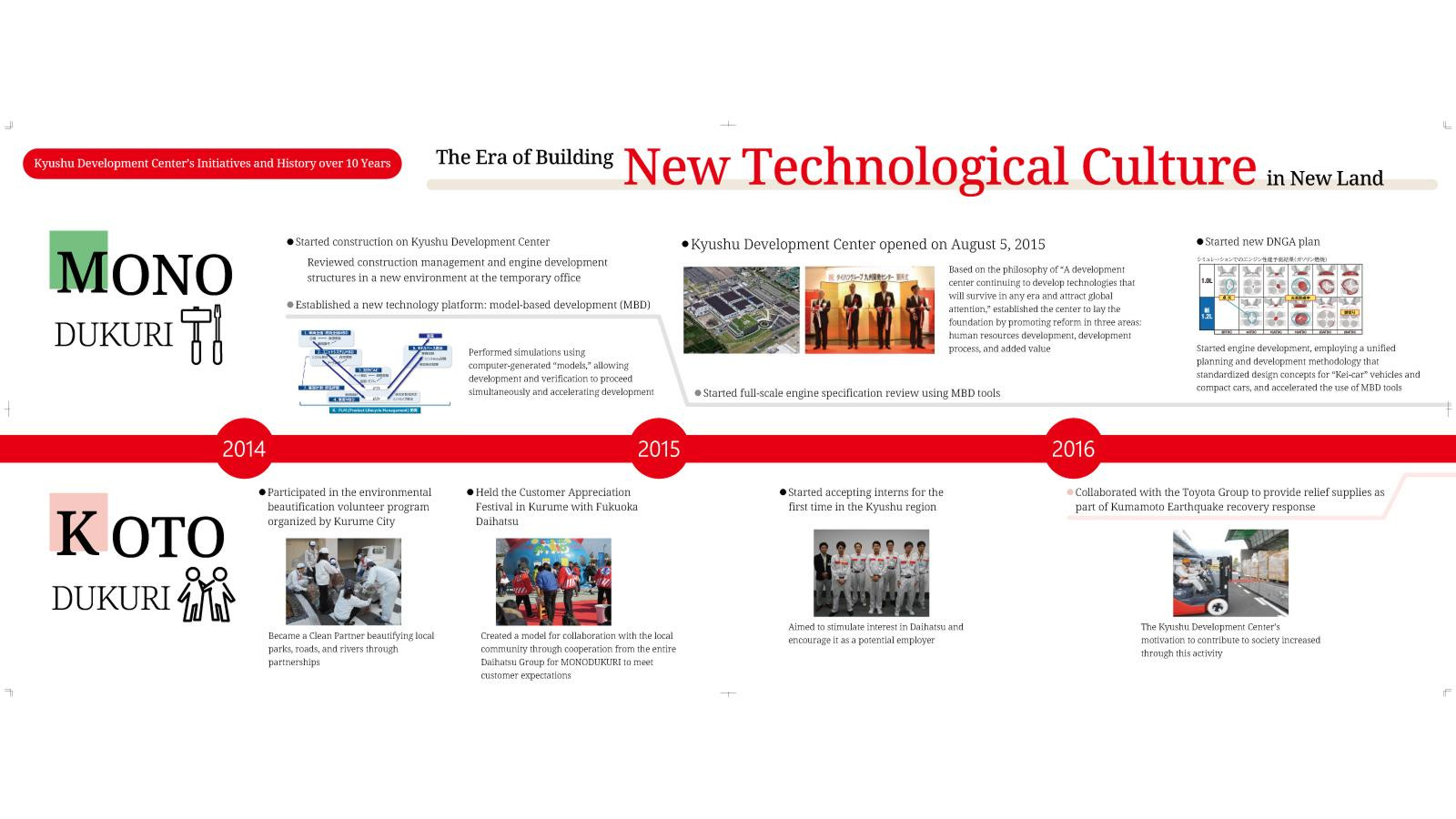
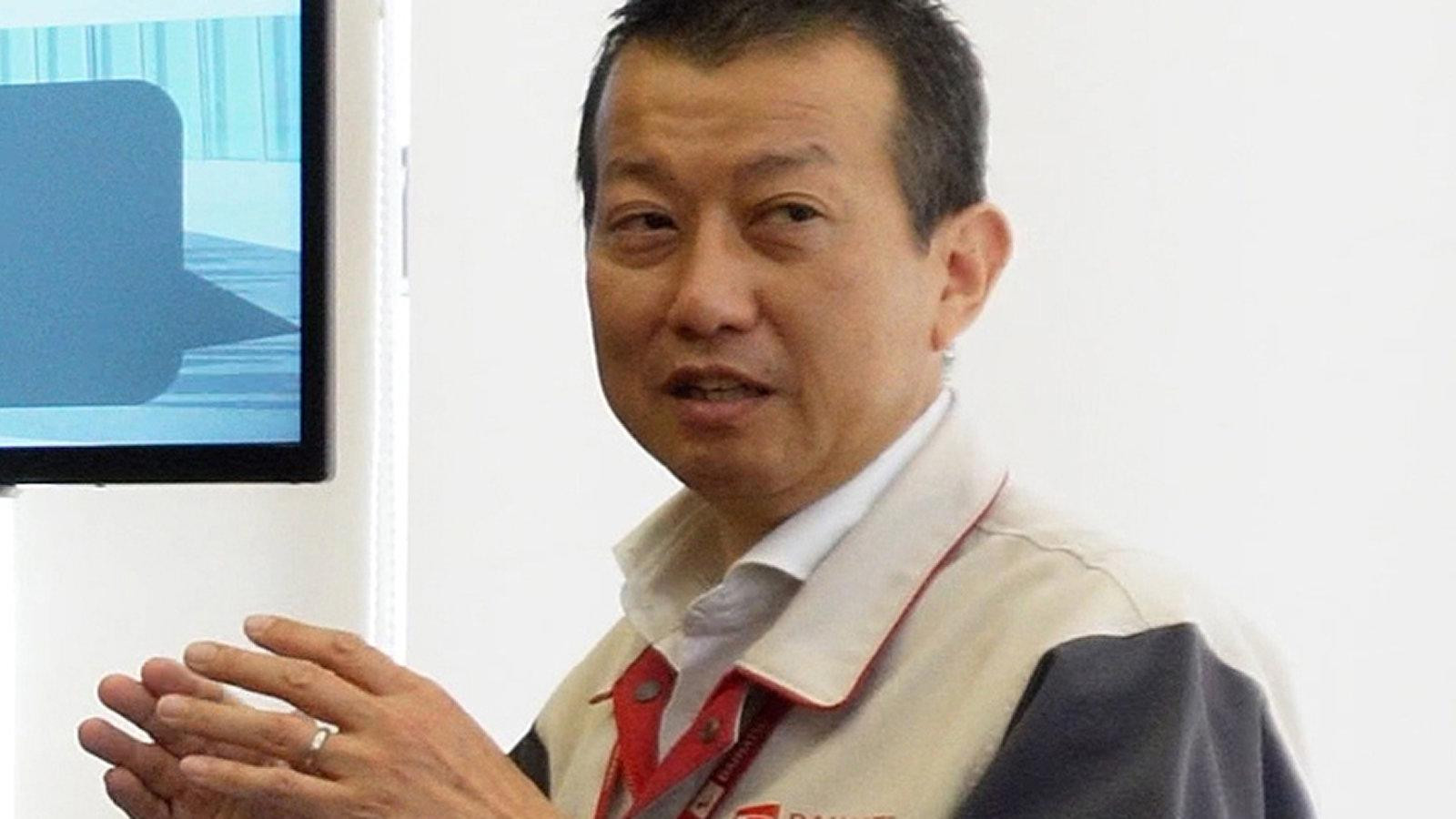
Mr. Kobayashi Now, let’s look back on the past 10 years since the establishment of the Kyushu Development Center. The period until 2016 was an era where “speed” and “change” were demanded above all else. Back then, we had to do reports to top management every other week, and it all boiled down to how we could report the results for each development and initiative at the center. Everyone would come rushing in for these meetings and then rush back out… It felt like a storm (laughs).
Mr. Matsuda Back then, the attitude wasn’t to “think before you run” but rather to “think while you run.” To keep up with “speed,” the conventional approach of arming ourselves with theory, meticulously preparing, and then acting was no longer sufficient. We needed to “change” our approach: first move while repeating trial and error, then think and solve. The underlying thought driving both “speed” and “change” was “breaking away from Ikeda”—a departure from conventional methods. This wasn’t about rejecting Head (Ikeda) Plant where development was based. Rather, it became a catalyst to rethink from scratch everything from the organization’s structure to development methods—without simply accepting what had been done at Ikeda as fact.
The Era of Promoting the Development of Unique Fundamental Technologies
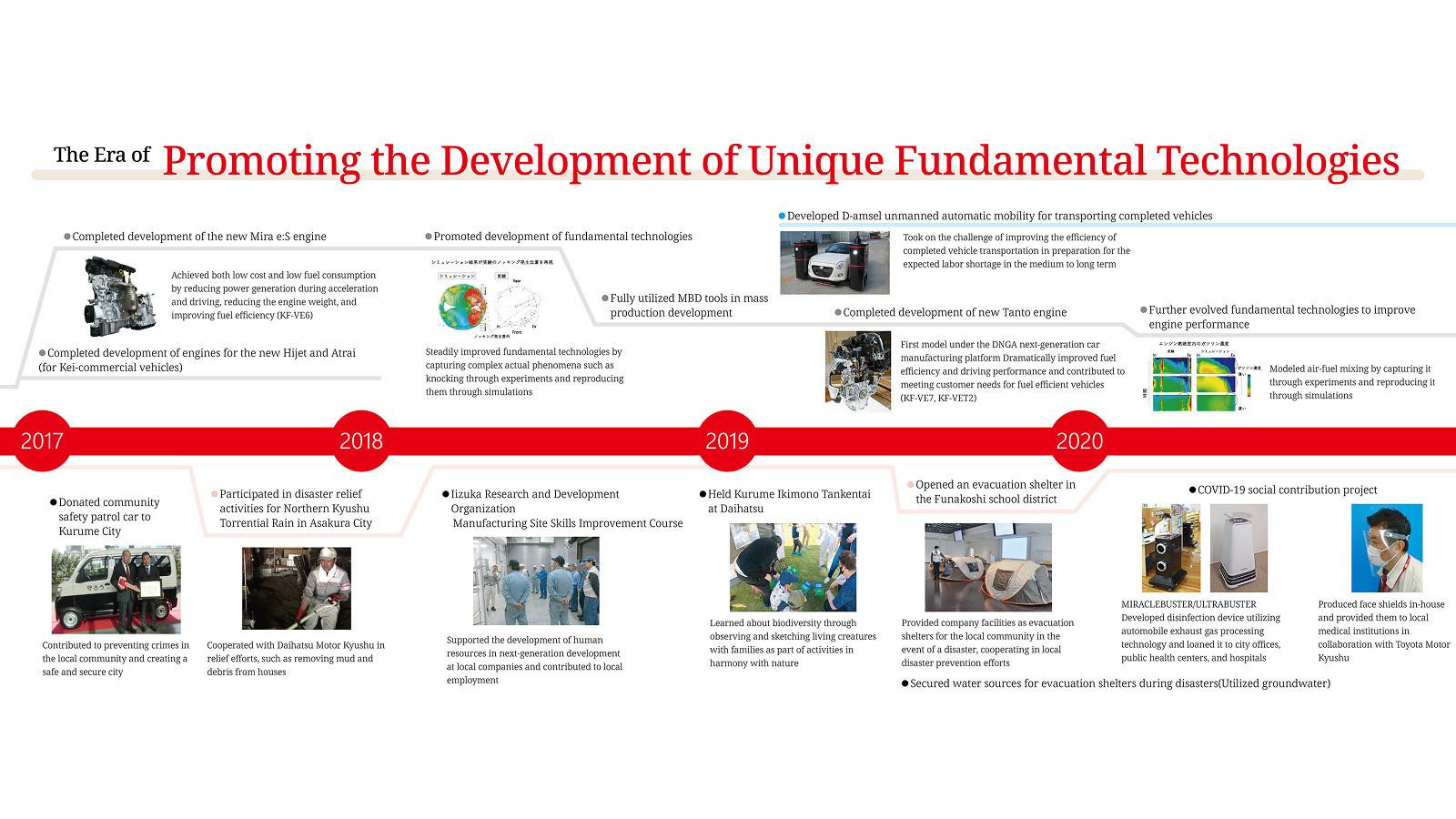
Mr. Kobayashi The period from late 2016 to 2018 was an era of “division” and “unity.” Daihatsu became a wholly owned subsidiary, causing significant internal upheaval. As a result, the Kyushu Development Center’s position within Daihatsu began to be questioned from multiple angles. What could we do? What should we do? How should we be? Members within the center became quite confused, and everyone’s feelings became “divided.”
We decided to pause and first identify the issues at the center, conducting a survey of all members in regard to work, workplace environment, interpersonal relationships, and various other aspects. To address every single problem and issue that emerged, all managers crossed organizational boundaries, sat down together, and held discussions every evening. I believe these barrier-breaking candid discussions and actions of reform marked a period of “unity,” laying the foundation for the center’s culture.
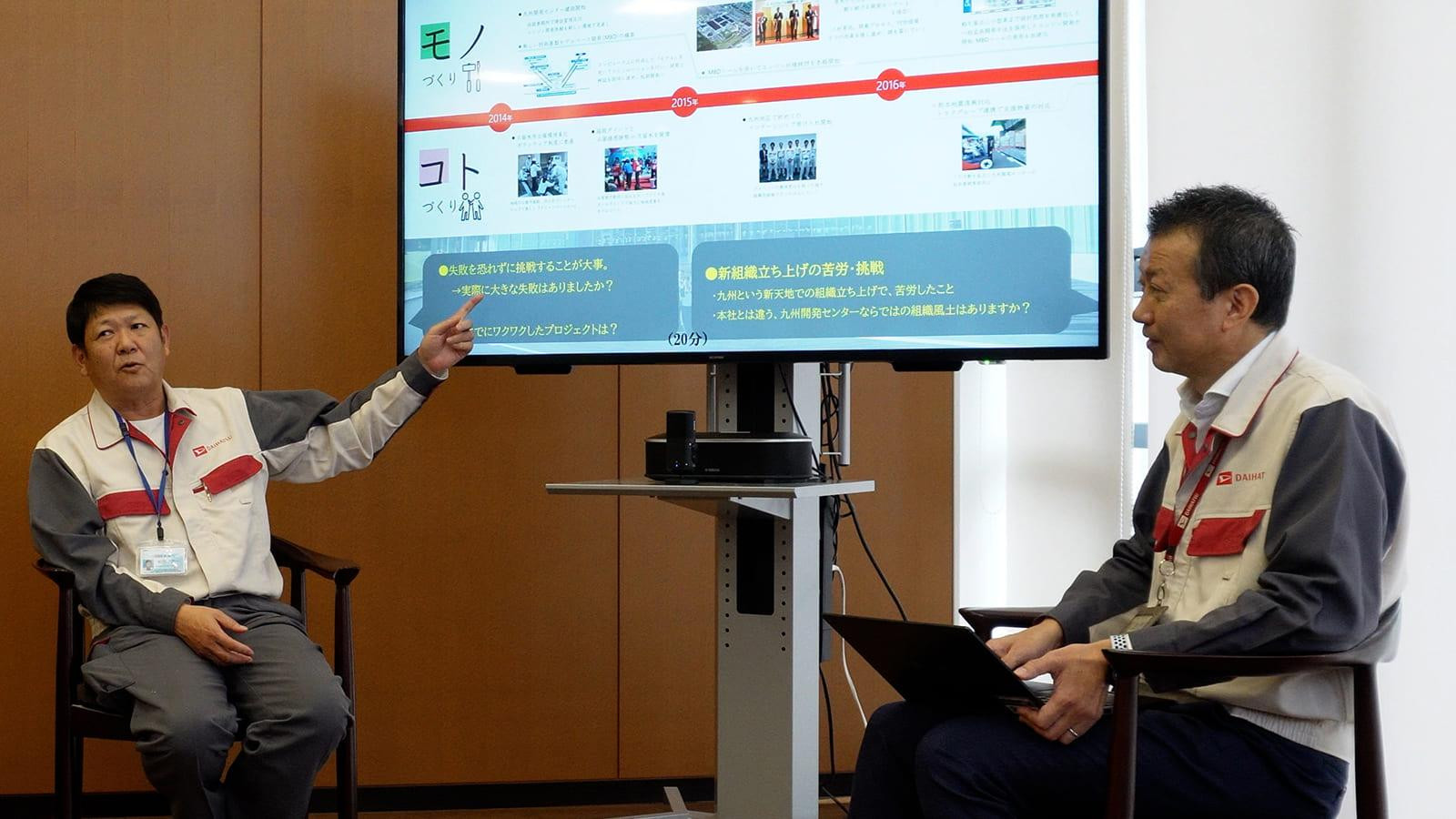
Mr. Matsuda That’s absolutely right. The Kyushu Development Center was an organization composed of the development division, production engineering division, manufacturing division, corporate division, and locally hired (Kyushu) staff. In reality, their approaches and rules differed slightly depending on their background. These subtle differences had gradually led to misunderstandings and distortions over time. At this juncture, by everyone uniting, carefully discussing each point, and “deciding” together, a new chemical reaction occurred. I believe this ultimately gave birth to an entirely new culture that was distinct from Head (Ikeda) Plant. It was a period when different cultures “integrated” and the center’s uniqueness emerged.
Mr. Kobayashi The topics we discussed were pretty trivial a lot of the time (laughs).
Mr. Matsuda Yeah. Like whether it was correct to fold the cuffs of our work pants outward or inward…and stuff like that (laughs).
Mr. Kobayashi I even explained at length why folding it outwards wasn’t the way to go… We took the time to have serious conversations with everyone, from matters big to small.
Mr. Matsuda From the outside, some of the discussions might make people wonder, “Is this really what managers spend their time doing?” However, I believe the experience of seriously addressing each problem and carefully deliberating solutions was extremely good training for the Kyushu Development Center’s managers.
The Era of Promoting Advanced Technology and Developing New Business
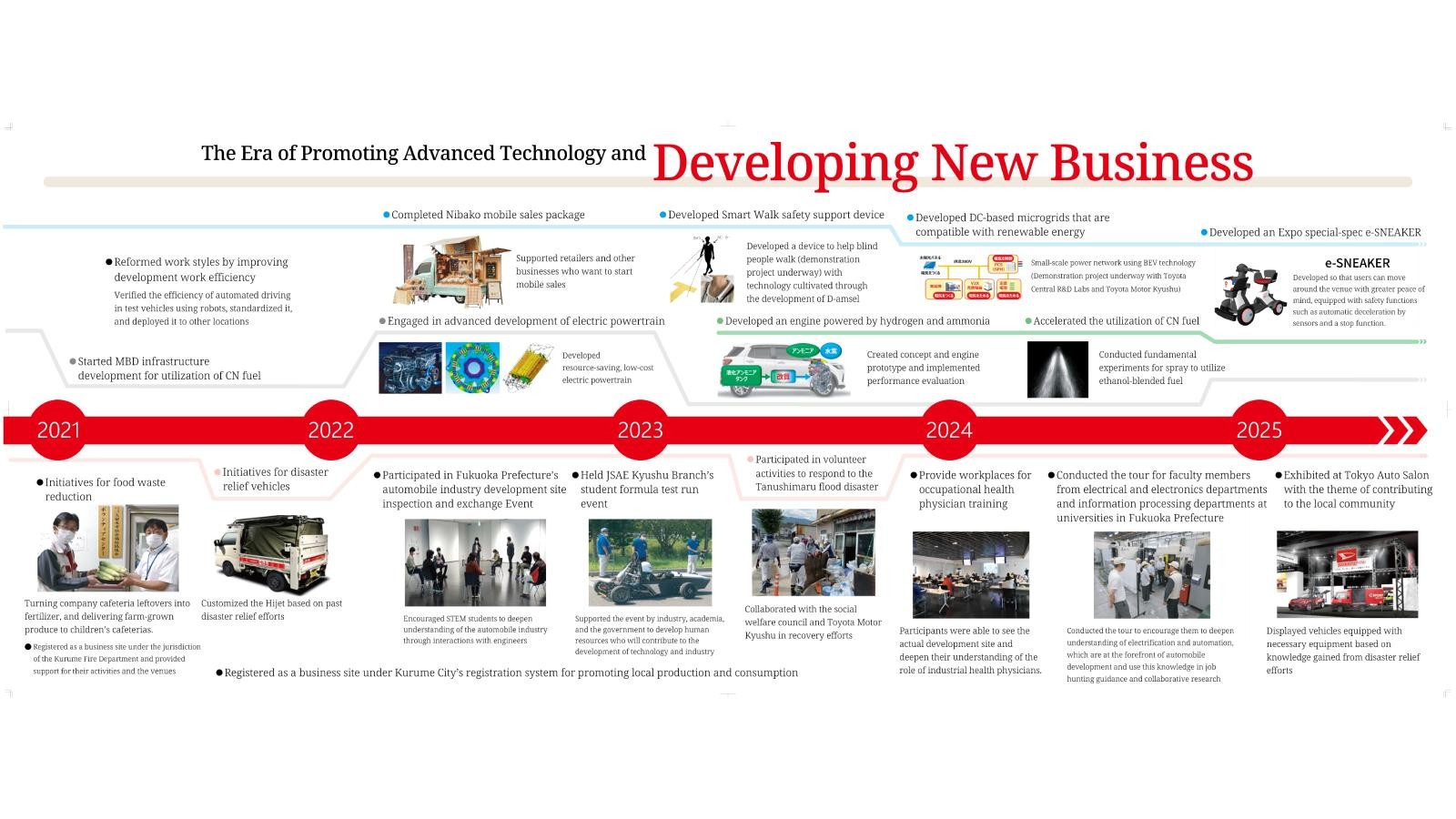
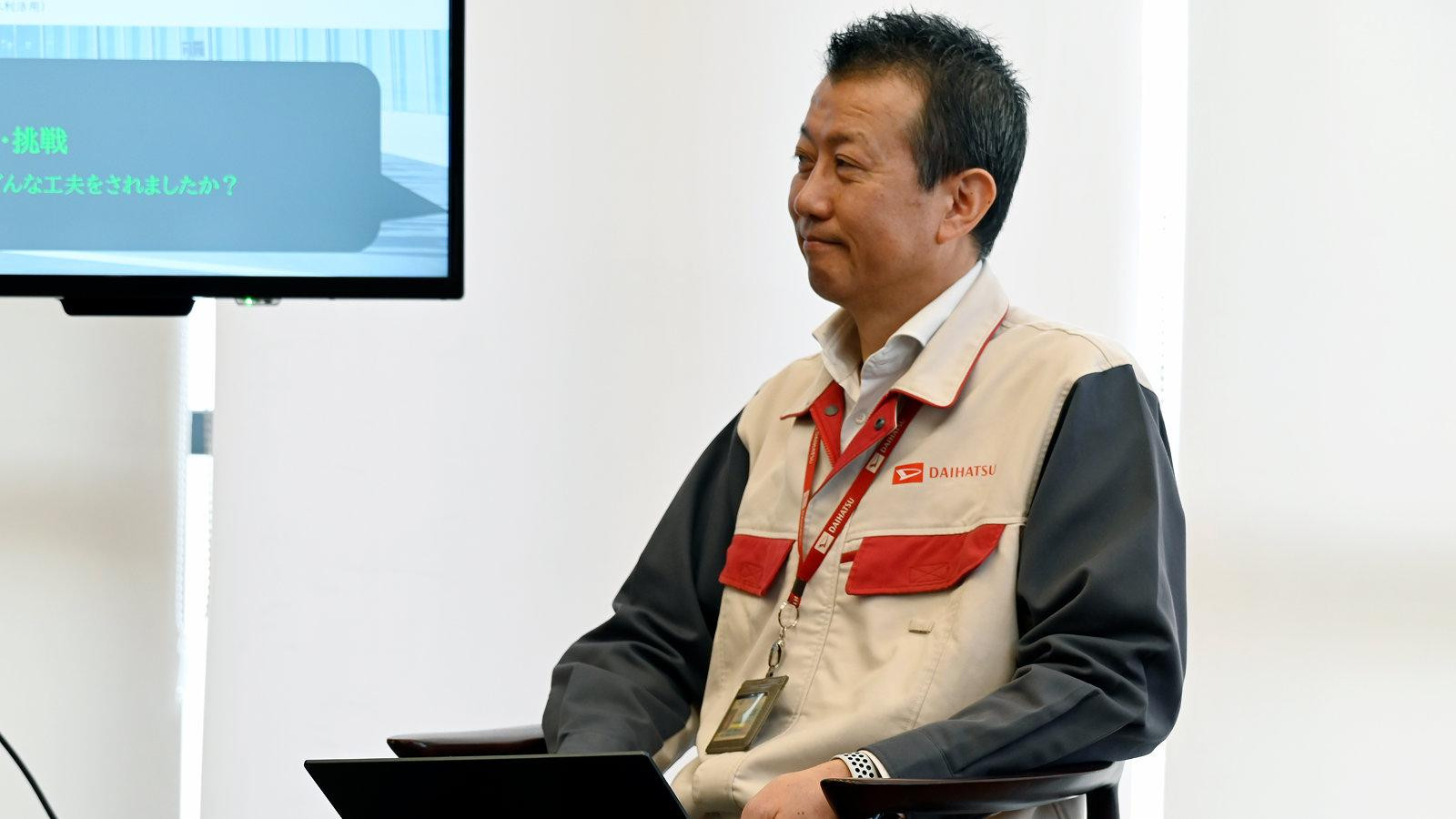
Mr. Kobayashi I believe this was a period of “uniqueness” and “integration.” Through our collective thinking and efforts since 2016, it was a time when a “uniqueness” that was distinct from Head (Ikeda) Plant emerged.
However, while we struggled to manage on our own in Kyushu, we also came to understand that uniqueness cannot sustain independence. Even something as simple as creating a drawing for a single part and having it manufactured required the cooperation of Head (Ikeda) Plant’s divisions—we wouldn’t be able to do it without them. Therefore, rather than striving alone in Kyushu, it became necessary to “integrate” with Head (Ikeda) Plant and ensure a clear path forward. To achieve this, we felt it essential for Head (Ikeda) Plant to understand our work. We proactively disseminated information about our various initiatives by hosting exhibitions of our advanced development projects, as well as sharing examples of the Kyushu Development Center’s diverse work styles and workplace environment reforms with Head (Ikeda) Plant.
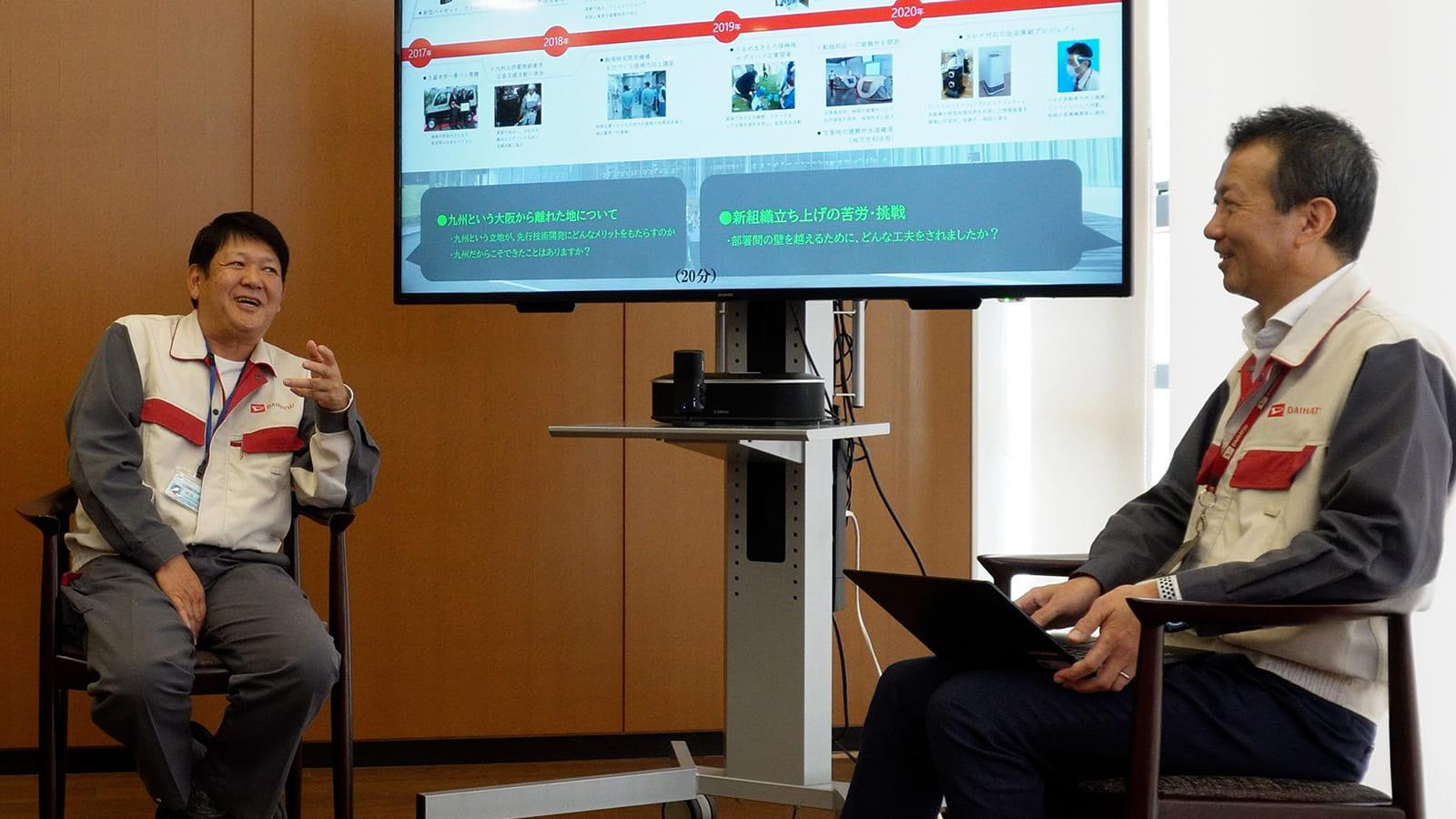
Mr. Matsuda That’s right. It was a time when my emotions ran high—perhaps the most fulfilling period of my career. Particularly in 2019, the Car and Life-style R&D Division (a division researching the application of automobile technology in daily life) merged with a division of the Kyushu Development Center, and they began working together. Witnessing them advance from a completely different perspective made me realize, “Can we really go this far?!” After that, something just snapped…
Mr. Kobayashi We were playing around too much.
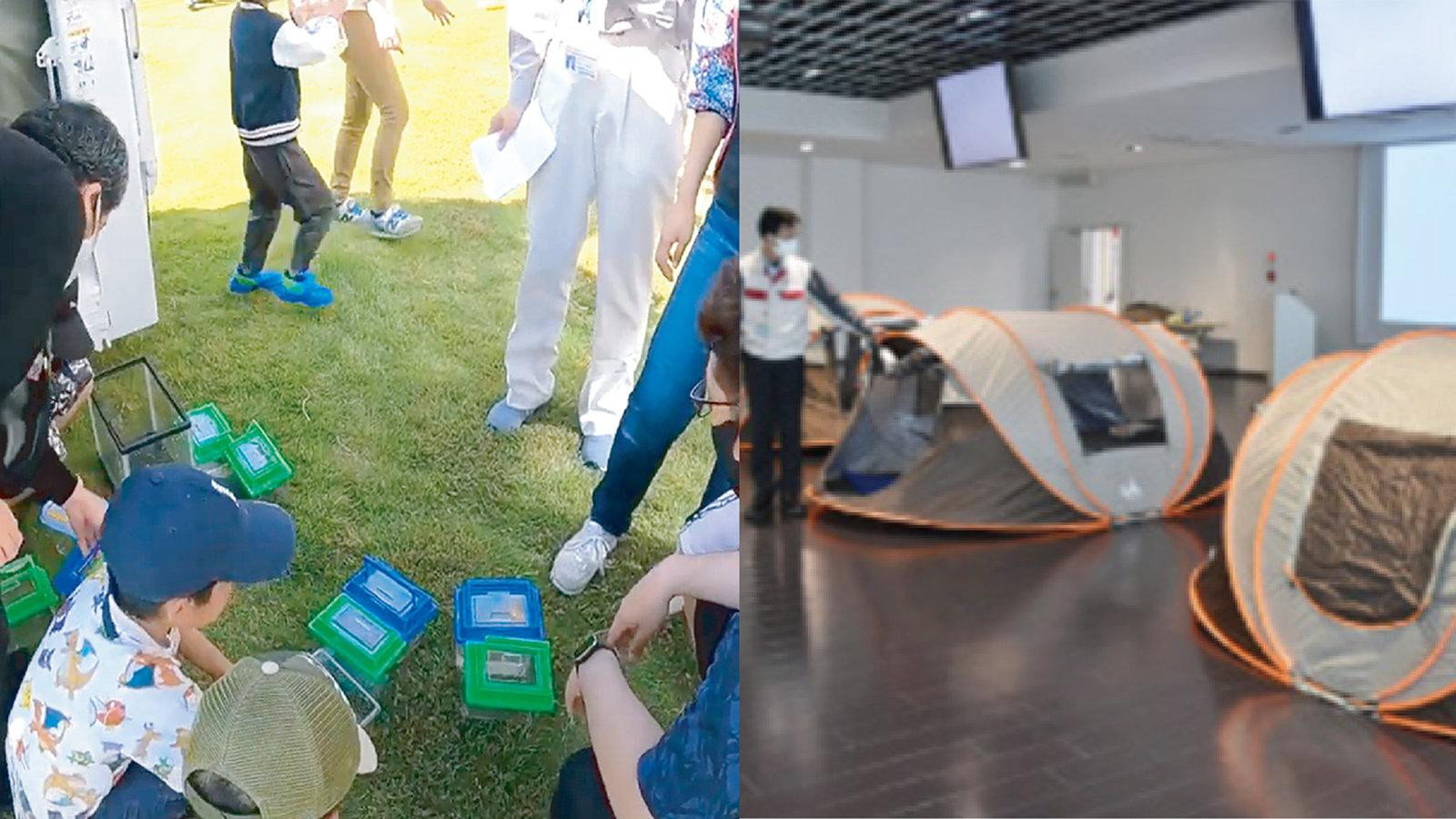
Mr. Matsuda Also, it was around this time that we began to proactively build good relationships with local people, local companies, and Toyota Motor Kyushu. This tradition is still being carried on by members of the Kyushu Development Center, and we continue to have relationships where we can consult with each other personally. I hadn’t had any experience in external affairs activities before then, but I believe it contributed greatly to my growth.
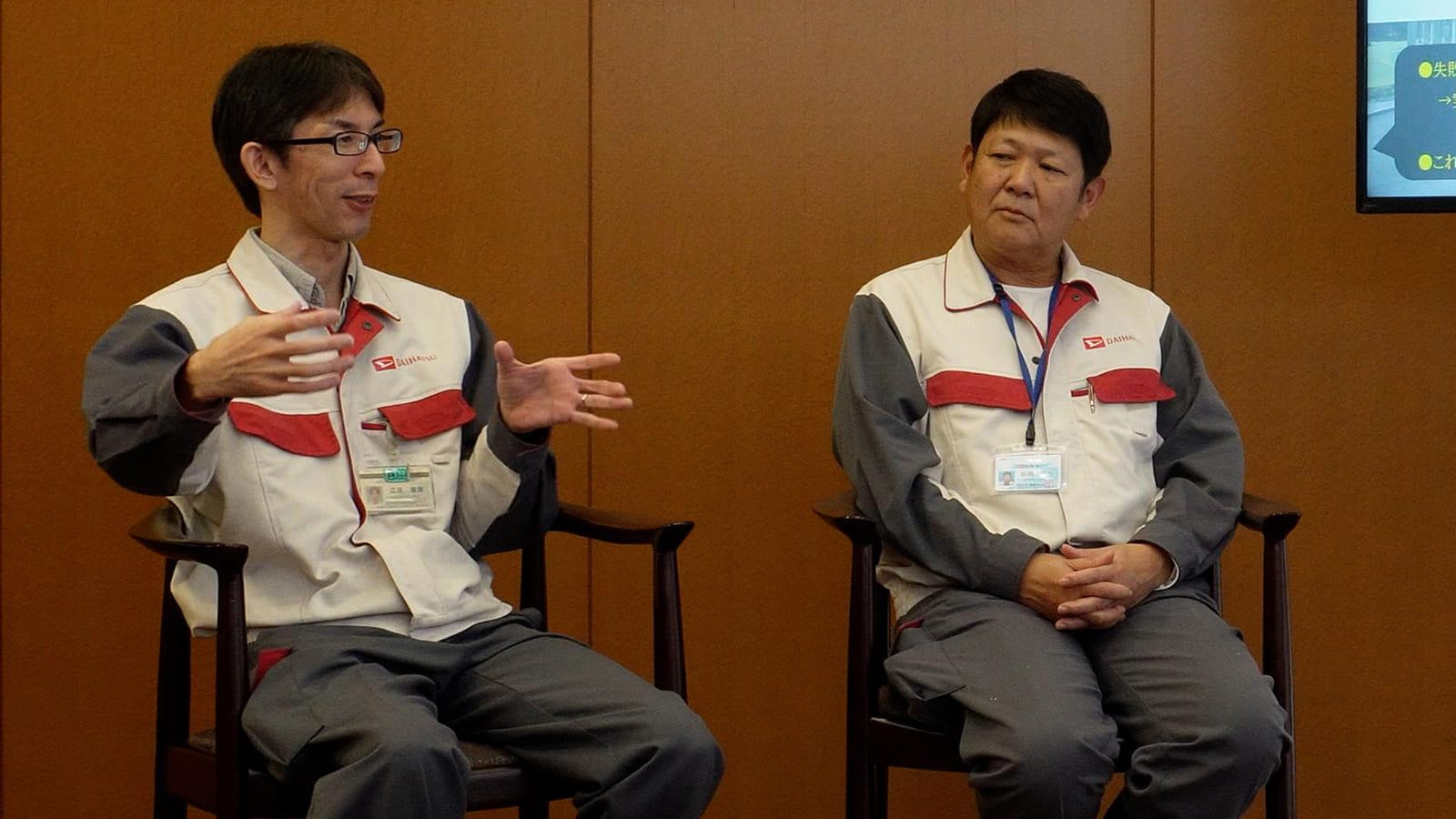
Mr. Kobayashi I also found this period interesting. I think we were able to take initiative, with the leader declaring what we want to do and then working with the members to develop the related technology. Some of the initiatives we started back then are still ongoing today, while others have become the foundation of other development projects.
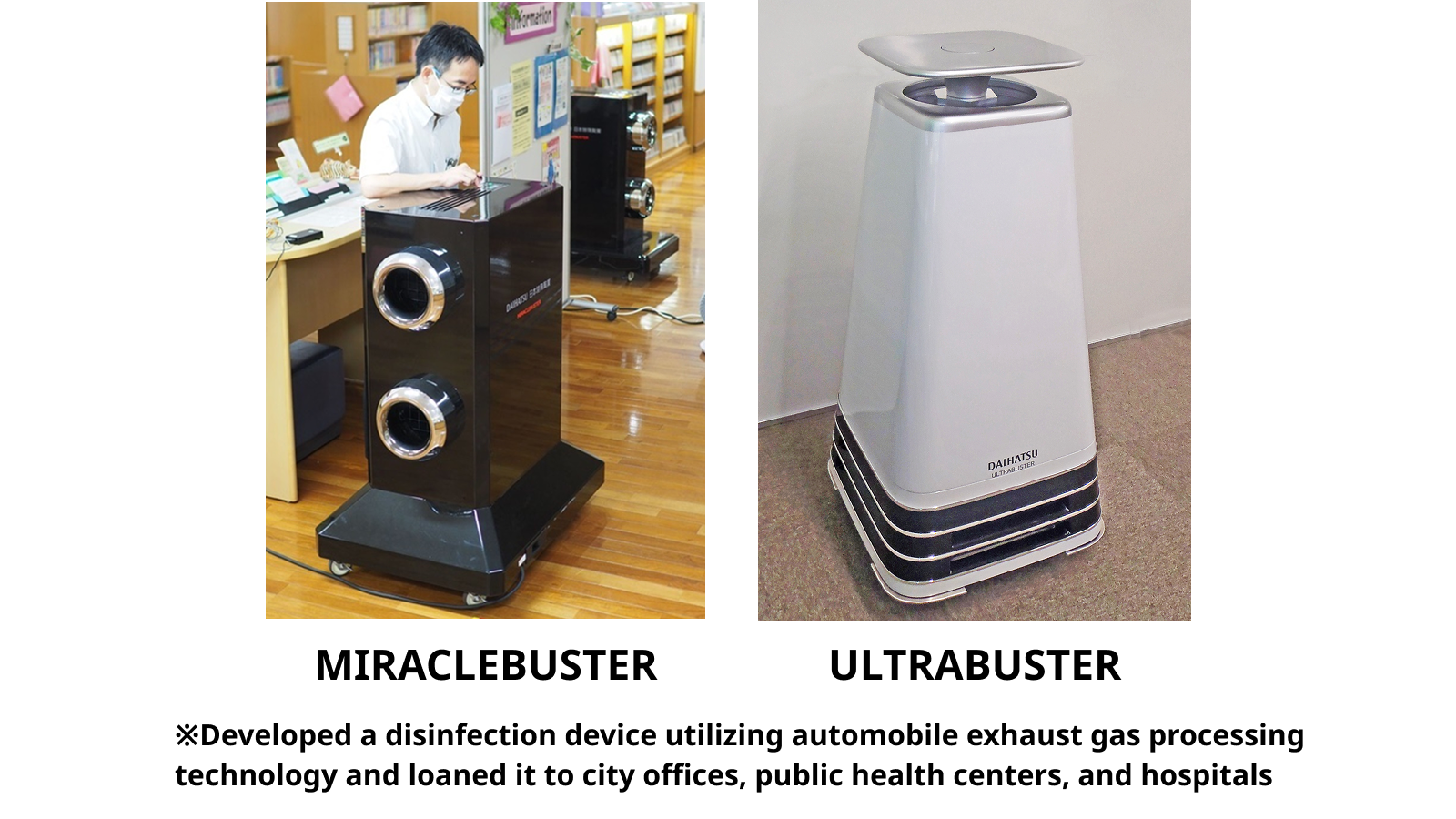
Mr. Ehara That’s right. For example, the MIRACLEBUSTER disinfection device we developed during the COVID-19 pandemic was an application of technology that purifies automobile exhaust gases using plasma. At first, we were told that we didn’t need to develop it anymore, but we continued working quietly and steadily, and before we knew it, we were able to put the technology to good use.
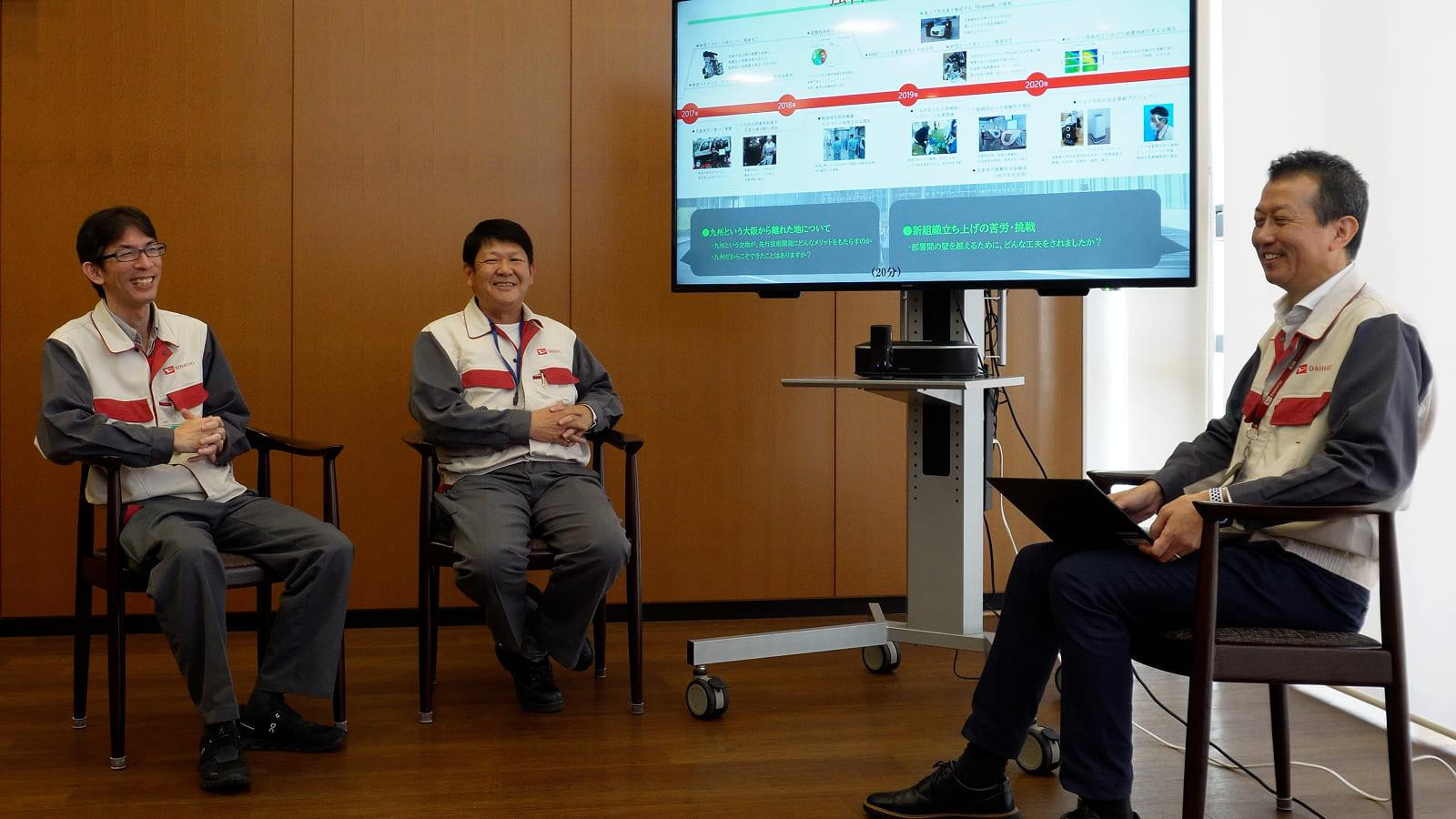
The Road Ahead
In the Styling Division I used to belong to, we were similarly divided into the areas of mass production development and advanced development. Listening to what these key figures had to say, I felt there are many common points, such as the necessity of physical distance between the two areas and their approaches to human resources development. The struggle of creating something from scratch in advanced development and the effort of refining it in mass production development are both essential and crucial phases in car manufacturing. Furthermore, Daihatsu has organizations responsible for various advanced development projects beyond just technology and styling. I personally want to continue to support their advanced initiatives in products, technologies, and services that capture customer needs.
Looking ahead to the next 10 years, the Daihatsu Group Kyushu Development Center will continue to take on challenges through the development of advanced technologies that will shock the world, as well as the establishment of strong ties with the local community!
▽ Video production: Iwamoto (filming), Yamada (filming), Uegaito (filming and editing)
The people in this article
R&D Infrastructure Development Division
Matsuda
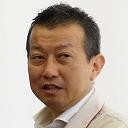
“Three Pledges” and Reform Advancement Division
Kobayashi
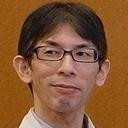
Powertrain Development Division
Ehara