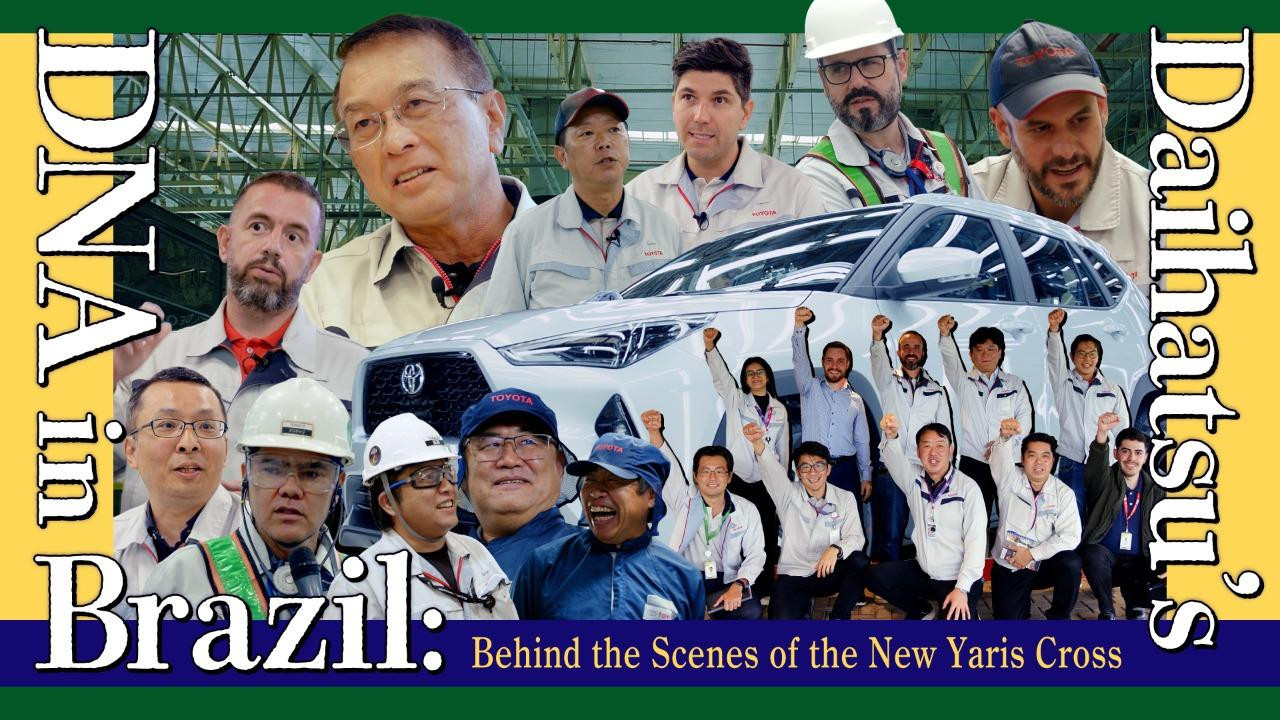
Brazil, the stage for a new challenge that Daihatsu is tackling in partnership with Toyota.
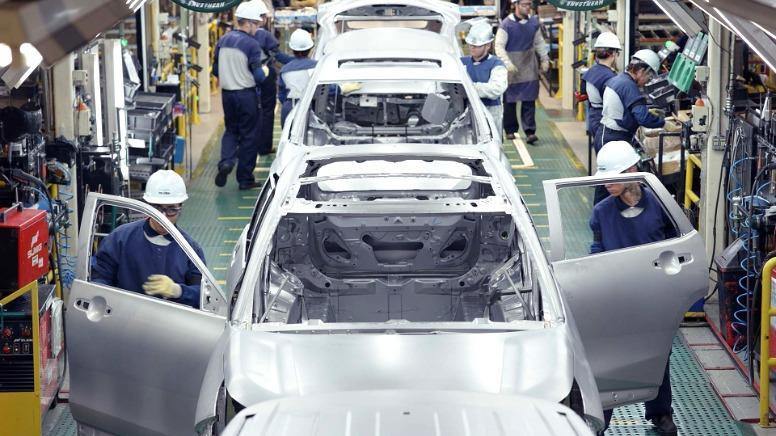
Mass production of the all-new Yaris Cross began in December 2025, with sales starting in February 2026. Ashida from the Inner Communication Dept. (also assigned to this role) was on-site to report on the story behind the scenes!
Daihatsu and Brazil
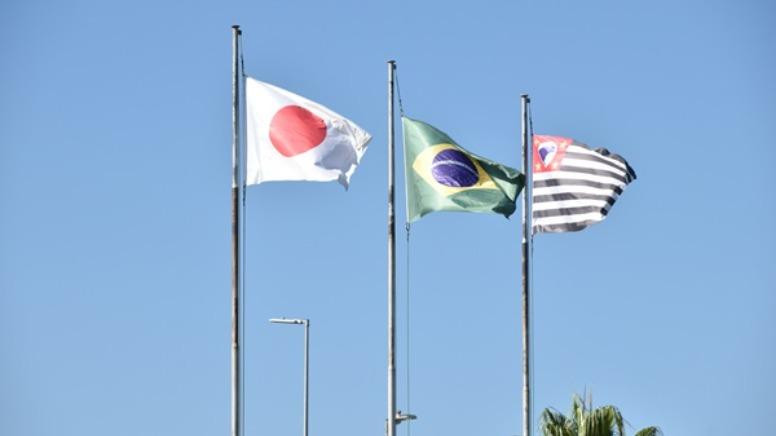
It has been nearly 10 years since Daihatsu Motor Co., Ltd. (Daihatsu) became a wholly owned subsidiary of Toyota Motor Corporation (Toyota) in August 2016. Since then, the collaboration between Toyota and Daihatsu has expanded steadily beyond Japan, particularly in Southeast Asia.
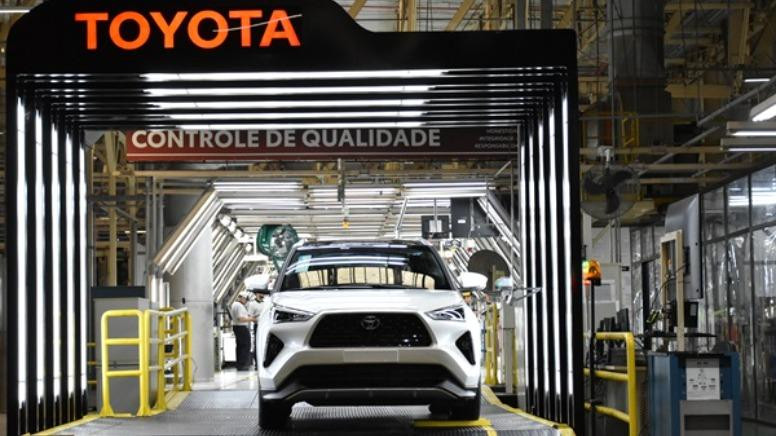
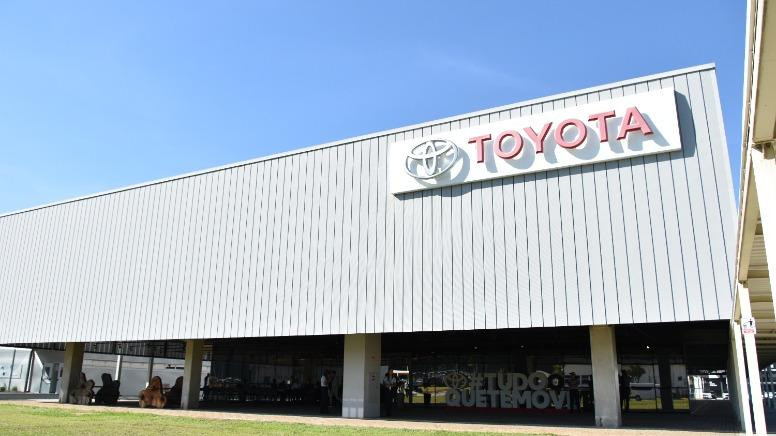
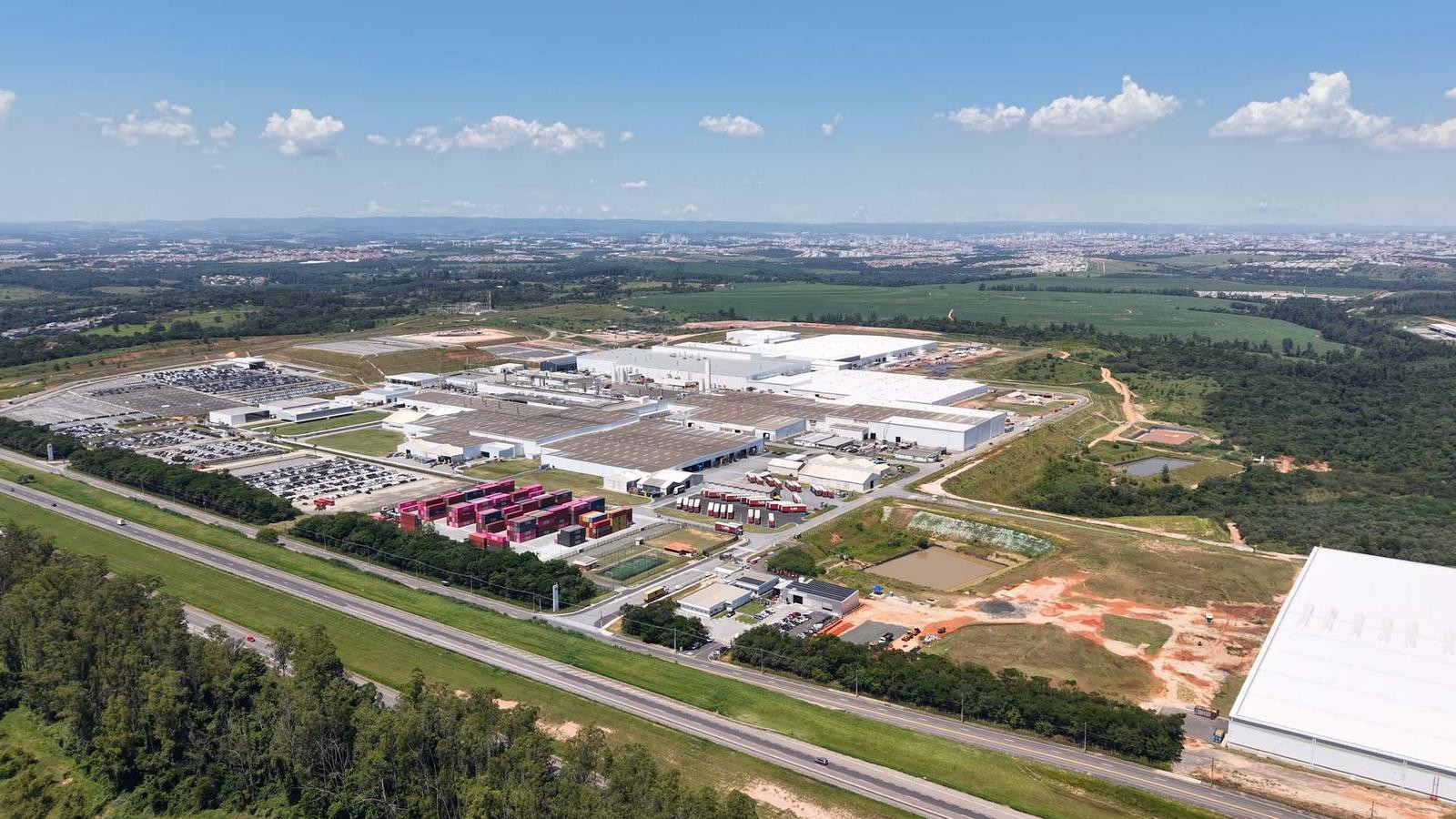
The stage for this story is Brazil. A new joint project between Toyota and Daihatsu has been launched at Toyota do Brasil Ltda. (TDB), which began vehicle production in 1959. There are 12 Daihatsu expatriates in Brazil as of 2026, working hard every day.
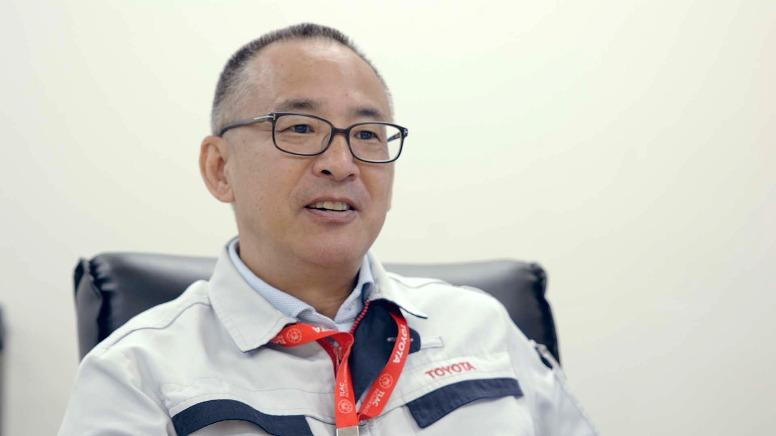
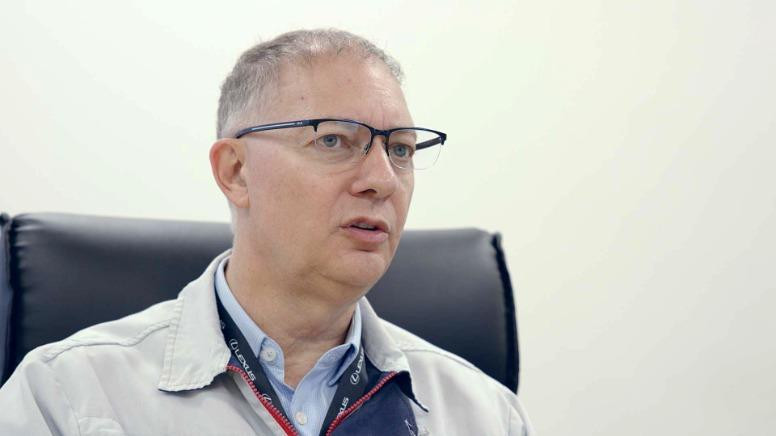
Under the leadership of these two executives, collaboration is underway with the local team.
The Brazilian Automotive Market
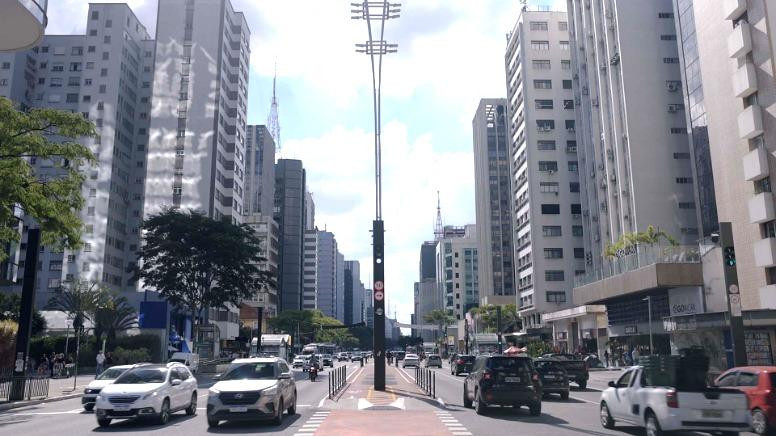
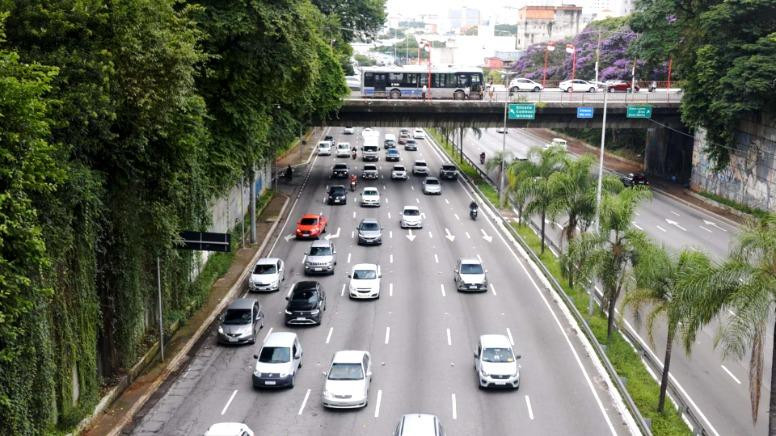
The Brazilian market is characterized by having one of the largest sizes and populations in South America. It features strong demand for B-segment (compact cars) and smaller vehicles, along with a growing SUV market. These market characteristics align well with Daihatsu’s strengths in manufacturing compact and small cars, sharing similarities with the Southeast Asian market.
Furthermore, Brazil serves as a hub for all of South America. Initiatives carried out in Brazil have the potential to lead to expansion into neighboring countries. Given this market potential, Brazil can be described as a crucial setting for Daihatsu to take on new challenges while leveraging the experience gained through collaboration in Southeast Asia.
FS Activities that Paved the Way for Collaboration
The collaboration between Toyota and Daihatsu in Brazil was supported by persistent and cumulative feasibility- study (FS) activities.
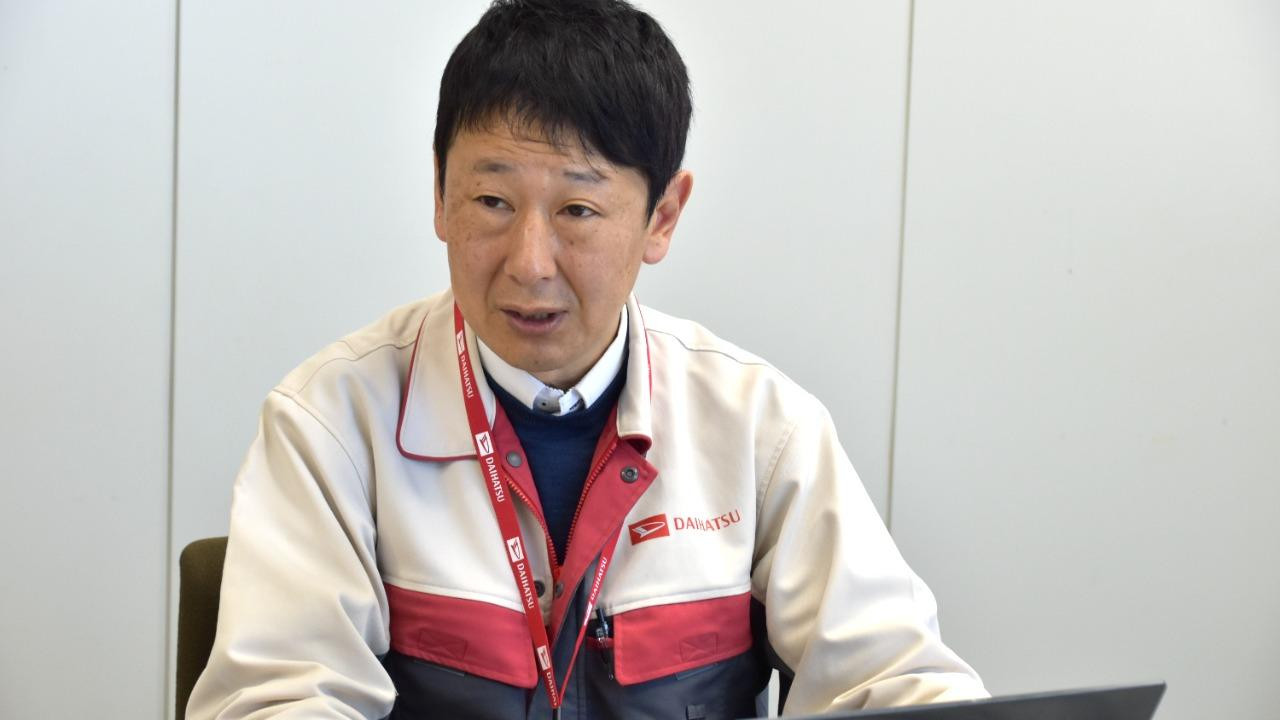
We spoke with Kotani-san of the Business Planning Div. about the FS activities at that time.
2019: Tighter emissions regulations led to collaboration
This project began when the opinion arose within Toyota that a competitive vehicle powered by Brazilian-made NR engines should be considered as an option in response to stricter emissions regulations in Brazil. Daihatsu also believed it could contribute to the project’s competitiveness and decided to join. First, teams from R&D, purchasing, and production engineering visited local suppliers and TDB’s plants to conduct market research and explore the potential for local procurement.
2020: Working out specifications and pricing remotely amid the COVID-19 pandemic
The COVID-19 pandemic forced us to conduct all communications with the local team remotely. We shared drawings with suppliers to request quotes and shared videos of Daihatsu’s plants with TDB to help them better understand Daihatsu’s approach. We also repeatedly explained budget considerations and Daihatsu’s unique Simple, Slim and Compact (SSC) (to be mentioned later ) concept to Inoue-san, Chief Executive Officer of Toyota's Latin America & Caribbean Region at the time (now President of Daihatsu).
2021: Securing cost reductions through local business trips
With travel severely restricted worldwide, there were limits to what could be achieved remotely. Therefore, with special permission from Toyota, we traveled to the site to verify the details of the quotes. Once there, we visited plants and suppliers, and then verified the details at the hotel while calculating the costs. When we determined that design changes to parts or structures were necessary, we proceeded flexibly while obtaining approval from top management.
Overcoming a challenging environment with partners
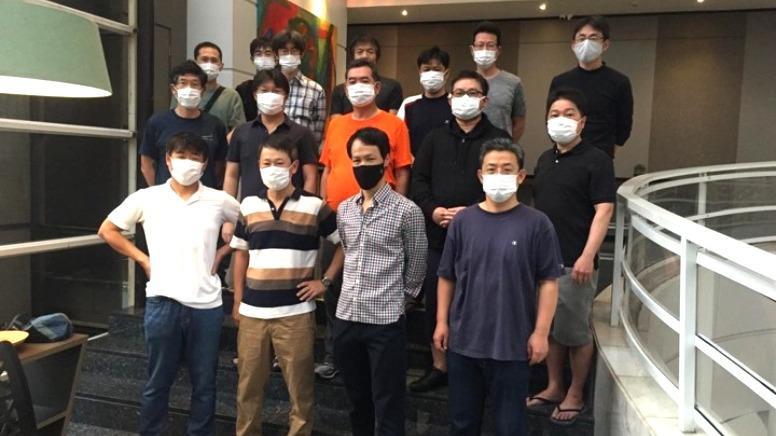
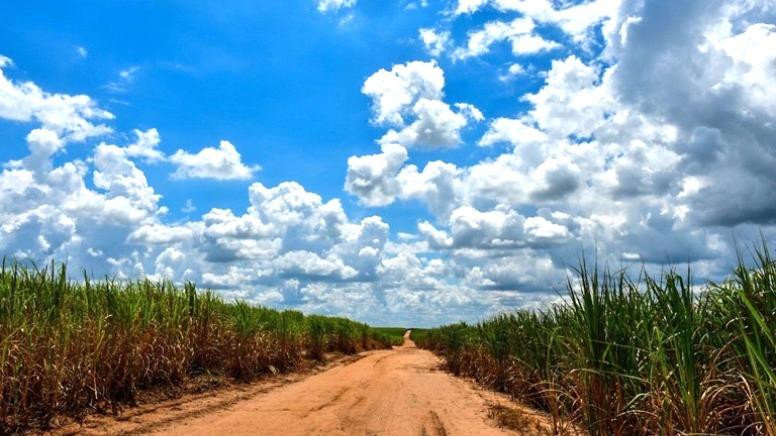
With restaurants closed, we relied on Uber Eats for meals every day. On days off, we took walks through sugarcane fields to deepen our understanding of ethanol, a biofuel unique to Brazil. The environment was challenging, but we overcame it with the support of our partners from both Daihatsu and Toyota. It was one of the most enjoyable jobs of my life. Having demonstrated profitability through a six-month FS and presented our proposal together with Inoue-san, we secured approval for a local collaboration.
On-site verification and trust were the keys to success
What I learned through this project is that even in difficult circumstances, success is possible through diligent on-site verification and the support of trusted partners. I am proud that we were able to overcome obstacles one step at a time as a team and make this collaboration a reality.
Start of On-Site Collaboration
After many struggles, our collaboration in Brazil officially began in 2022 as Daihatsu’s next challenge. We spoke with Yoshikawa-san, a Daihatsu expatriate still working hard in Brazil.
Daihatsu-style MONODUKURI
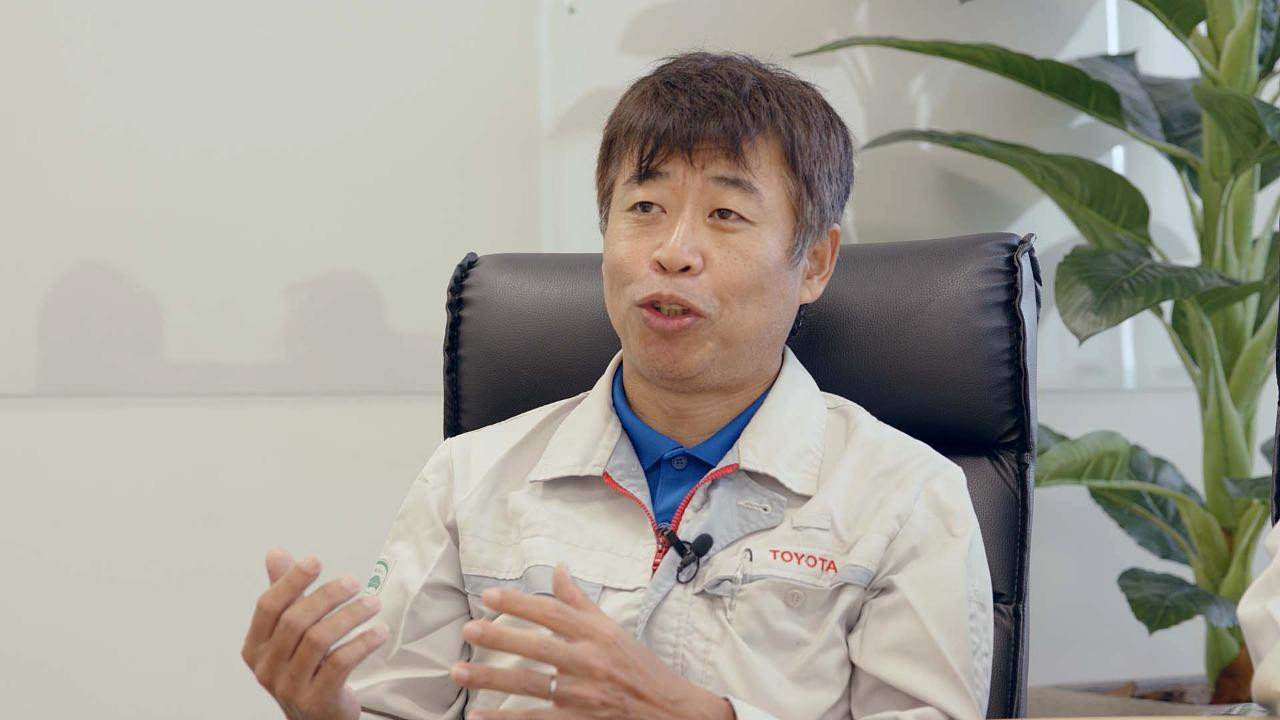
I’ve had a long-standing relationship with TDB and have been involved in this project alongside Kotani-san since the FS in 2019. In 2019, we formulated hypotheses and developed the plan on-site. In 2021, professionals from various fields worked with suppliers and TDB to refine the proposal through repeated demonstrations. Then, in 2022, Daihatsu expatriates put it into action. This entire process, from planning to validation and execution, is what I believe to be Daihatsu’s true strength. When I was sent to TDB, I received a mission from TDB’s top management, led by Inoue-san, to combine the best aspects of Toyota and Daihatsu. I began working with Yoshimura-san from TDB, who was in charge of the plant.
Conveying the essence of SSC
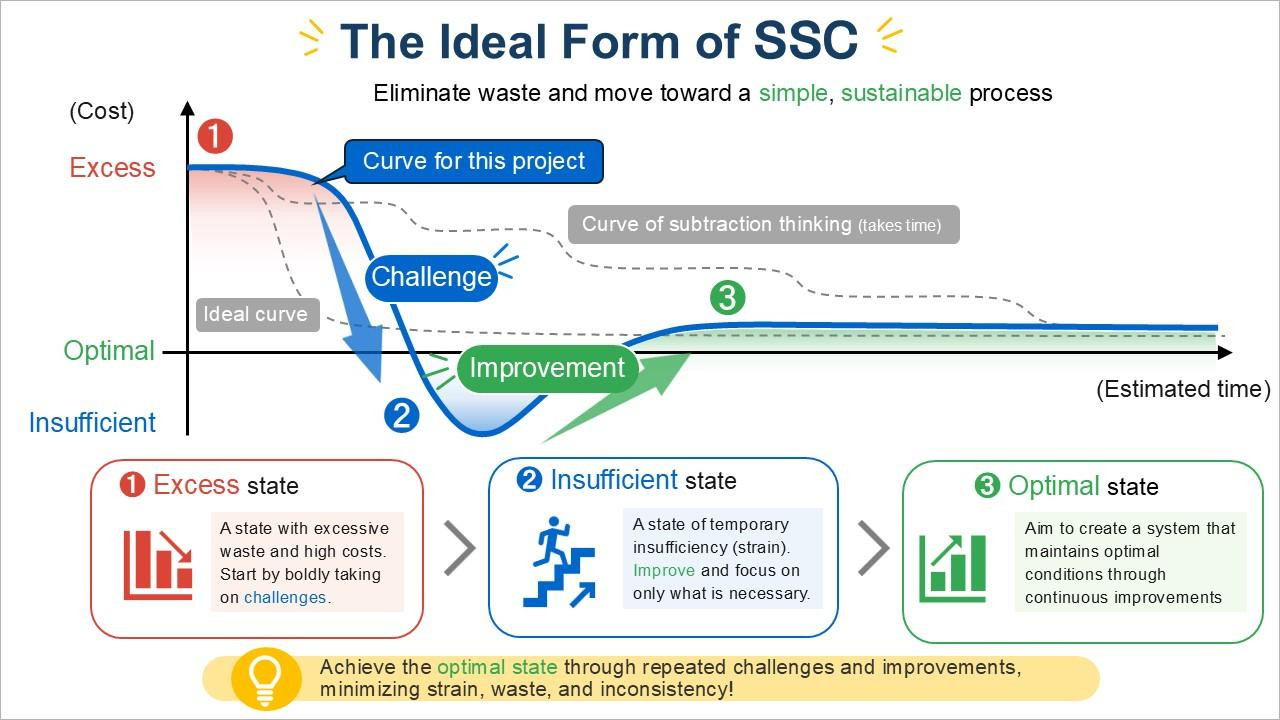
Daihatsu’s “Simple, Slim, Compact (SSC)” concept tends to be understood only at the surface level on site, with comments like “the jigs have gotten smaller” or “the layout has become more compact.” However, SSC is not merely a method for downsizing equipment. It is a concept that is based on the thorough implementation of the 4S 5 Sets approach, which forms the foundation of Toyota’s philosophy. The key lies in the underlying spirit of taking on challenges and the autonomy of work sites. Through repeated dialogue with TDB and by explaining in detail that Daihatsu’s approach does not contradict Toyota’s culture but that their essence is the same, we have gradually helped them understand the advantages of Daihatsu’s approach, which ultimately led to this collaboration.
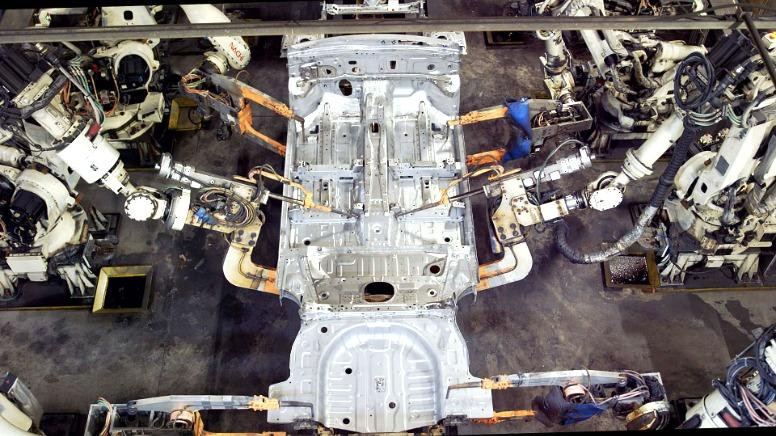
The unsung heroes! Support from team members at the Indaiatuba Plant team
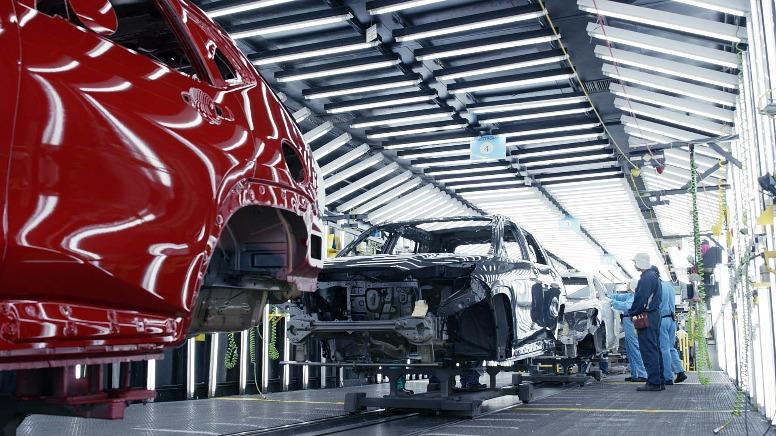
The Indaiatuba Plant of TDB also played an essential role in this project at the Sorocaba Plant. They took the lead in adopting SSC and, through repeated demonstrations, shared their expertise with the Sorocaba Plant. It is thanks to these behind-the-scenes efforts that our current production system is in place. I would like to emphasize that this collaboration was made possible only through the Indaiatuba Plant’s proactive and steady efforts.
Collaboration Gains Momentum with the All-New Yaris Cross
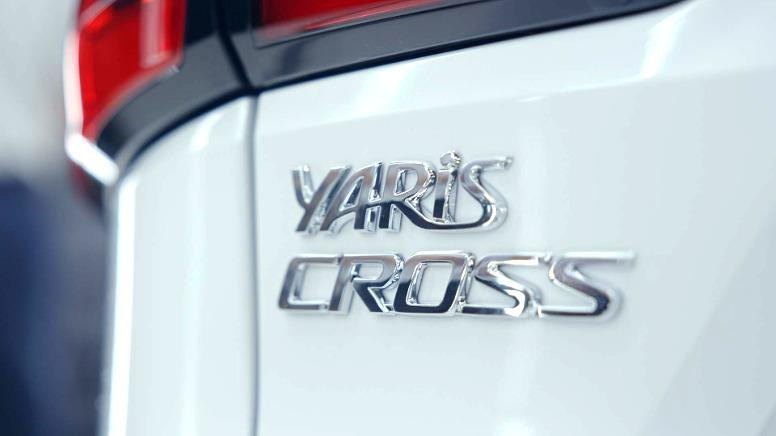
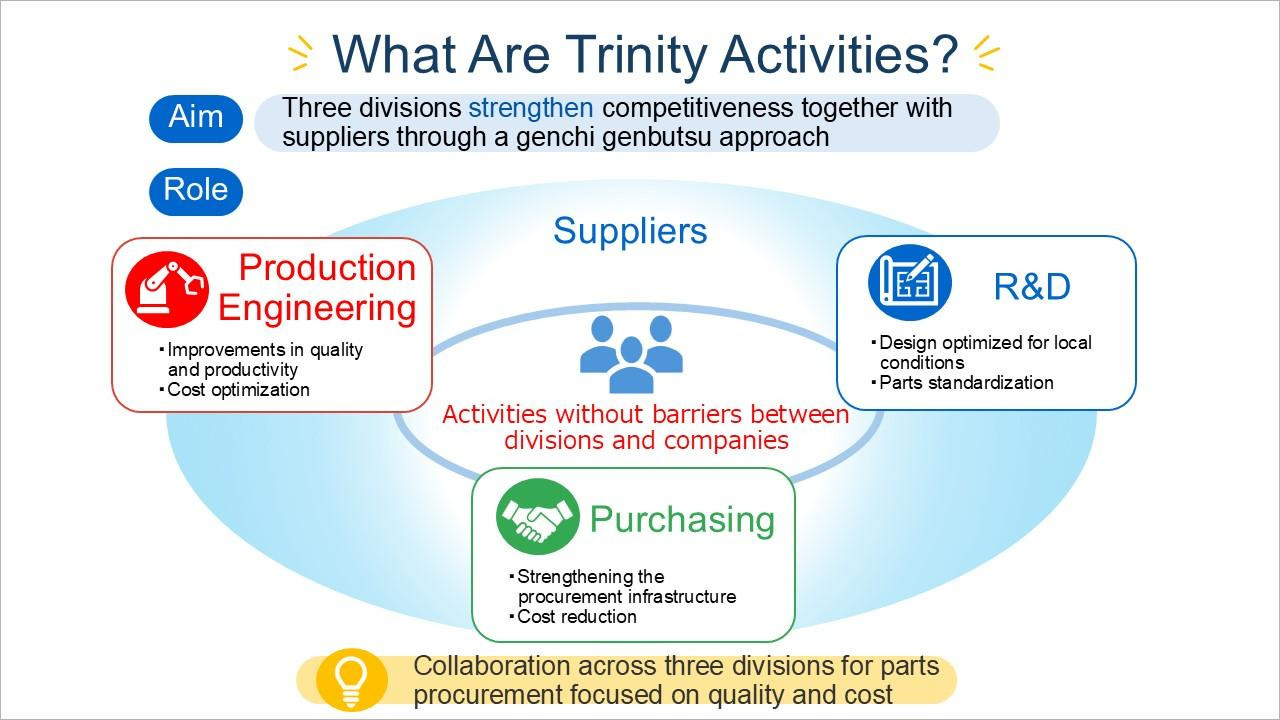
The all-new Yaris Cross was launched in 2025 in Brazil’s booming B-segment SUV market. Daihatsu supported the project as “one team” with Toyota across the areas of development, purchasing, and production to create a high-quality, affordable vehicle perfectly tailored to the Brazilian market and to ensure localization. We spoke with Komobuchi-san, who led the “Trinity activities” central to supplier development.
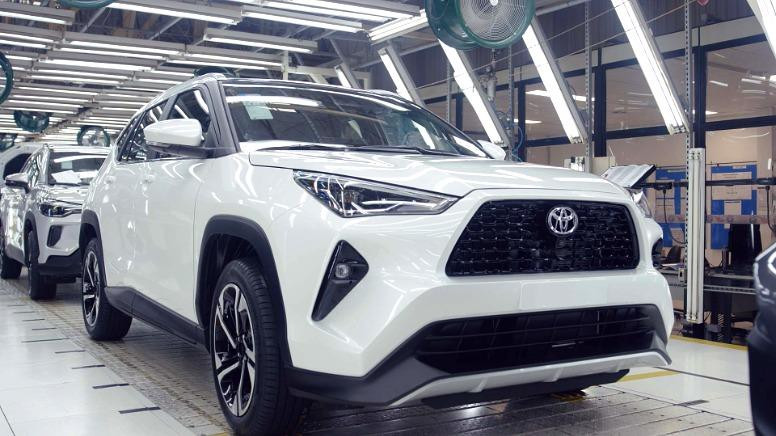
The Trinity Activities That Supported the All-New Yaris Cross
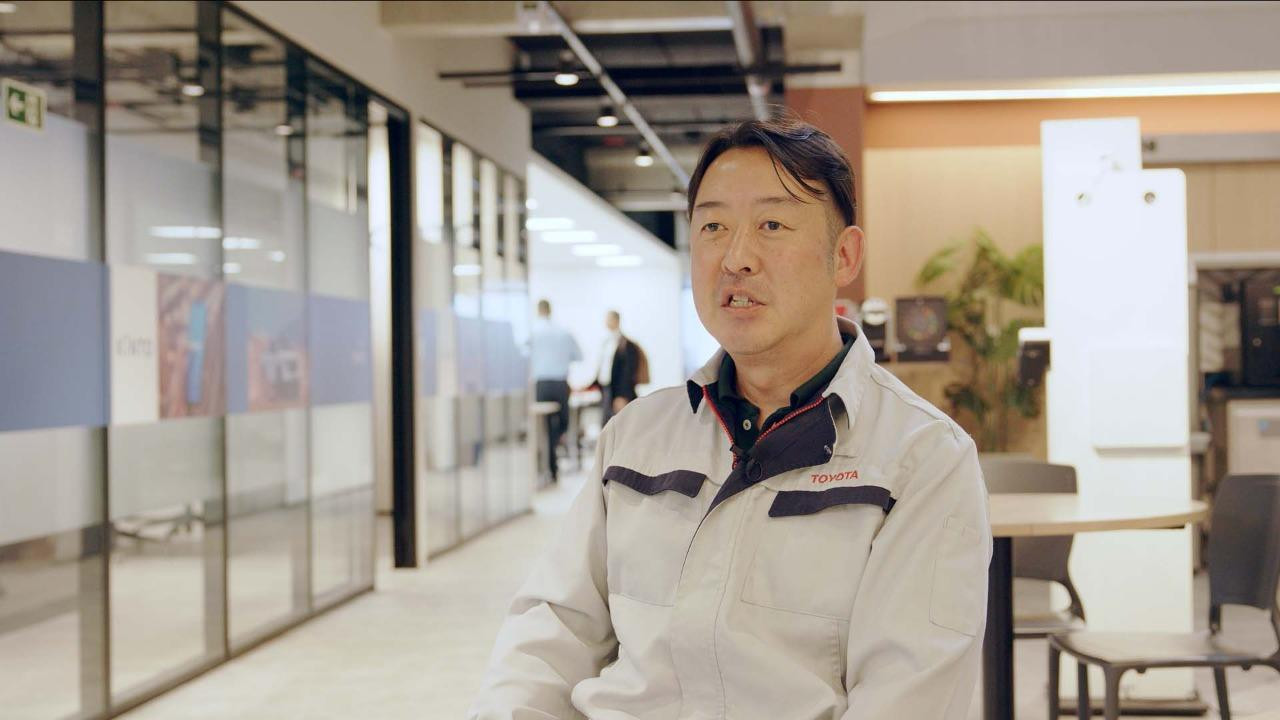
Cost improvement and infrastructure development for suppliers
For the Yaris Cross project, we launched Trinity activities aimed at enhancing our suppliers’ competitiveness. I served as the leader of the production engineering team for those activities. Later on, I also took on the role of development project leader. Working alongside the TDB team to refine the Yaris Cross into a competitive vehicle gave me a great sense of accomplishment.
Embedding the SSC concept on-site
Another achievement was extending Daihatsu’s SSC concept to suppliers, which laid the foundation for continuous improvement. SSC is a zero-based methodology, so gaining understanding regarding the parts-based approach and budgetary considerations was not easy, and we ran into obstacles many times. Nevertheless, through repeated dialogue, suppliers ultimately came to accept the SSC concept, and we were able to establish a framework for continuous improvement.
Sharing and solving issues through a genchi genbutsu approach
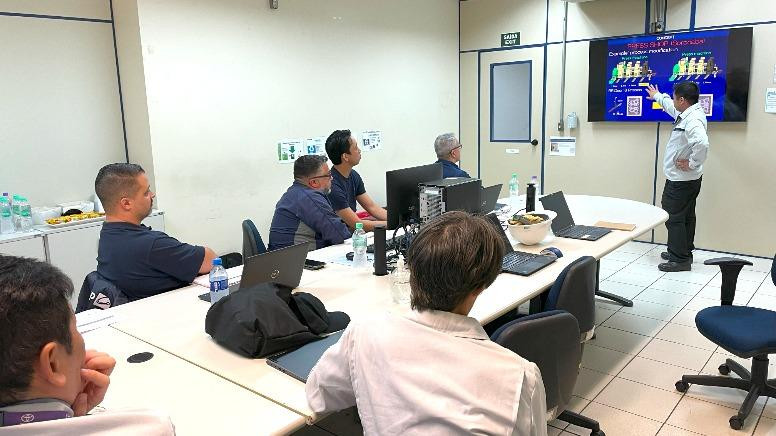
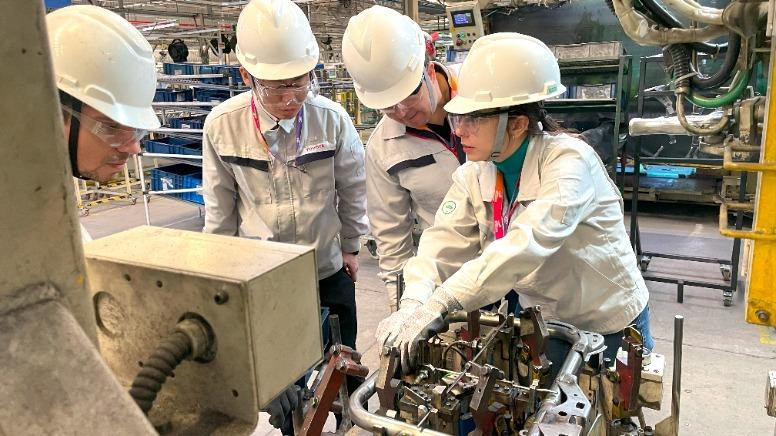
When assessing the quality status of our suppliers or the validity of their quotes, we didn’t just review the information at our desks. We always made a point of visiting the sites in person to verify the actual conditions of the production processes and equipment together. We immersed ourselves deeply in our suppliers’ operations alongside the TDB team, identifying issues and solving them together. I believe it is this cumulative effort that led to the results we achieved.
Towards continuous improvement that strengthens people
We have consistently made proposals not on a per-project basis, but from the perspective of making work easier for employees and empowering them, as well as strengthening and bringing happiness to our suppliers themselves. As a result, a culture of voluntarily continuing these activities has taken root among our suppliers, and we have been able to establish them as Trinity activities tailored to the local context.
Passionate Hopes and Aspirations Shared from Brazil
The collaboration between Toyota and Daihatsu has progressed through various stages. The establishment of SSC in plants and Trinity activities symbolize the results of these efforts. Watch this interview video to see Daihatsu expatriates and local TDB members still working hard on the other side of the world in Brazil!
Daihatsu’s New Footprints on South American Soil
Brazil is by no means just another “faraway place .” It is the next major field where Daihatsu will leverage the strengths it has cultivated over the years to take on the challenge of creating new value alongside Toyota.
In Brazil, through the establishment of SSC and Trinity activities, Daihatsu expatriates and their partners at TDB work together every day, learning through trial and error as they build up results one by one.
In this article, we’ve shared why Daihatsu is taking on the challenge of Brazil and what role Daihatsu plays within the Toyota-Daihatsu collaboration, along with real voices from those on-site. We hope this has helped you feel a little closer to Brazil and sparked your interest.
The efforts of our partners working hard in Brazil are proof that the challenges Daihatsu is taking on continue to expand. We, too, want to stand by them on this journey and take the next step together.
Written by: Ashida, Inner Communication Dept. (also assigned to this role)
Interview and recording were conducted in March 2026.